
Category: Operations
-
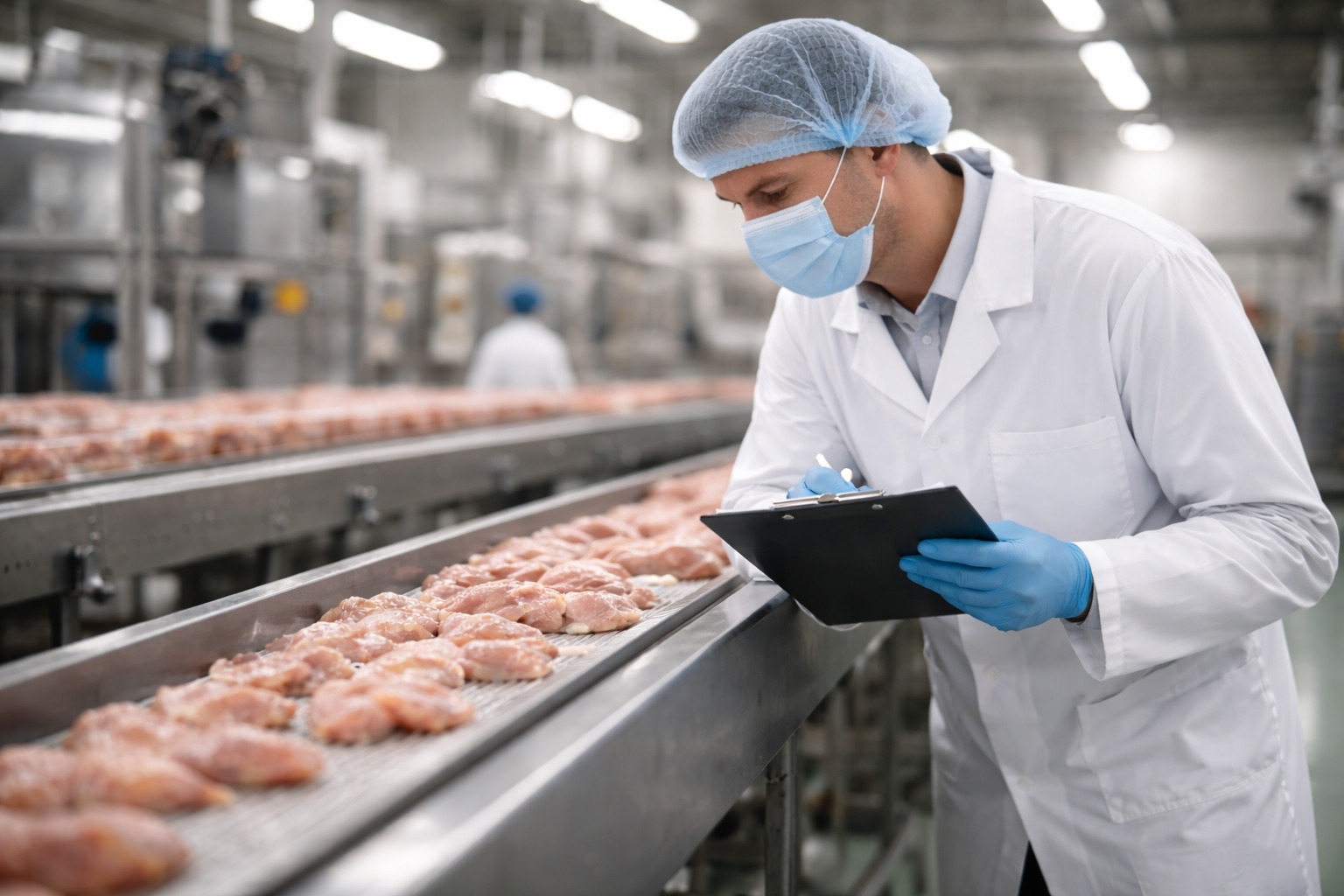
Pilgrim’s Europe workers have begun continuous strike action at Enniskillen. The escalation follows three weeks of stoppages as the manufacturer and Unite remain divided over pay and paid breaks.
-
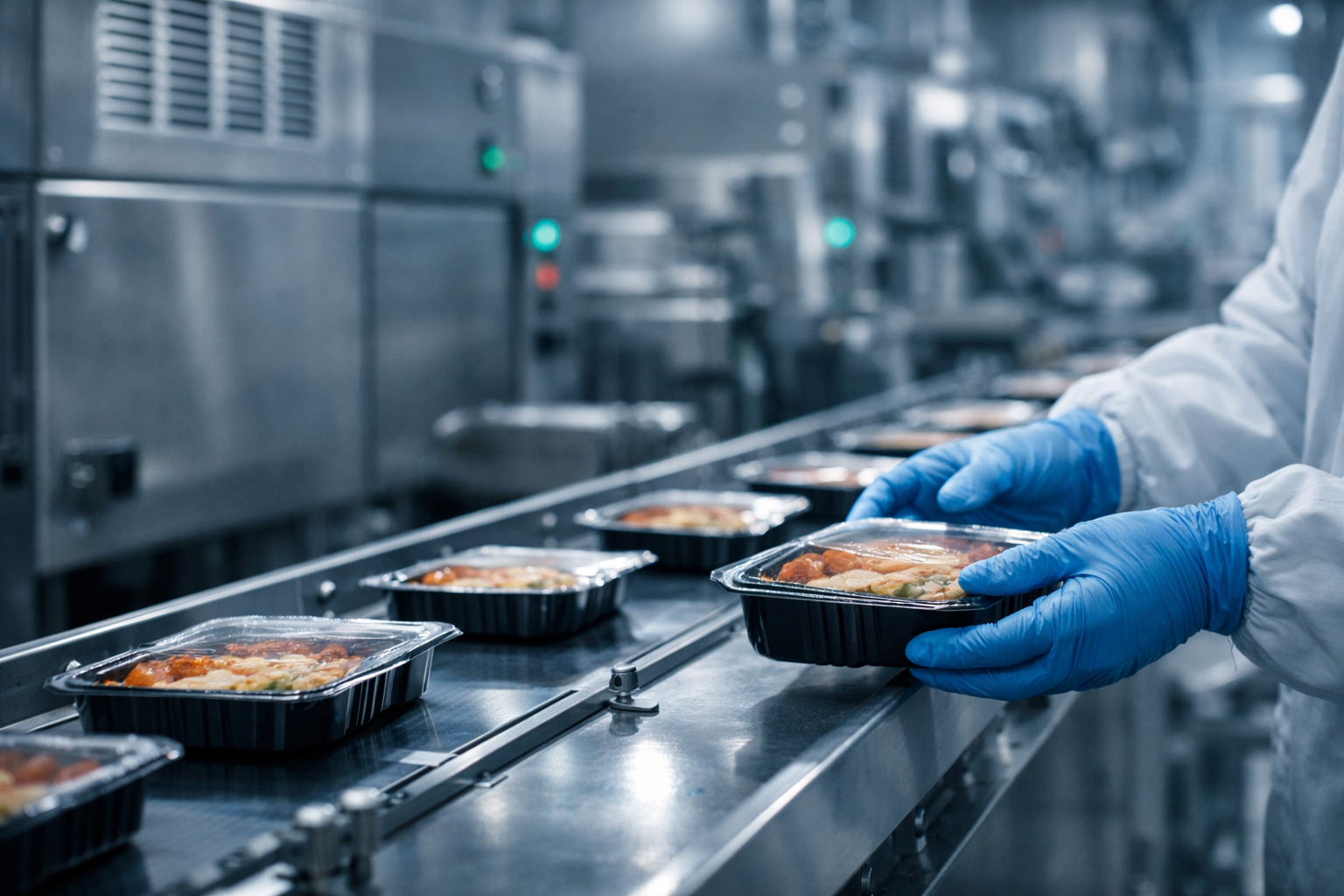
Tirlán completed its SAP separation without interrupting dairy production operations. The nine-month programme migrated core enterprise systems and analysed more than 30 billion records while maintaining an eleven-site manufacturing network.
-

Grote is acquiring Turatti to broaden European food processing capability. The transaction adds Italian fresh-produce engineering, complete lines, automation, and service capacity to an expanding international equipment group.
-
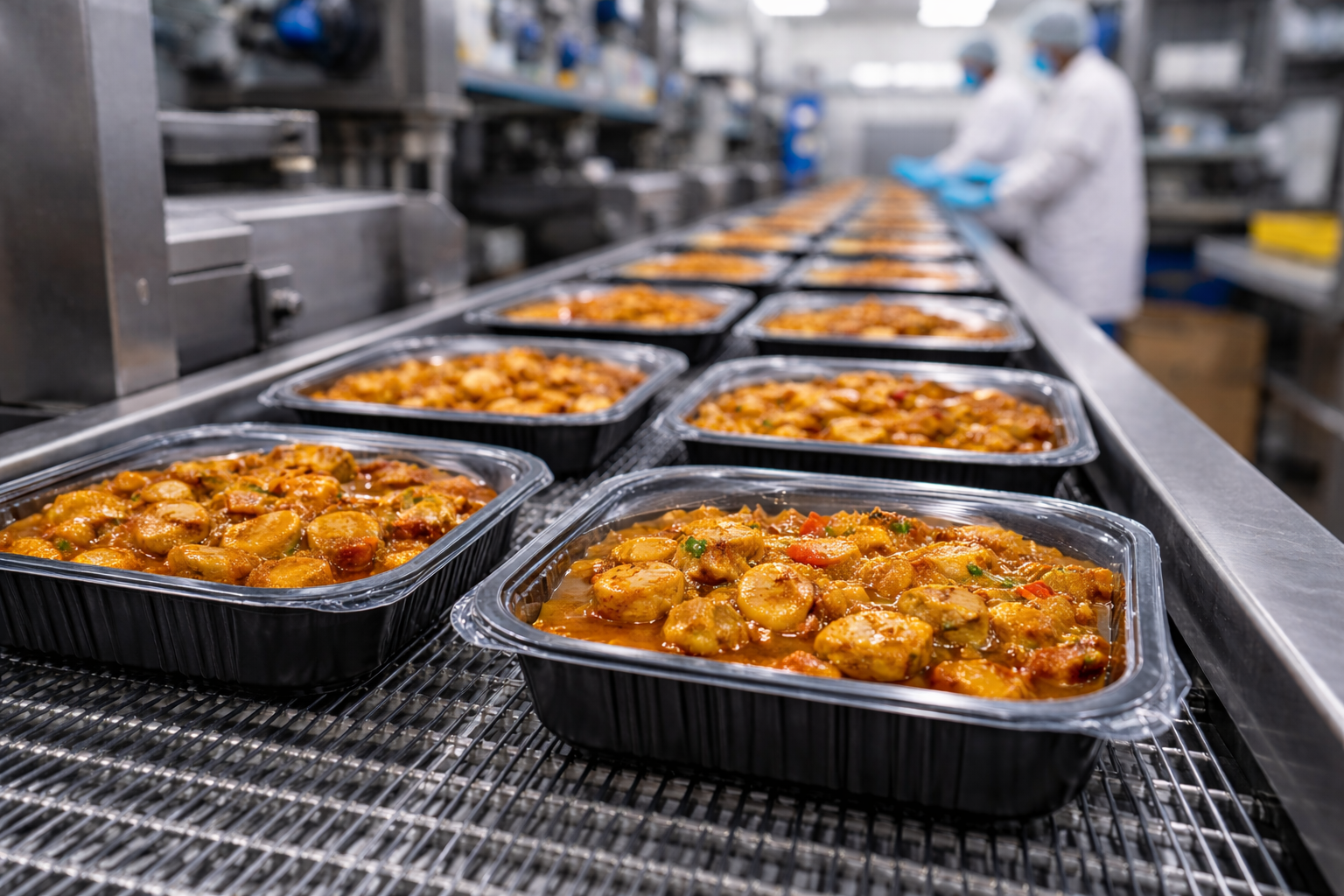
Atria has secured €41 million for its Nurmo factory modernisation. The ten-year NIB financing supports an €82.4 million production and energy programme intended to transform convenience-food manufacturing at the Finnish site.
-
Purina has opened its most advanced US pet-food manufacturing facility. The $550 million Ohio plant combines automated storage, robotics, digital manufacturing, and advanced food-safety systems across 1.3 million square feet.
-
Chobani plans major dairy manufacturing investment at its Pennsylvania campus. The $1.2bn five-year programme could add up to ten production lines, more than 900 jobs, and demand for over three billion pounds of local milk annually.
-
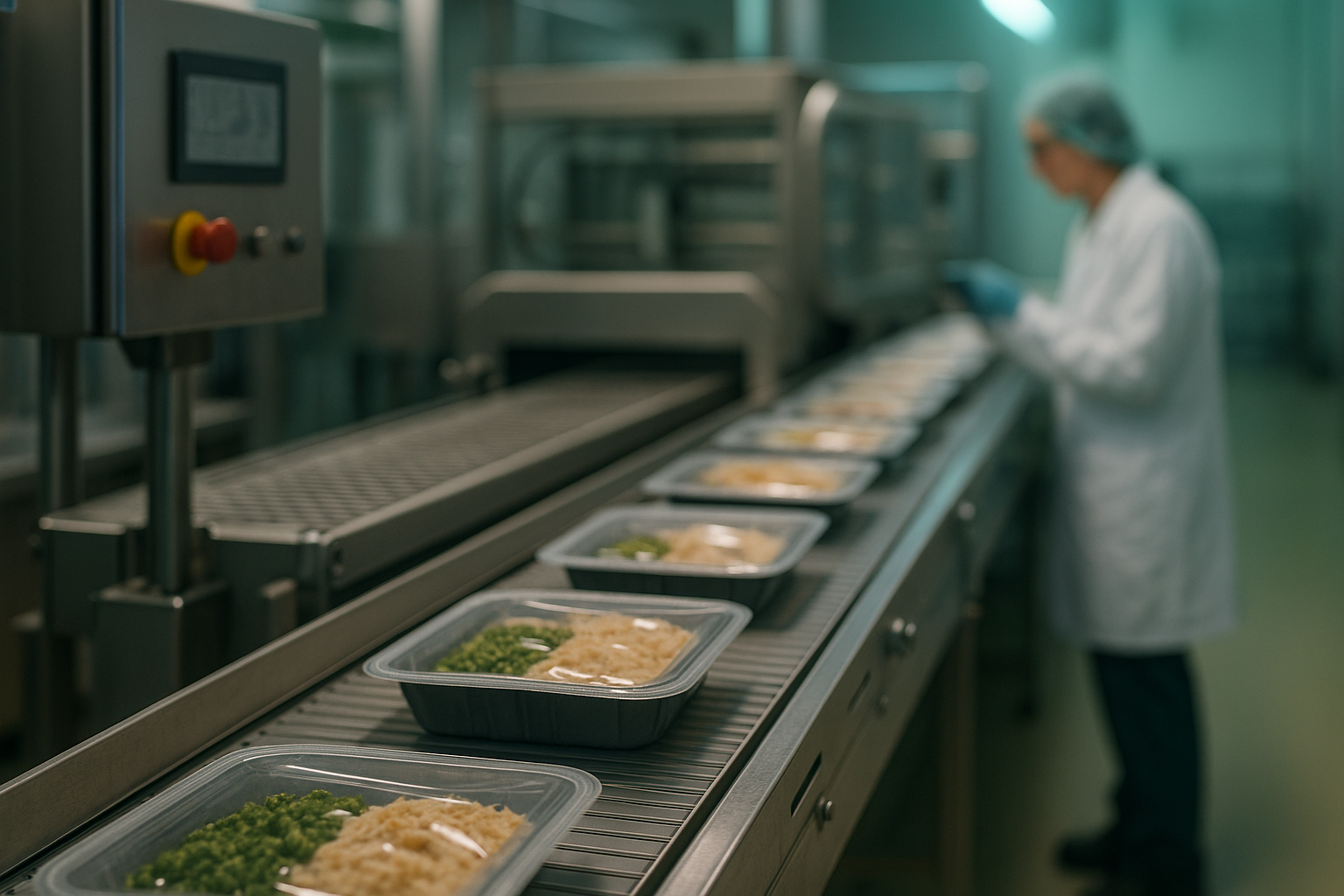
Germany has updated its national method for measuring packaging recyclability. The 2026 standard quantifies recoverable material by weight and gives pack developers a practical benchmark as PPWR implementation advances.
-
Fresh Factory completes Illinois consolidation as packaged production volumes rise. The manufacturer produced 14.6 million units in Q2 while absorbing residual ramp-up costs across its new two-site footprint.
-
Tesco has recalled a chilled salad over possible STEC contamination. Three use-by dates are affected, putting renewed attention on microbiological controls across short-shelf-life ready-to-eat production.
-
Scottish food groups oppose statutory caps on essential grocery prices. Twenty-three organisations say production, refrigeration, packaging, employment, energy, and distribution costs must be considered before controls are imposed.