
Category: Topics
-
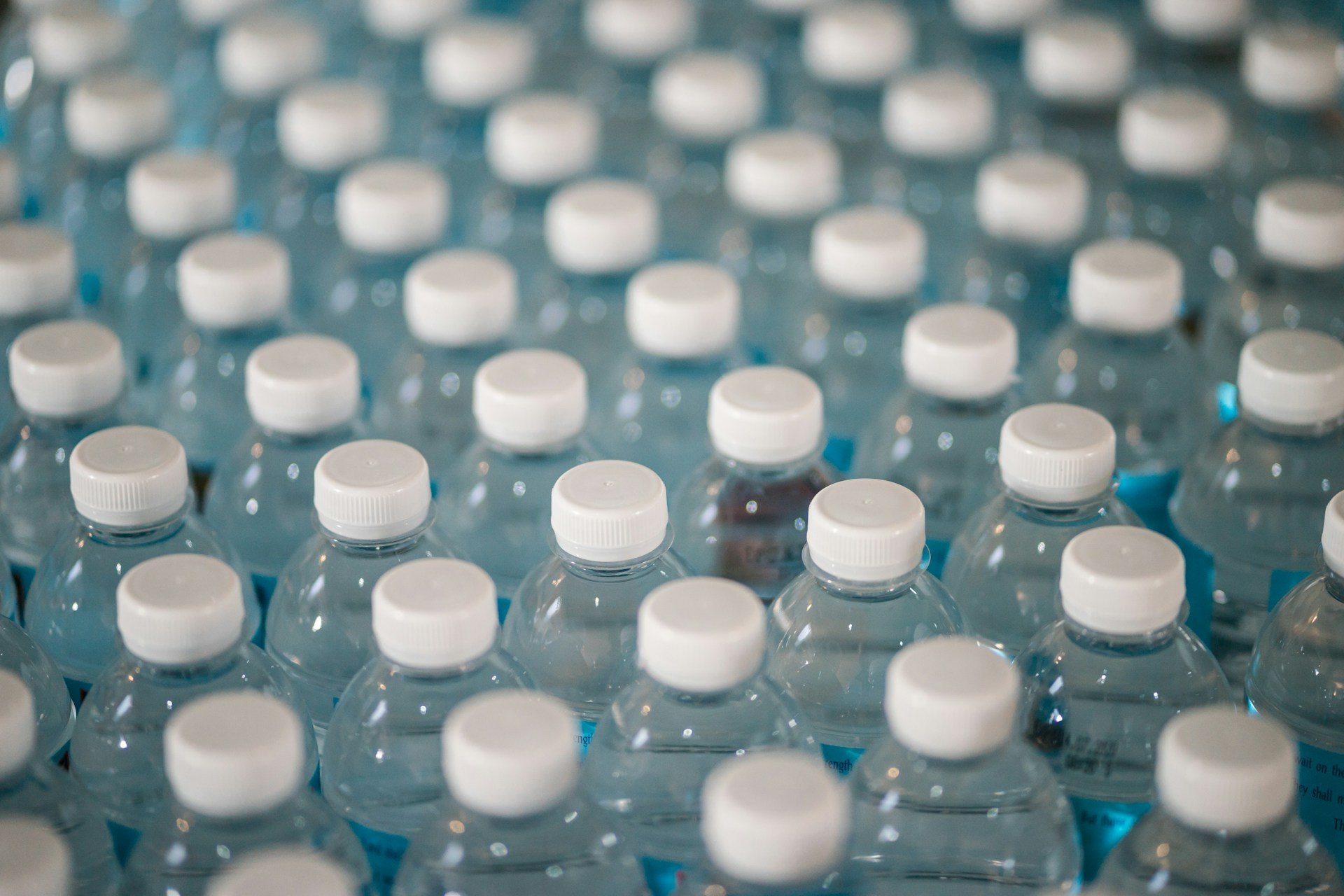
SIPA has validated lighter PET neck technology for hot-fill production. Commercial testing extends the GME 30.40 format into nitrogen hot-fill while reducing neck weight and allowing broader component standardisation.
-

CIRCOR adds clean-in-place capability to its C-9000 precision metering pump. The design combines hygienic in-place cleaning with repeatable, virtually pulse-free flow for demanding food and beverage processes.
-

Natural colour reformulation could substantially strain United States supply chains. New NCA-backed research identifies agricultural production, ingredient processing, sourcing, and validation capacity as key constraints.
-
IPL Schoeller adds recycled polypropylene to its food packaging range. SnapPack Square EVO contains 20% food-contact recycled material and is scheduled for commercial availability this autumn.
-
Bongards Creameries plans major expansion of Minnesota process cheese production. The $135 million project adds manufacturing space, automated warehousing, and 180 million pounds of annual capacity.
-
FiveStar Gourmet Foods plans a major Chicago manufacturing expansion project. The $55 million facility will combine automated production and distribution capacity for fresh ready-to-eat foods from early 2027.
-
FDA proposes mandatory GRAS notifications for substances added to food. The rule would replace voluntary disclosure for many GRAS conclusions and increase regulatory documentation requirements across ingredients and certain food-contact applications.
-
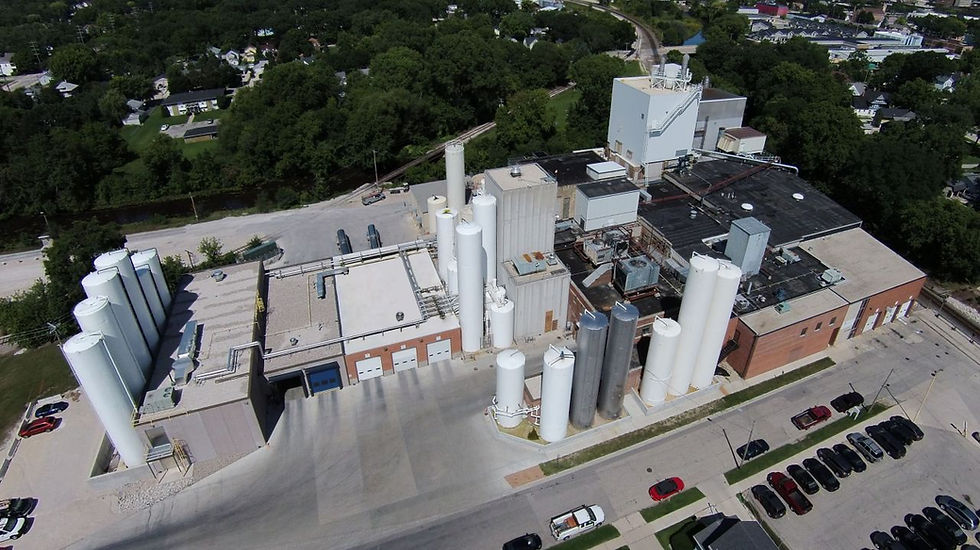
Actus Nutrition has expanded Wisconsin whey powder production capacity substantially. The modernisation adds robotics, automation, drying, liquid-handling, and carbohydrate-processing upgrades across the Fond du Lac facility.
-
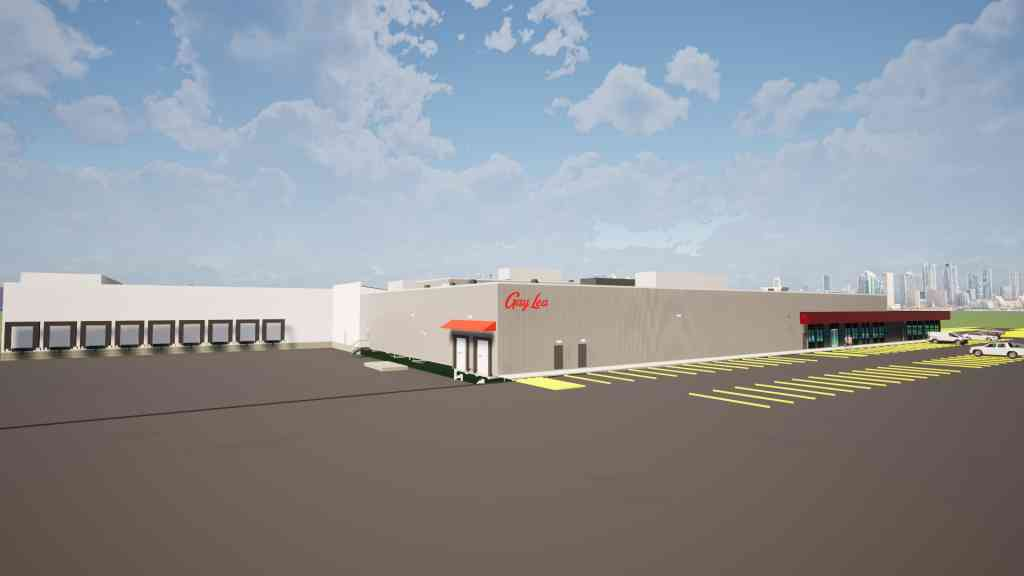
Gay Lea Foods plans major expansion at its Toronto dairy. The C$200 million-plus project will add cottage cheese capacity, modern processing technology, and up to 75 jobs by 2028.
-
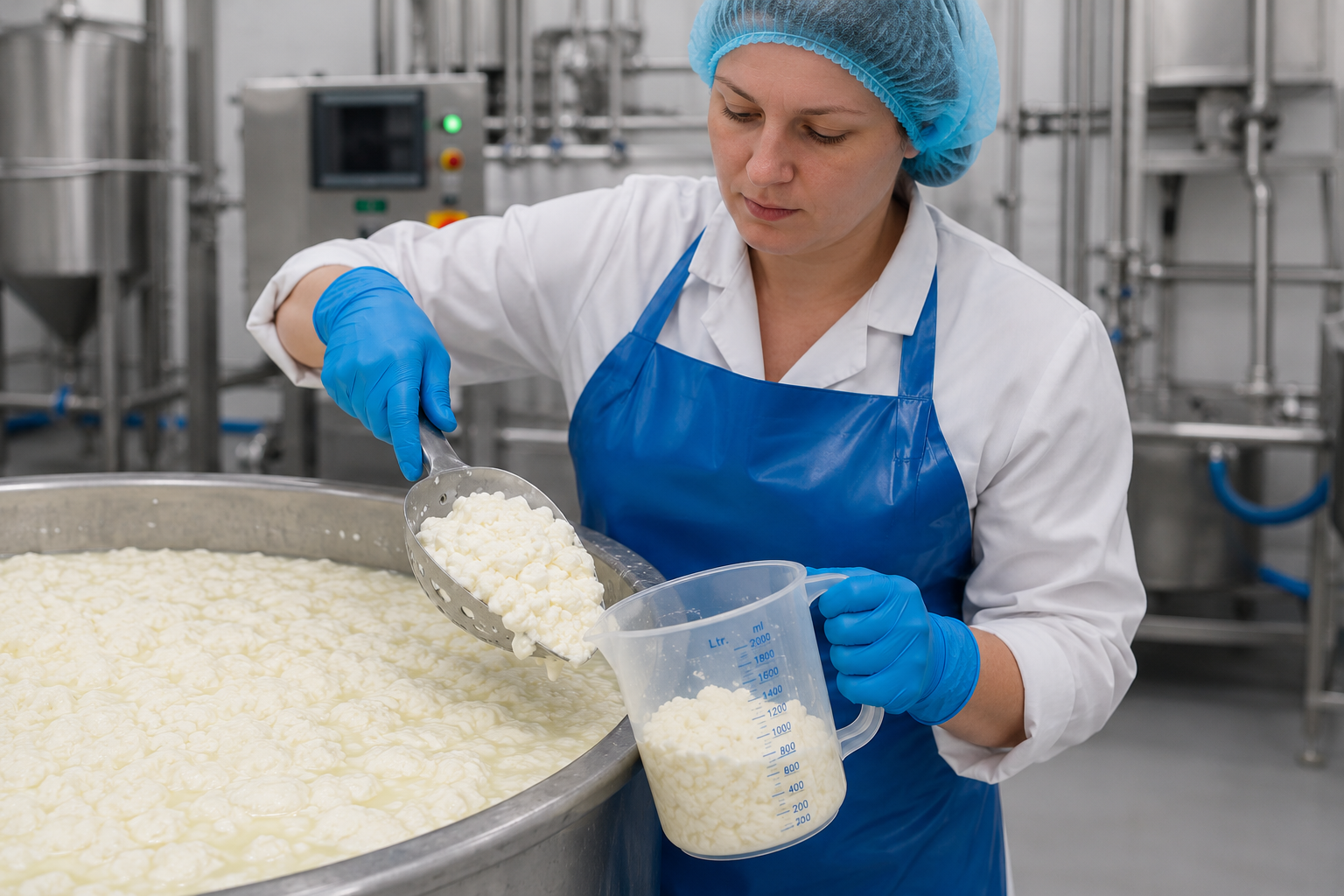
Milk House is modernising Serbian dairy production with efficient equipment. New pasteurisation, sterilisation, and solar investments are intended to reduce utility use while supporting higher productivity.