
Category: Markets
-
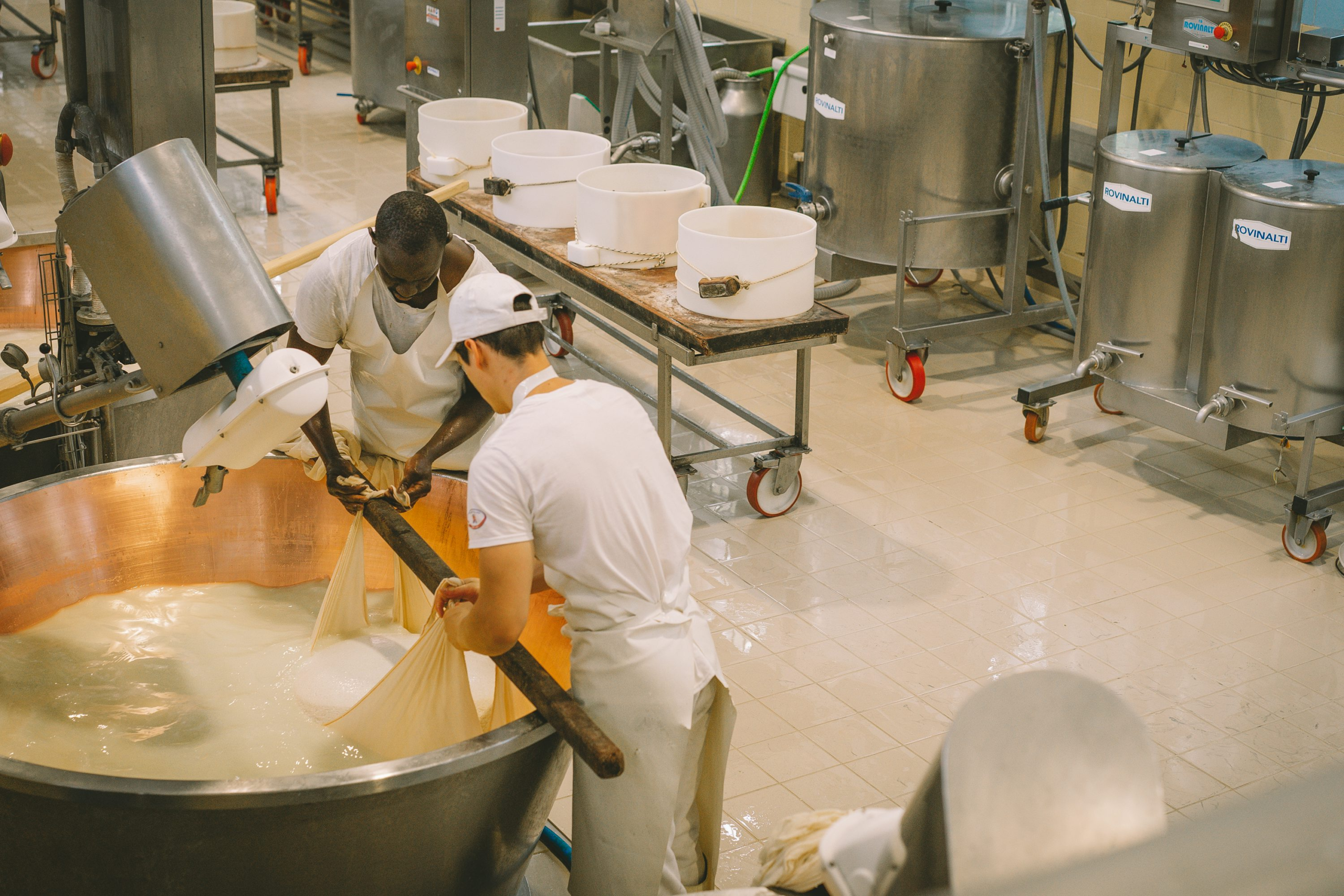
Global cheese demand is projected to expand strongly through 2034. The forecast keeps Europe dominant while mozzarella, natural cheese, and plant-based formats create different manufacturing requirements.
-
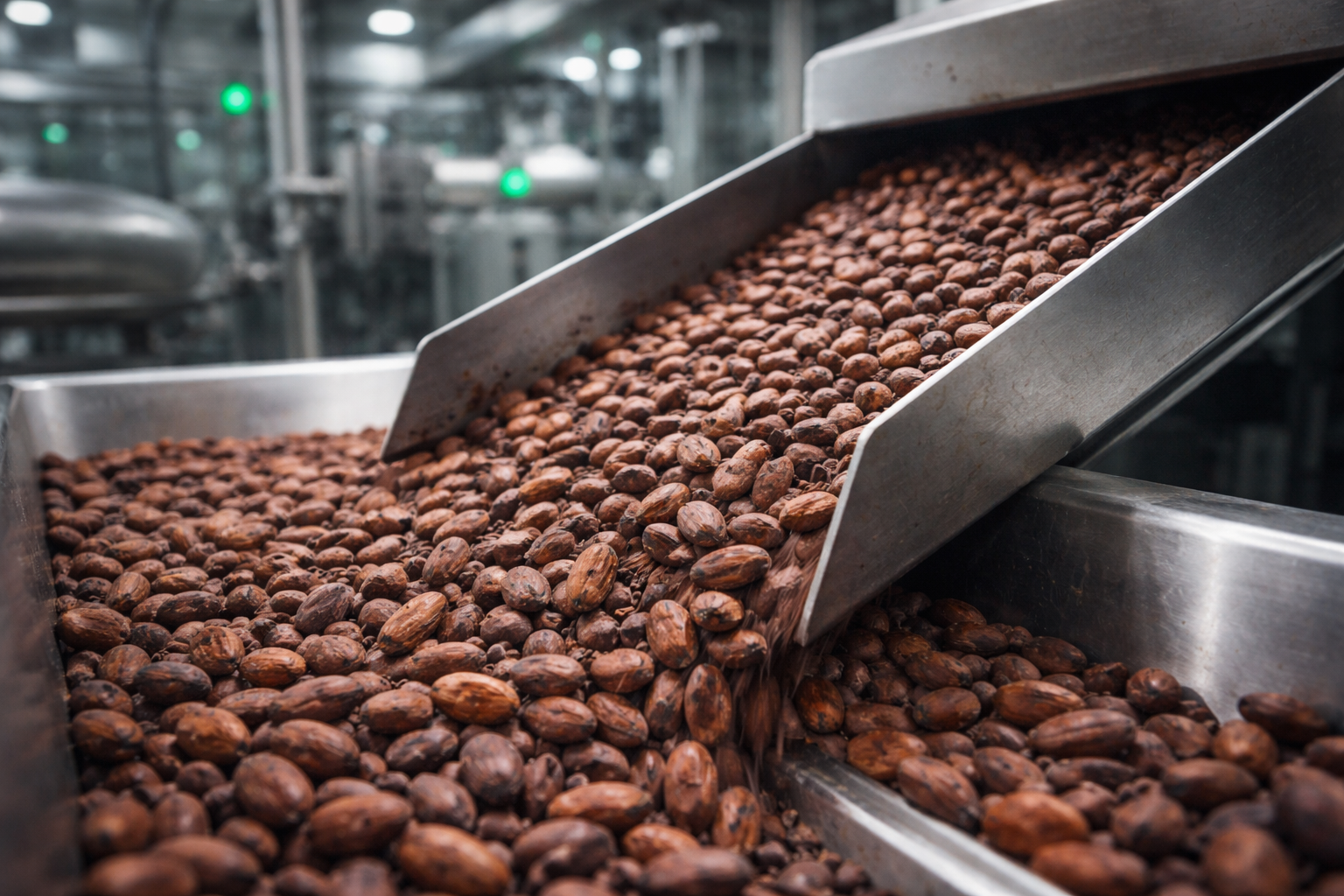
Reading researchers have produced chocolate using cocoa grown entirely locally. The university trial followed beans through fermentation, drying, roasting, grinding, formulation, and final chocolate production using its Berkshire cocoa collection.
-
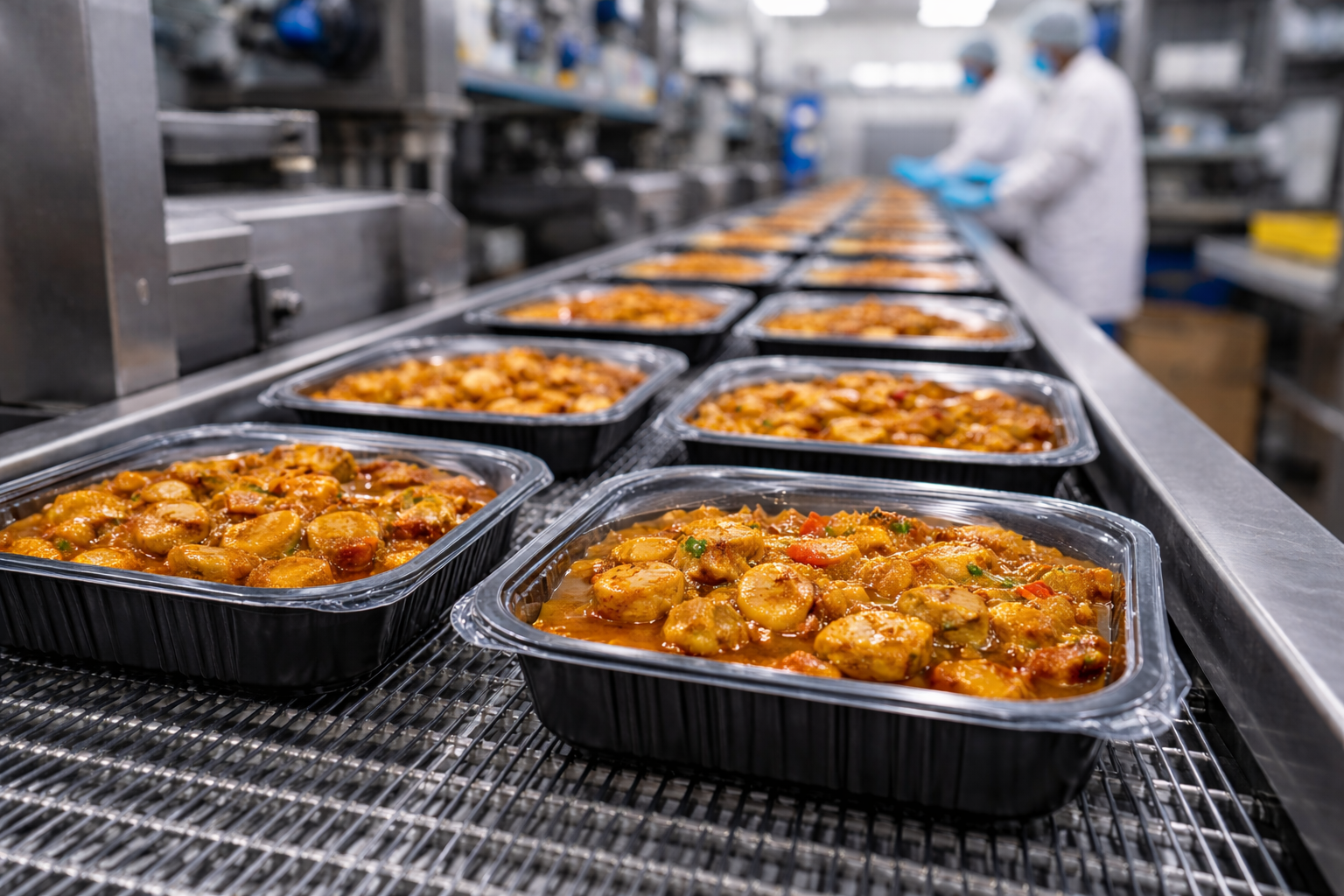
European food deal volumes rose sharply during 2026’s first half. MCF recorded 418 transactions as financial sponsors increased new platform investments and ingredients remained an active acquisition market.
-

SIPA has validated lighter PET neck technology for hot-fill production. Commercial testing extends the GME 30.40 format into nitrogen hot-fill while reducing neck weight and allowing broader component standardisation.
-

Natural colour reformulation could substantially strain United States supply chains. New NCA-backed research identifies agricultural production, ingredient processing, sourcing, and validation capacity as key constraints.
-
Bongards Creameries plans major expansion of Minnesota process cheese production. The $135 million project adds manufacturing space, automated warehousing, and 180 million pounds of annual capacity.
-
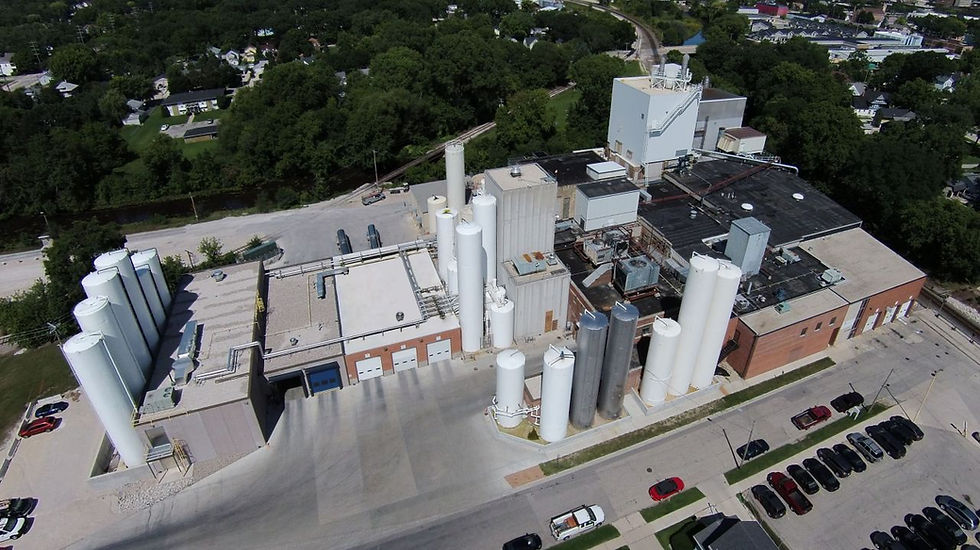
Actus Nutrition has expanded Wisconsin whey powder production capacity substantially. The modernisation adds robotics, automation, drying, liquid-handling, and carbohydrate-processing upgrades across the Fond du Lac facility.
-

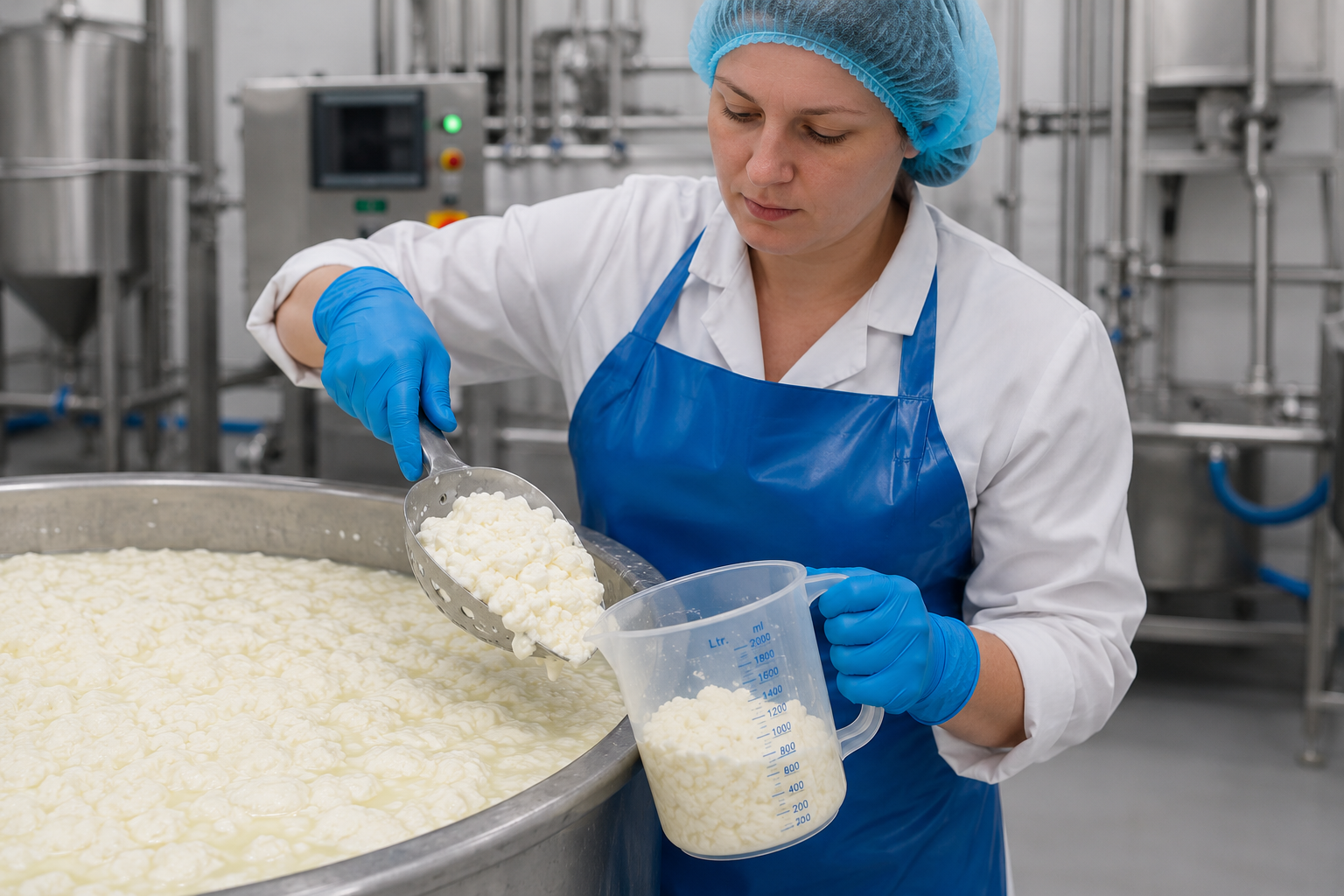
Gay Lea Foods plans major expansion at its Toronto dairy. The C$200 million-plus project will add cottage cheese capacity, modern processing technology, and up to 75 jobs by 2028.
-
UK brewery closures slowed sharply during 2026’s first six months. SIBA still reports weak profitability, high production costs, and restricted access to pubs across much of the independent sector.
-
Milk House is modernising Serbian dairy production with efficient equipment. New pasteurisation, sterilisation, and solar investments are intended to reduce utility use while supporting higher productivity.