
Category: News
-
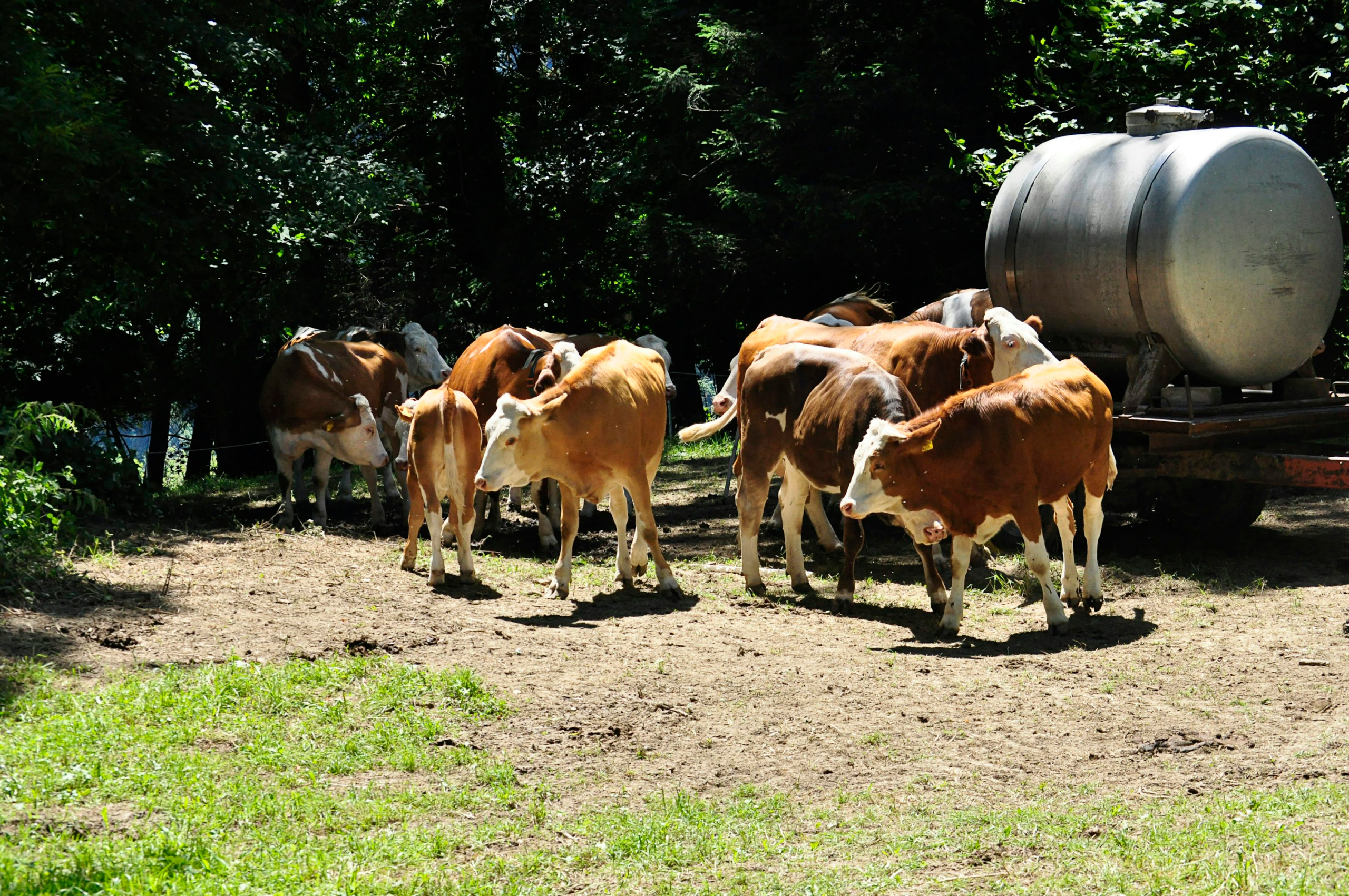
Arla reported stronger first-half earnings as protein demand accelerated globally. Ingredients revenue climbed 19.3%, while the completed DMK merger and new processing investment substantially increased the cooperative’s manufacturing and milk base.
-
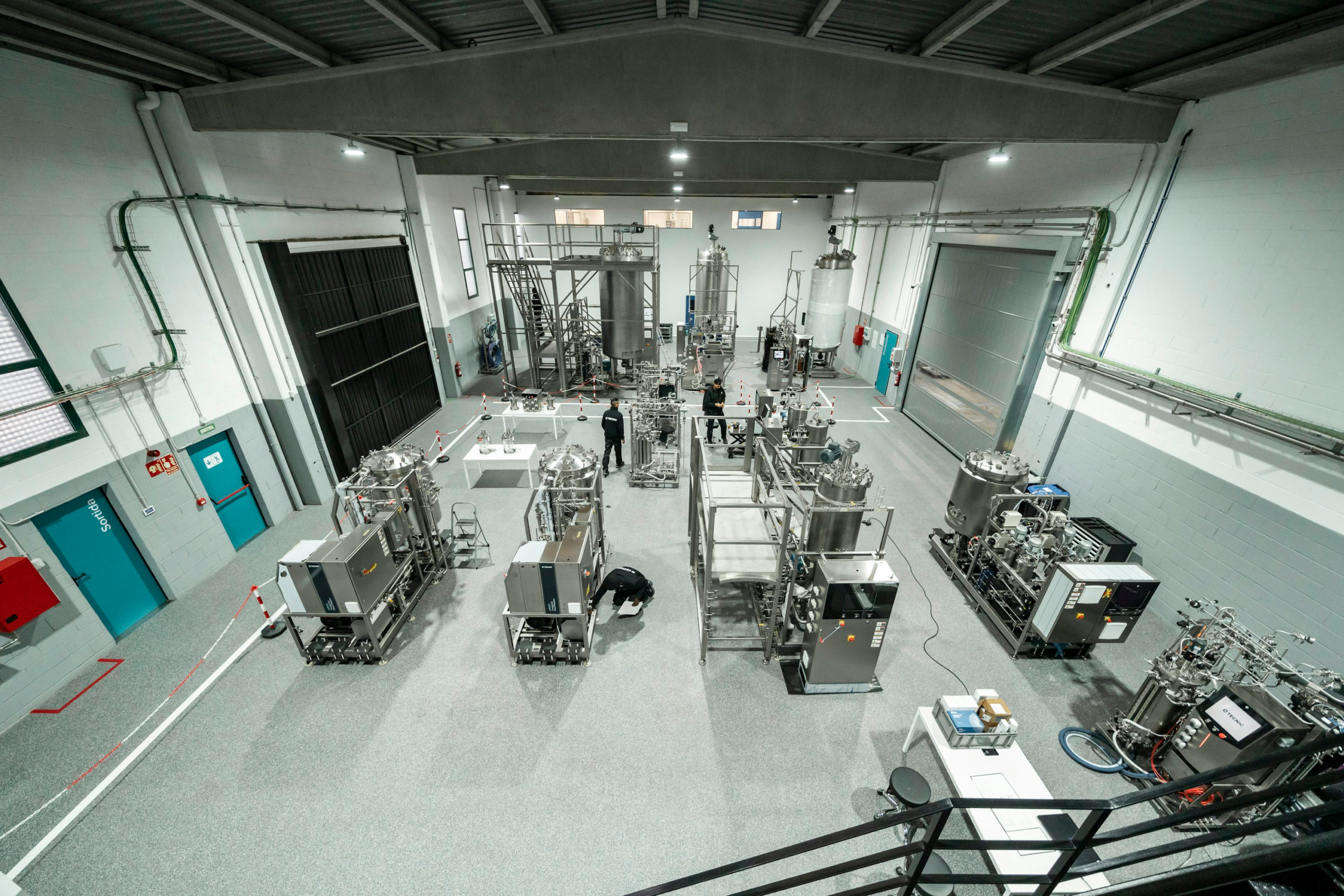
European alternative-protein companies raised €236 million during 2026’s first half. Fermentation attracted most of the capital as investors concentrated money into fewer deals and scale-up financing became increasingly dependent on blended funding.
-
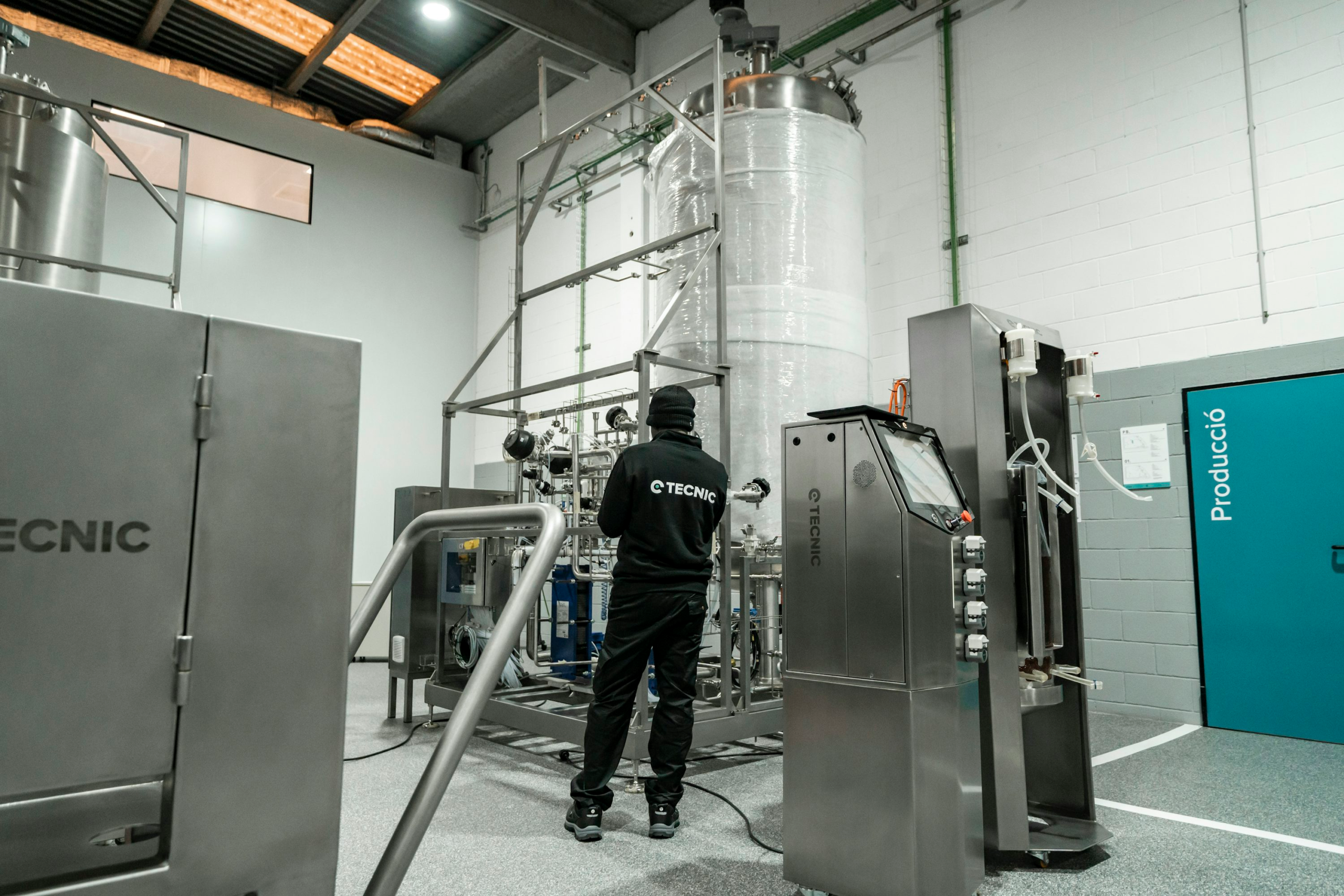
NEOXY has passed 1,000 tonnes of cumulative bio-based acid production. AFYREN is now trying to sustain higher utilisation after its July restart while targeting another doubling of plant revenue during the second half.
-

General Mills has completed certified-colour removal across all US cereals. The programme moves major brands onto alternative colour systems while the remaining retail portfolio follows by the end of 2027.
-
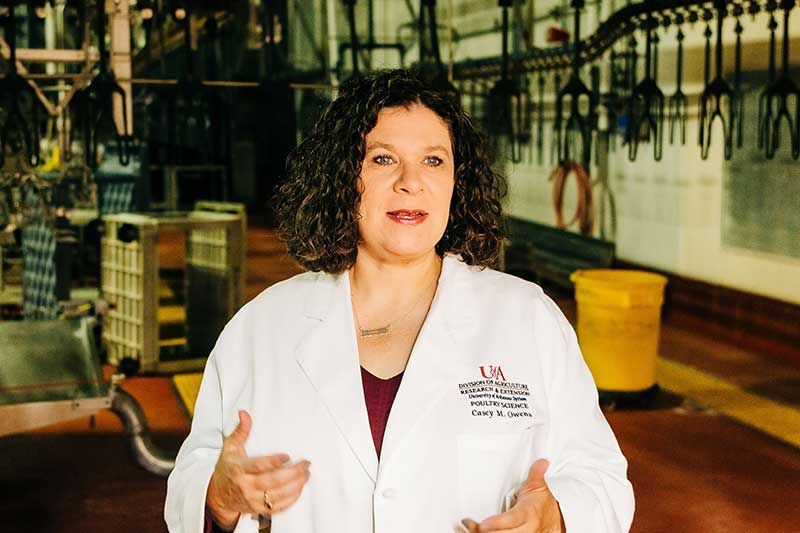
Researchers are testing electron-beam treatment for safer poultry processing operations. New work examines whether pathogen reduction can be achieved without unacceptable changes to meat flavour, colour, and other quality characteristics.
-
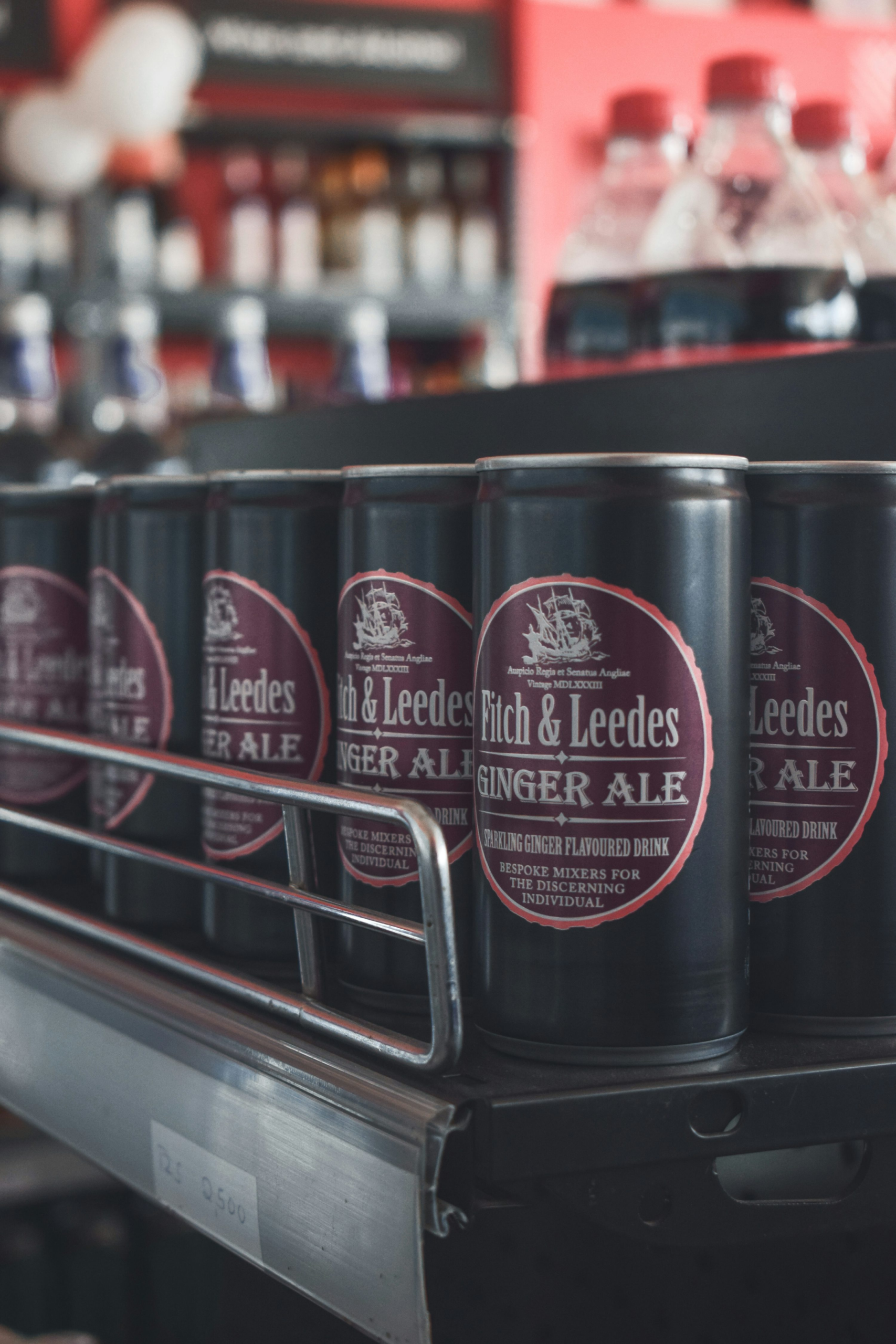
LuxTronic has launched FinalCheck for end-of-line beverage packaging inspection systems. The platform monitors cans through palletising, records individual quality events, and helps manufacturers contain defects before finished loads leave production.
-
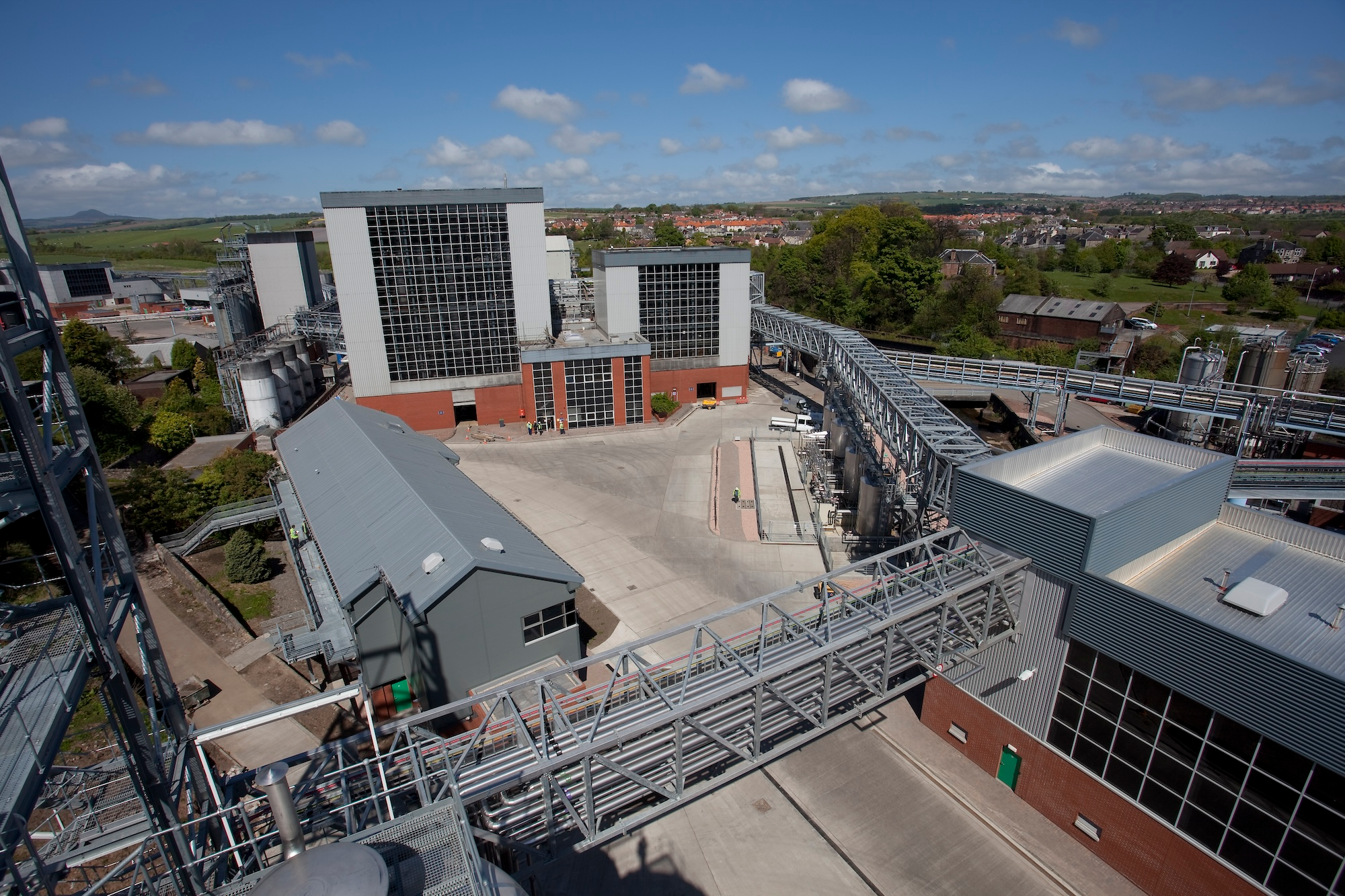
Diageo workers at Cameronbridge are voting on potential strike action. The dispute centres on proposed job cuts as the drinks group maintains reduced production volumes at the major Scottish grain distillery.
-
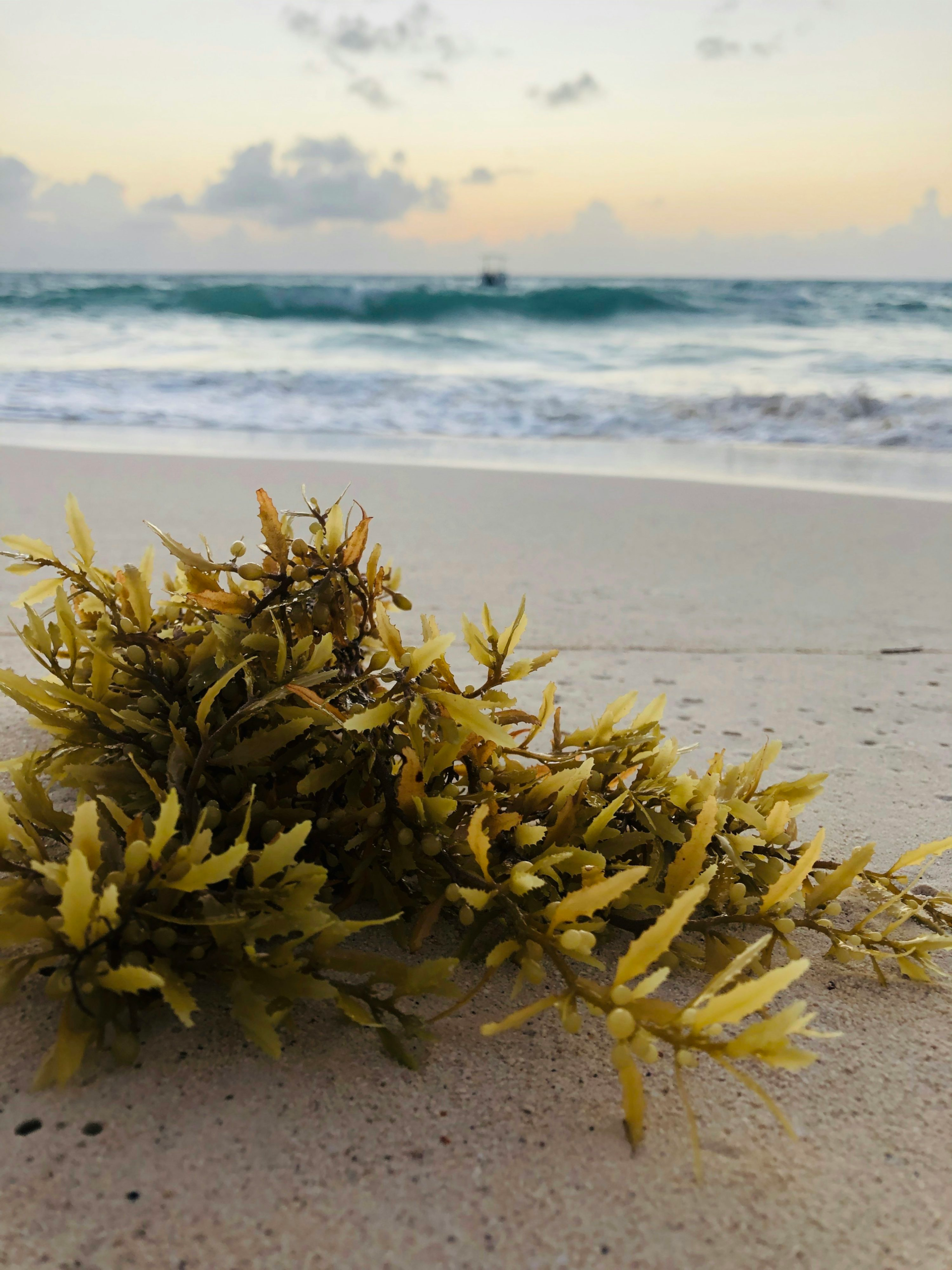
Kelpi has cleared US food-contact approval for seaweed-based packaging coatings. The decision removes a regulatory barrier to commercial use on paper and board packs across chilled, frozen, and ambient food applications.
-
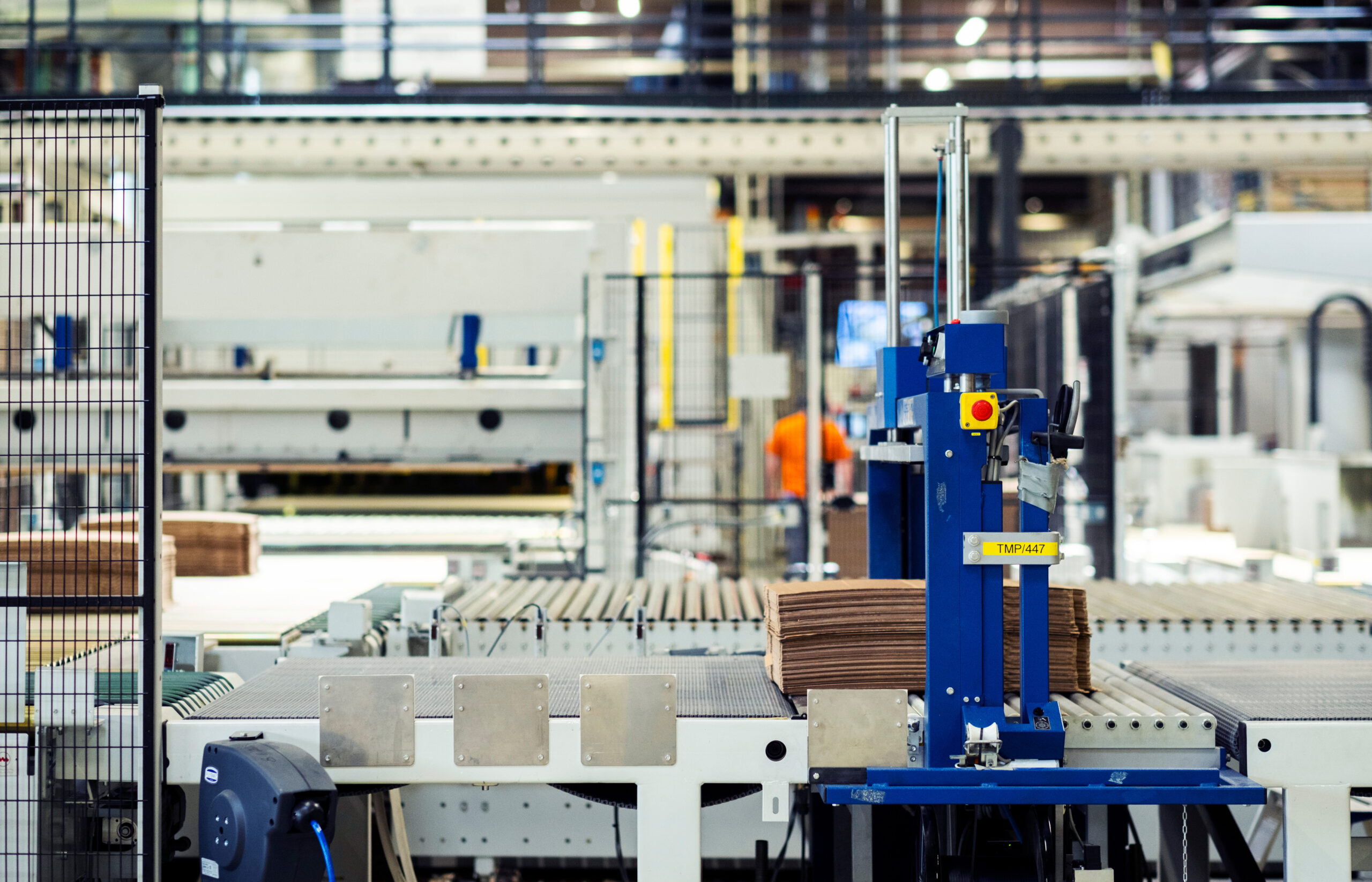
DS Smith has certified its Tampere plant for food packaging. The BRCGS approval follows a two-year programme covering the production environment, quality assurance, and staff training.
-
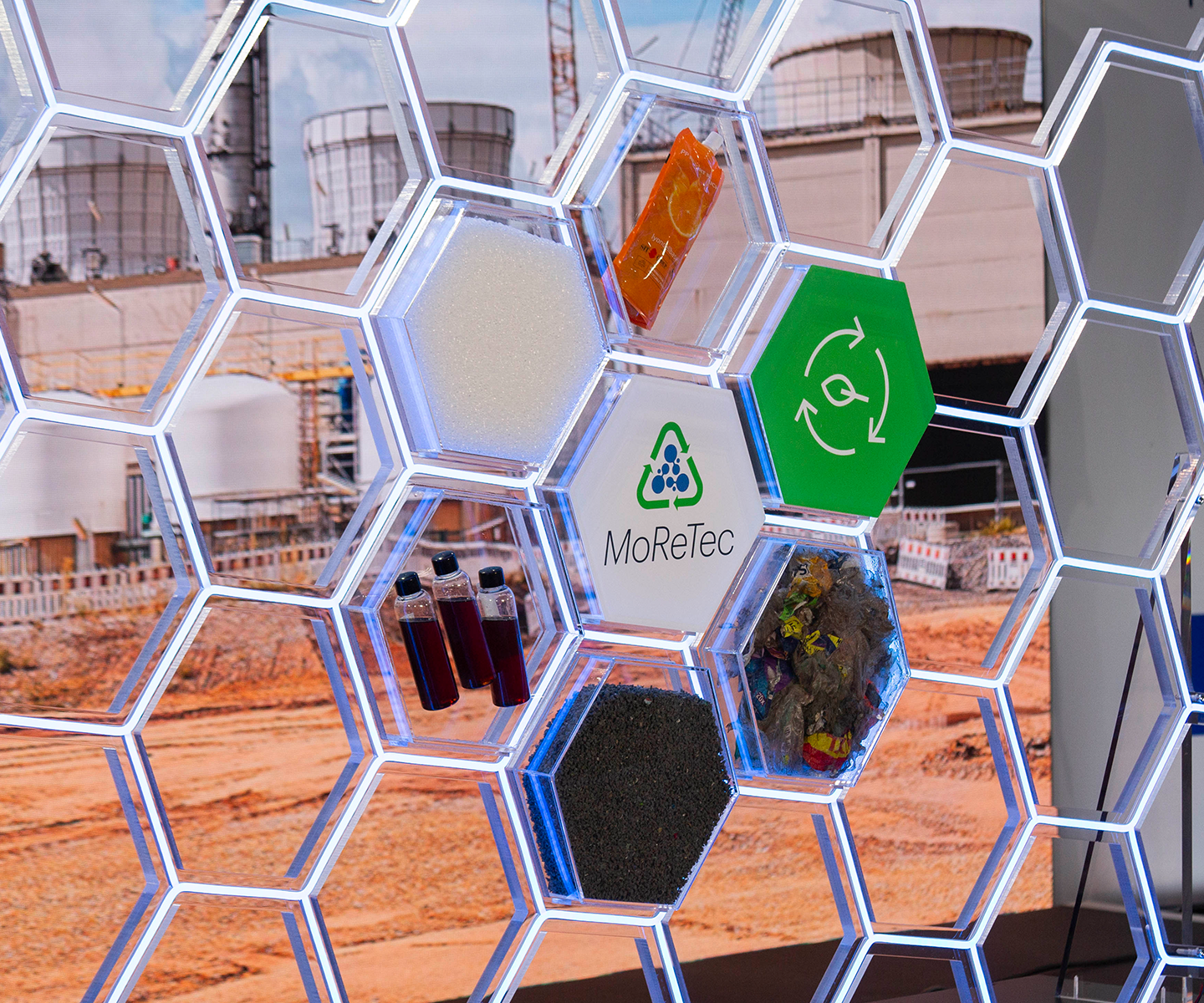
LyondellBasell has installed two reactors at its Wesseling recycling plant. The MoReTec units will convert difficult plastic waste into feedstock for new polymers, including material suitable for food packaging.