
Category: Technology
-
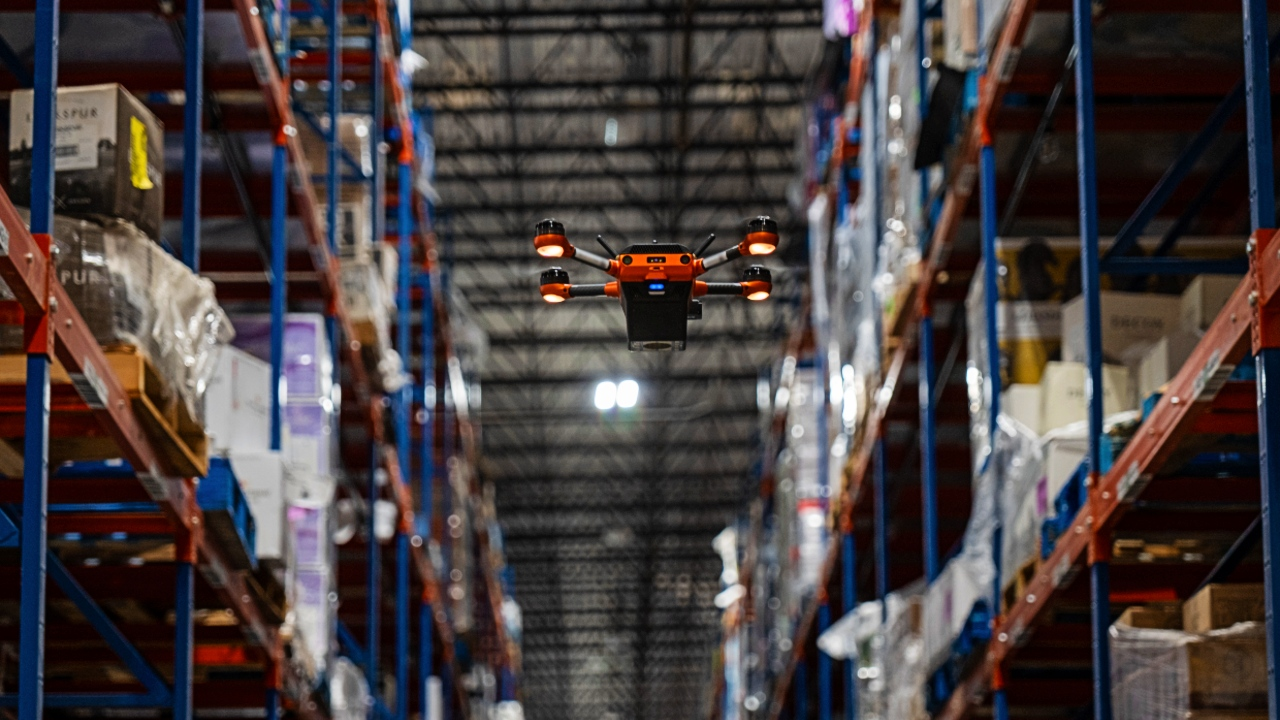
Southern Glazer’s is scaling autonomous drone counts across beverage warehouses. A wider Corvus Robotics rollout has lifted inventory validation frequency, improved throughput, and shifted labour away from manual cycle counts inside high-volume distribution operations.
-
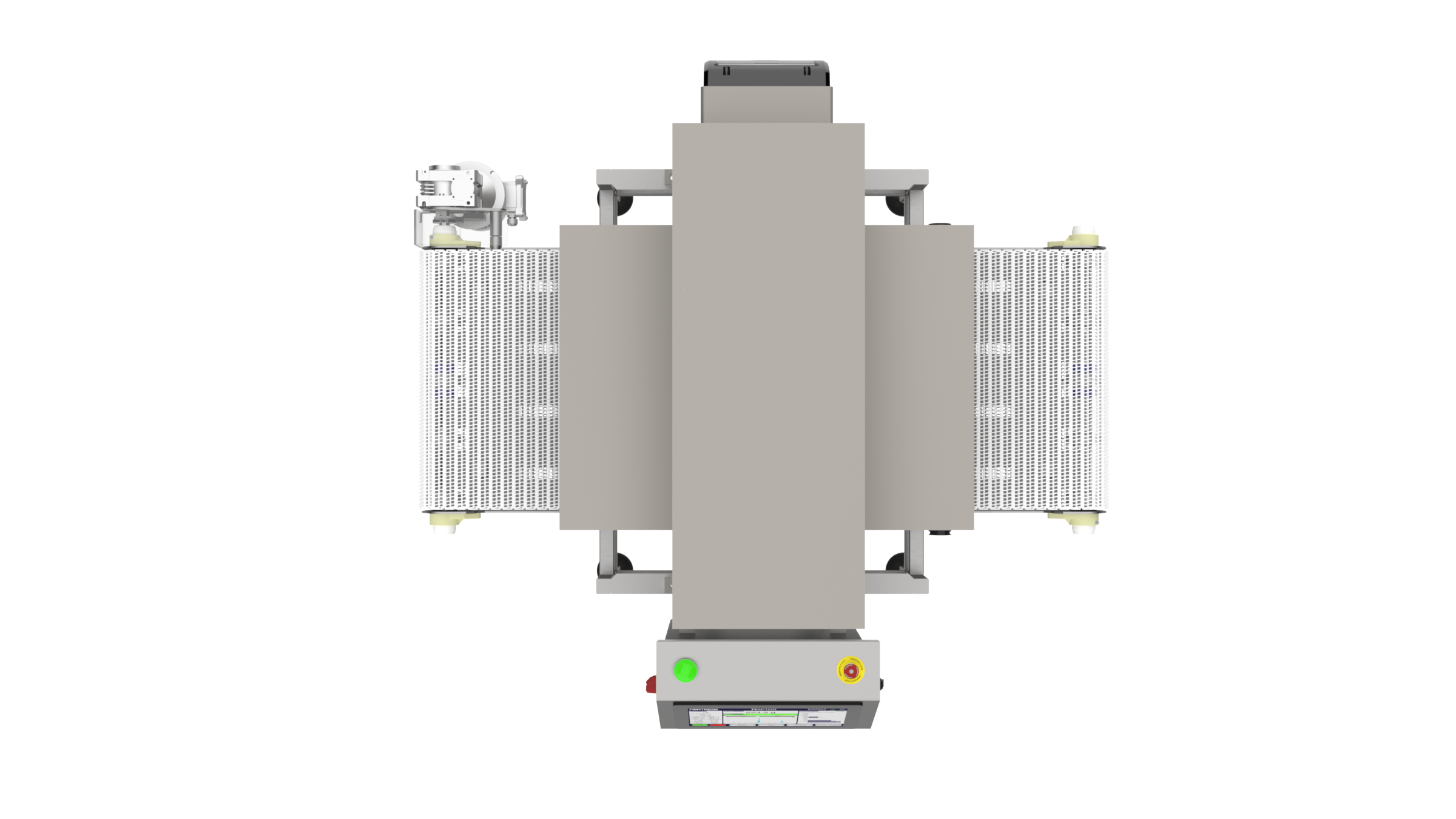
Large-format food lines can conceal costly waste, compliance, and recalls. In this feature, Phil Brown, Sales Director at Fortress Technology Europe, explains how integrated metal detection and checkweighing can reduce giveaway, improve traceability, and protect margins in high-volume food processing.
-
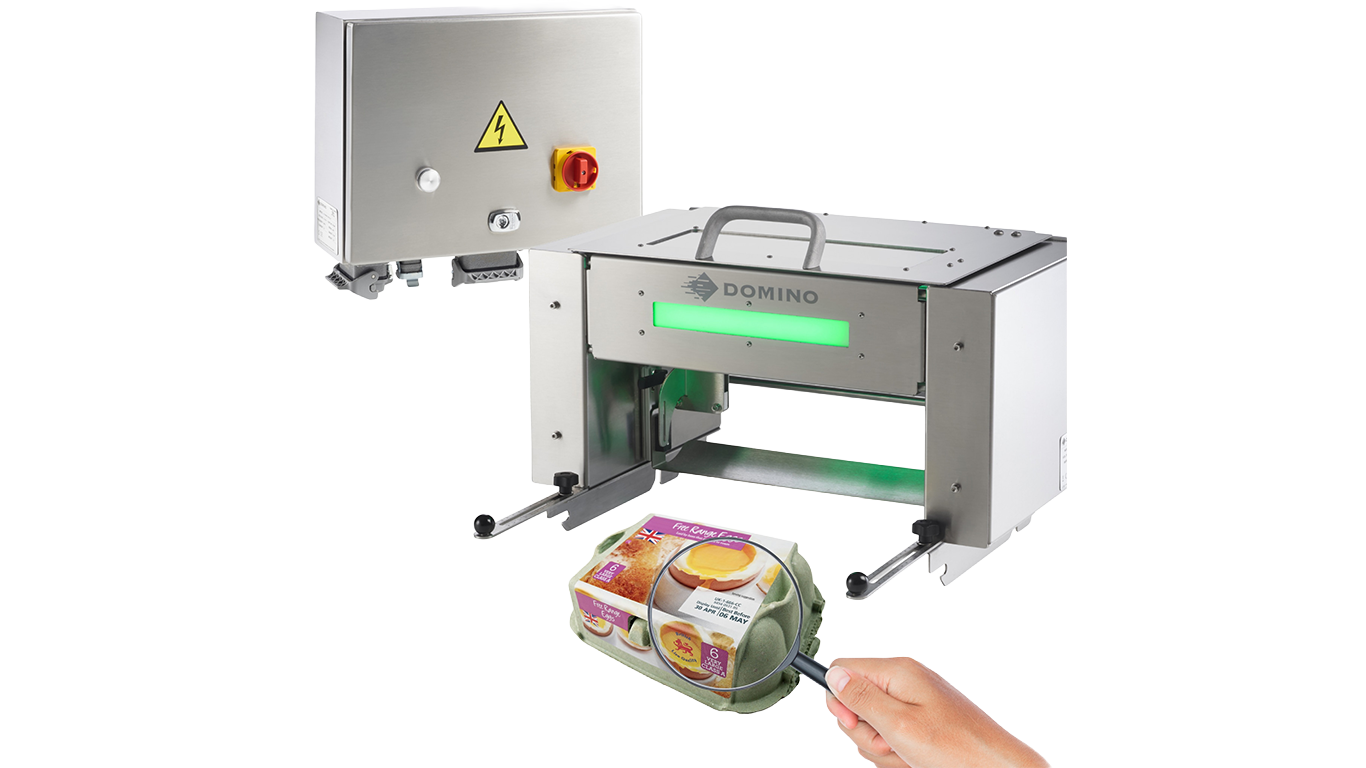
Domino has launched dedicated coding equipment for high-speed egg lines. Its new Egg Pack Printing Traverser combines TIJ printheads with a traverser platform built for multi-lane graders, aiming to raise print consistency, traceability, and throughput on packed eggs.
-
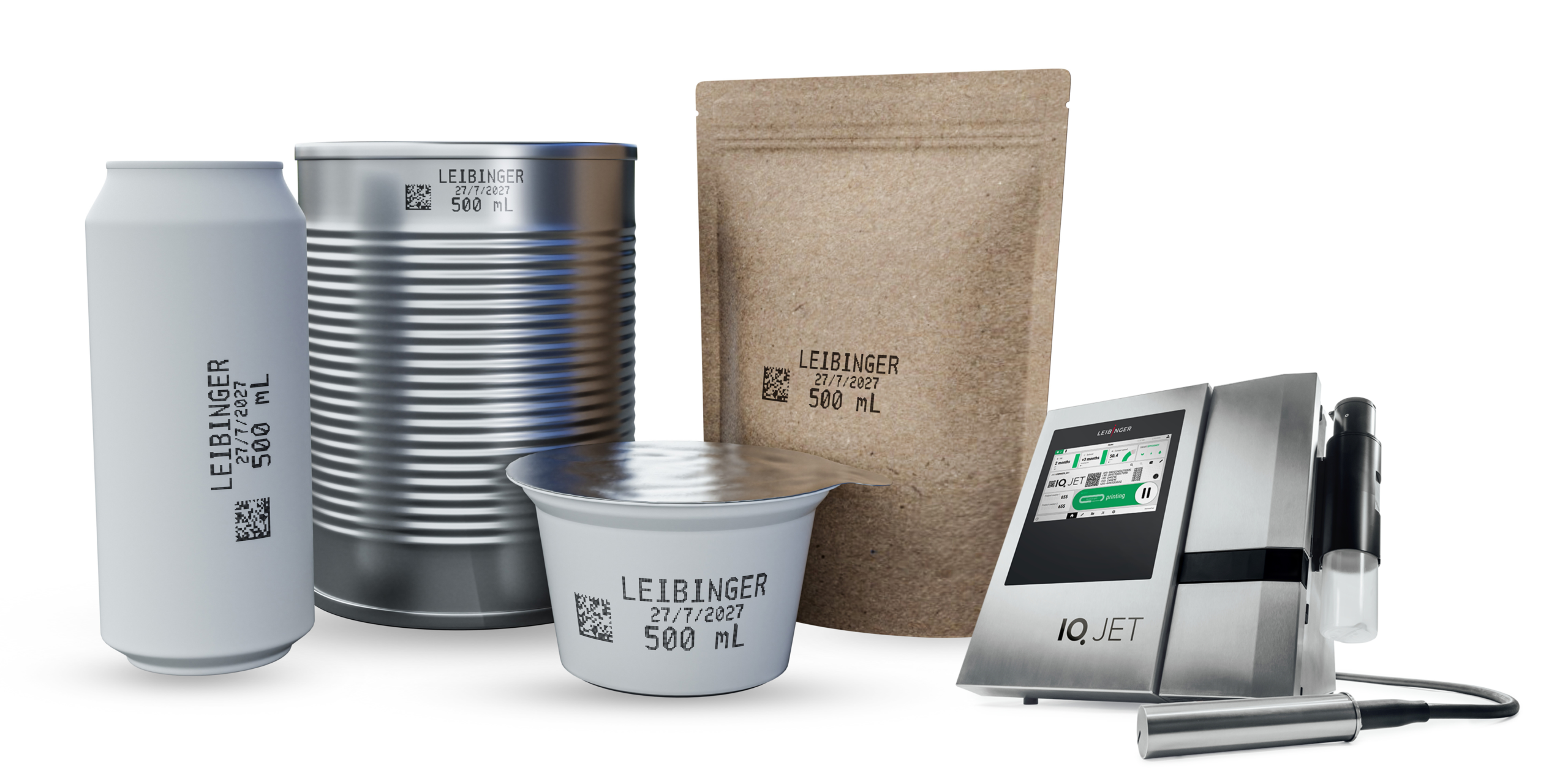
LEIBINGER is sharpening coding strategy ahead of interpack’s 2026 return. The company will use the Düsseldorf event to show how continuous inkjet hardware, ink development, and fleet software are being aligned around higher uptime, lower maintenance, and the move toward GS1 2D codes.
-
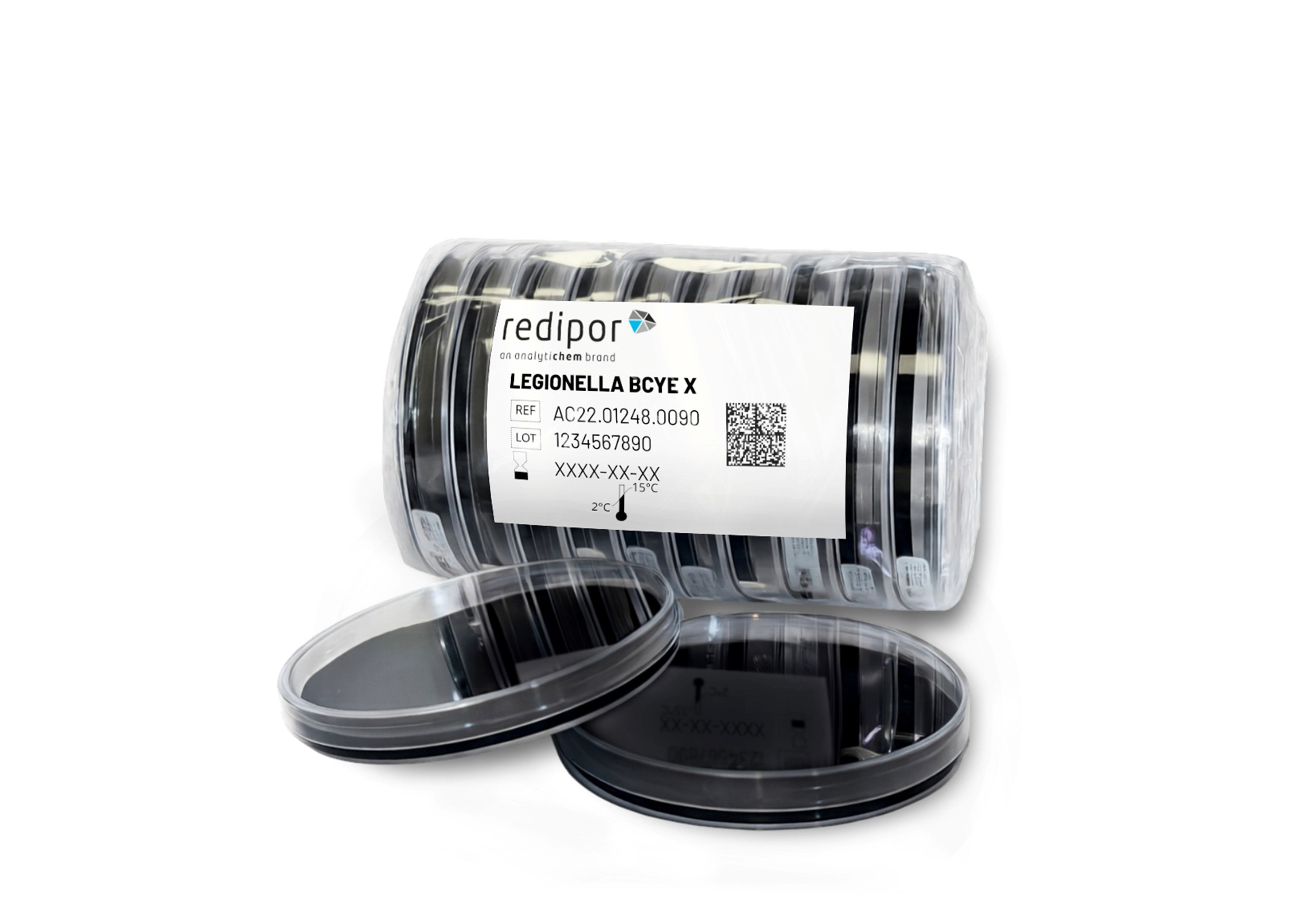
Legionella compliance still depends on dependable culture workflows in practice. AnalytiChem has launched ready-to-use Redipor Legionella agar plates covering non-selective recovery, selective isolation, and cysteine-dependency confirmation for ISO 11731-aligned water testing.
-
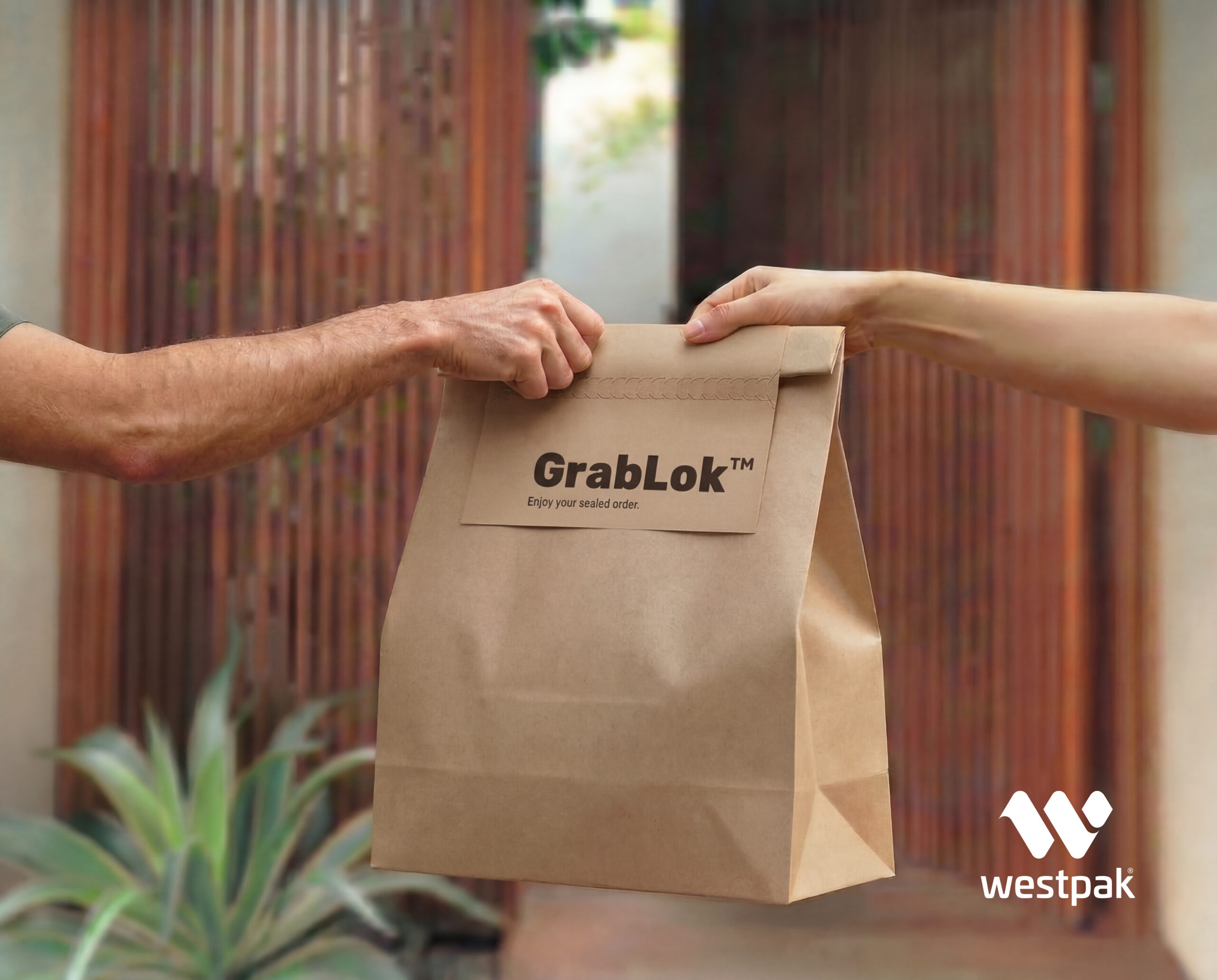
Takeaway packaging security is moving from workaround to engineered format. Westpak Group’s GrabLok linerless tamper-evident bag closure won the Innovation Gallery visitor vote at Packaging Innovations & Empack 2026, with Futamura’s compostable liquid sachet placing second.
-
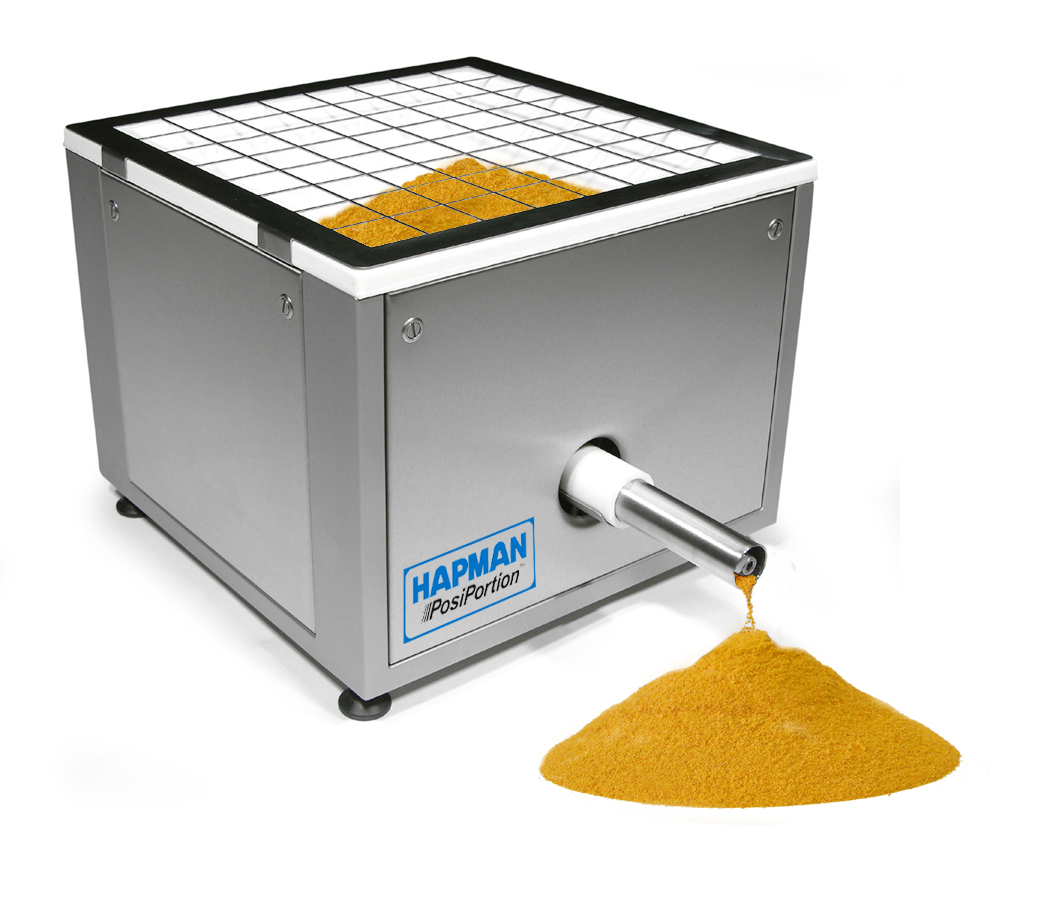
Hapman is promoting a feeder for precise ingredient dosing operations. The system is designed to improve control, reduce downtime, and support consistent handling across a wide range of bulk food materials.
-
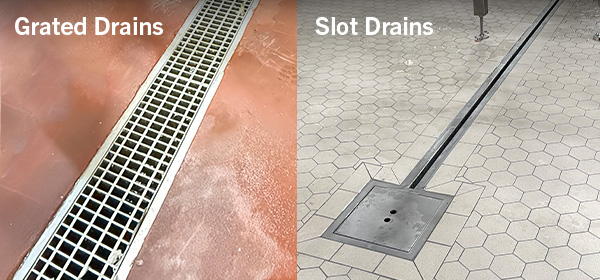
Poorly designed drains remain a persistent contamination risk in plants. This contributed feature examines sanitary drainage design in food and beverage facilities, from layout and materials to installation details that affect hygiene, maintenance, and operational resilience.
-
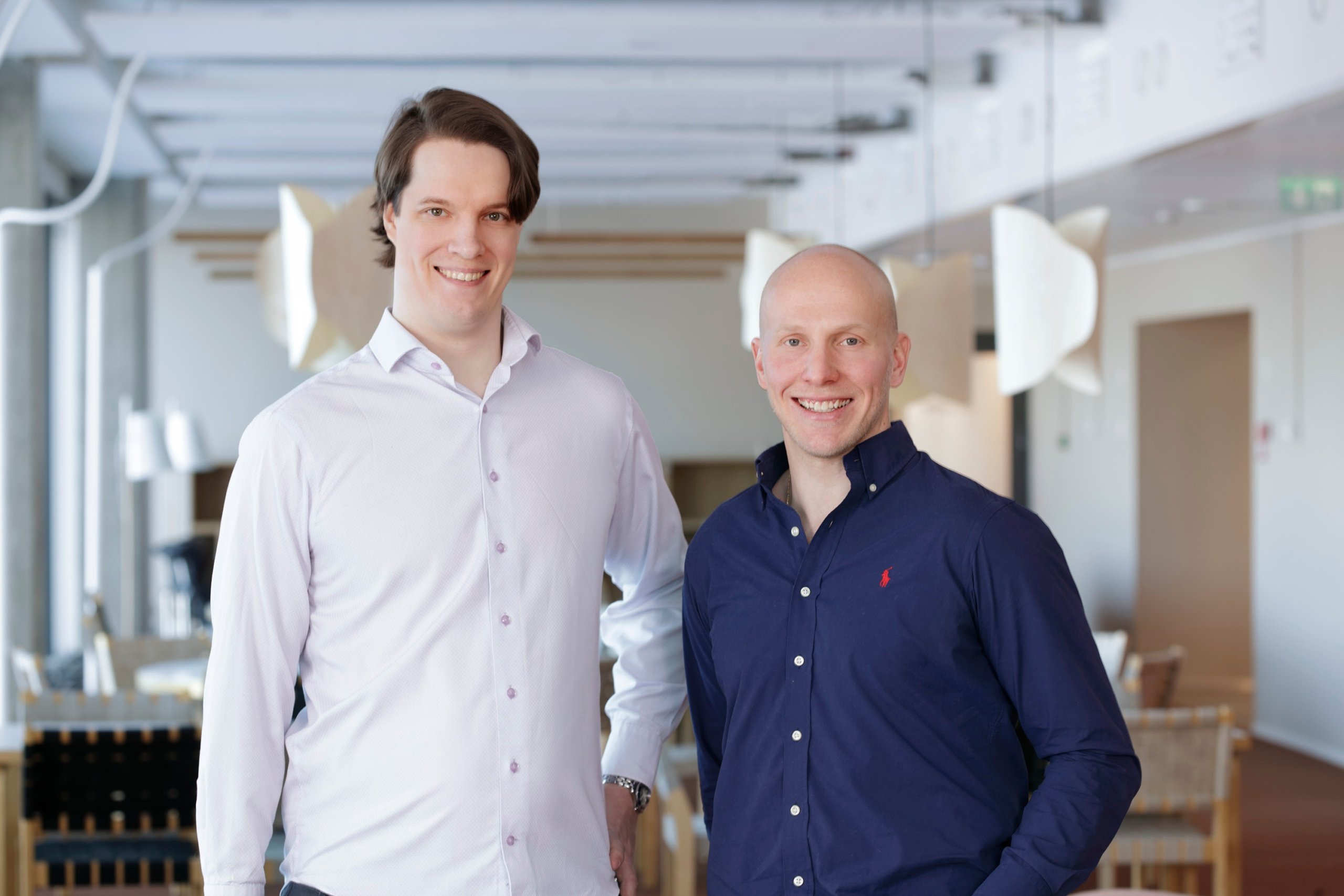
Cellulose absorbent developer Elea & Lili has secured seed funding. The company will use €2.5 million to industrialise a biodegradable alternative to fossil-based absorbents used in hygiene and agricultural water-retention products.
-
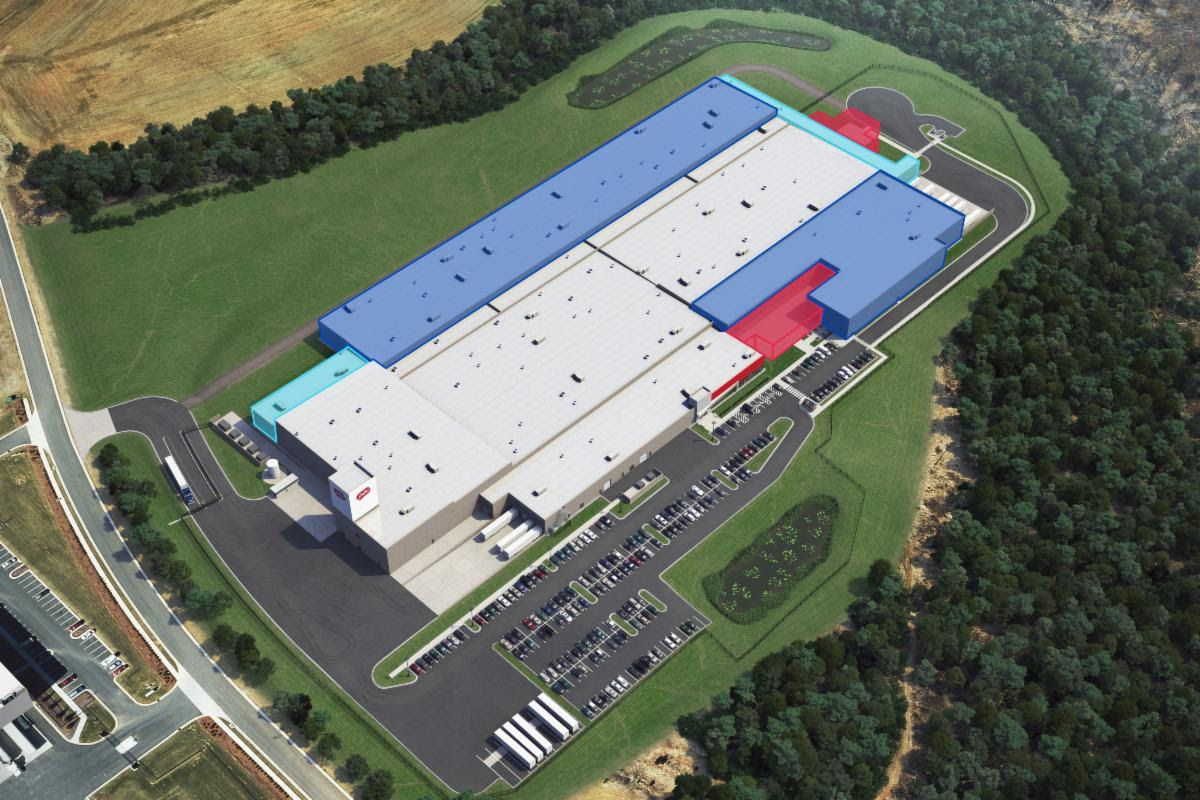
Dennis Group is promoting phased facility planning for expansion projects. The design-build specialist says early decisions on utilities, site infrastructure, safety, and layout can reduce retrofit costs as food plants scale.