
Category: Ingredients
-

Regenerative agriculture claims are now moving into harder evidence territory. FAIRR’s latest assessment highlights weak metrics, inconsistent definitions, and limited outcome-based commitments across major food and beverage companies.
-

Gelatin-free gummies still struggle to match traditional elastic confectionery chew. IFF’s DuoGel system combines pectin and carrageenan for low-pH fruit gummies, targeting texture, stickiness, melt resistance, and process consistency.
-
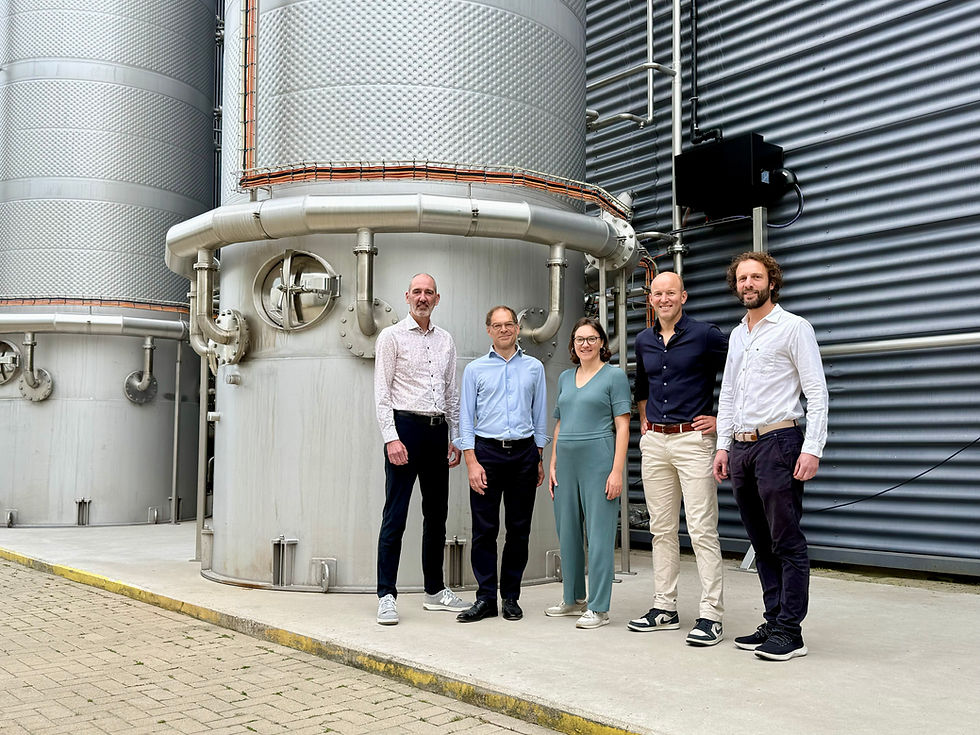
Fermotein funding gives mycelium protein a stronger European commercial route. The Protein Brewery will use the €18m extension to support production scale-up, customer development, and market entry after EU novel food approval.
-
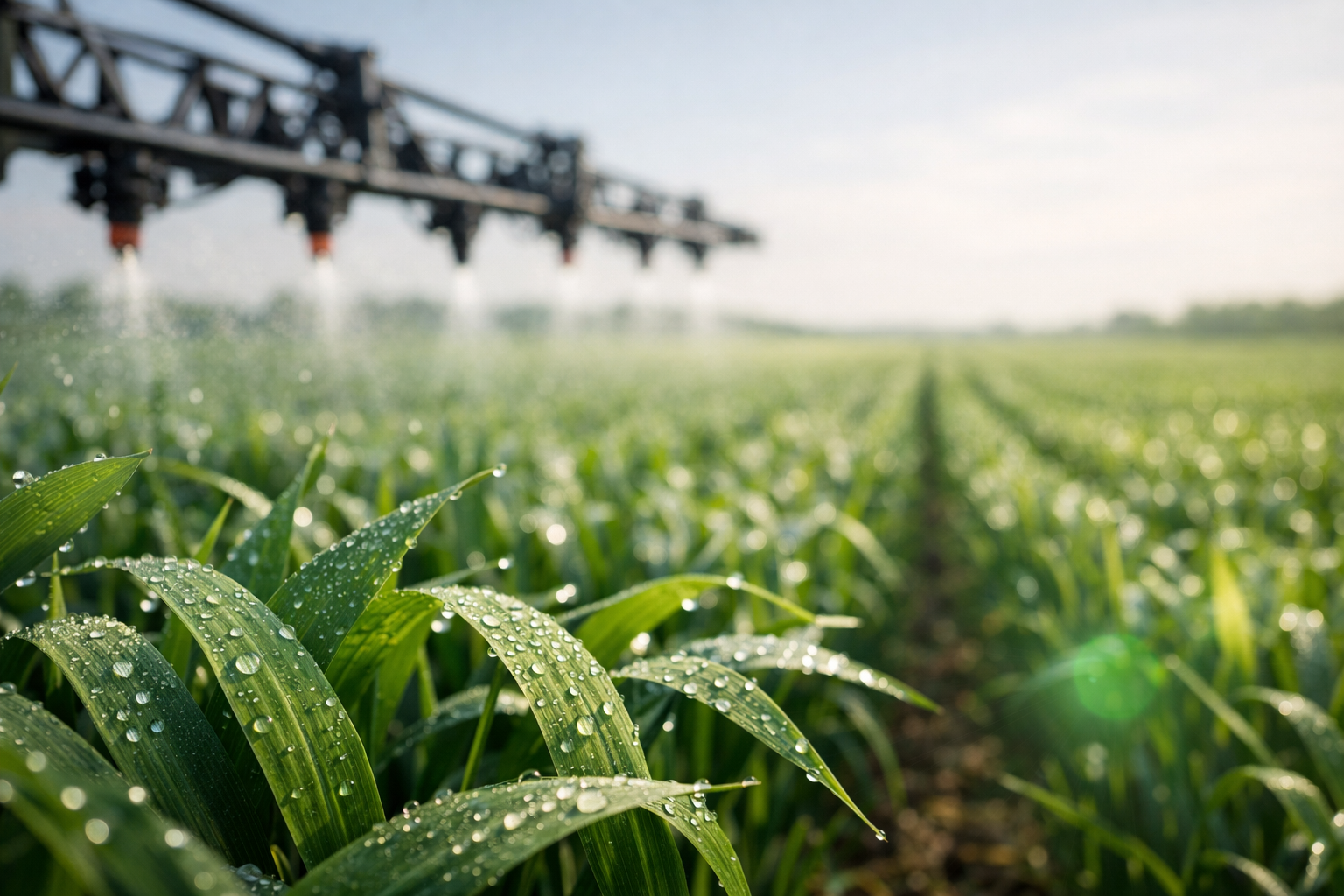
UPP is linking automated broccoli harvesting with ingredient production capacity. The partnership turns field side-streams into protein and fibre feedstock.
-
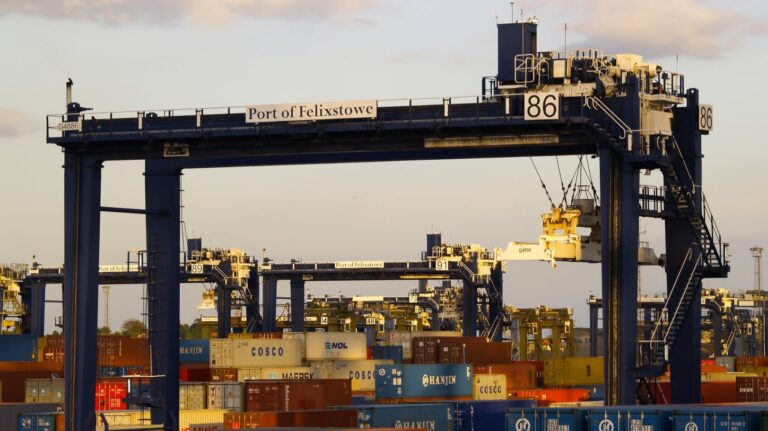
DBT has launched a Supply Chain Centre for critical inputs. Food manufacturers face exposure through ingredients, packaging, fertiliser, machinery, logistics, and energy-linked materials.
-

Sustainable Foods Summit Europe has sharpened focus on ingredient resilience. Supply-chain risk, biodiversity, AI-supported sourcing, and cost pressure dominated the Amsterdam programme.
-
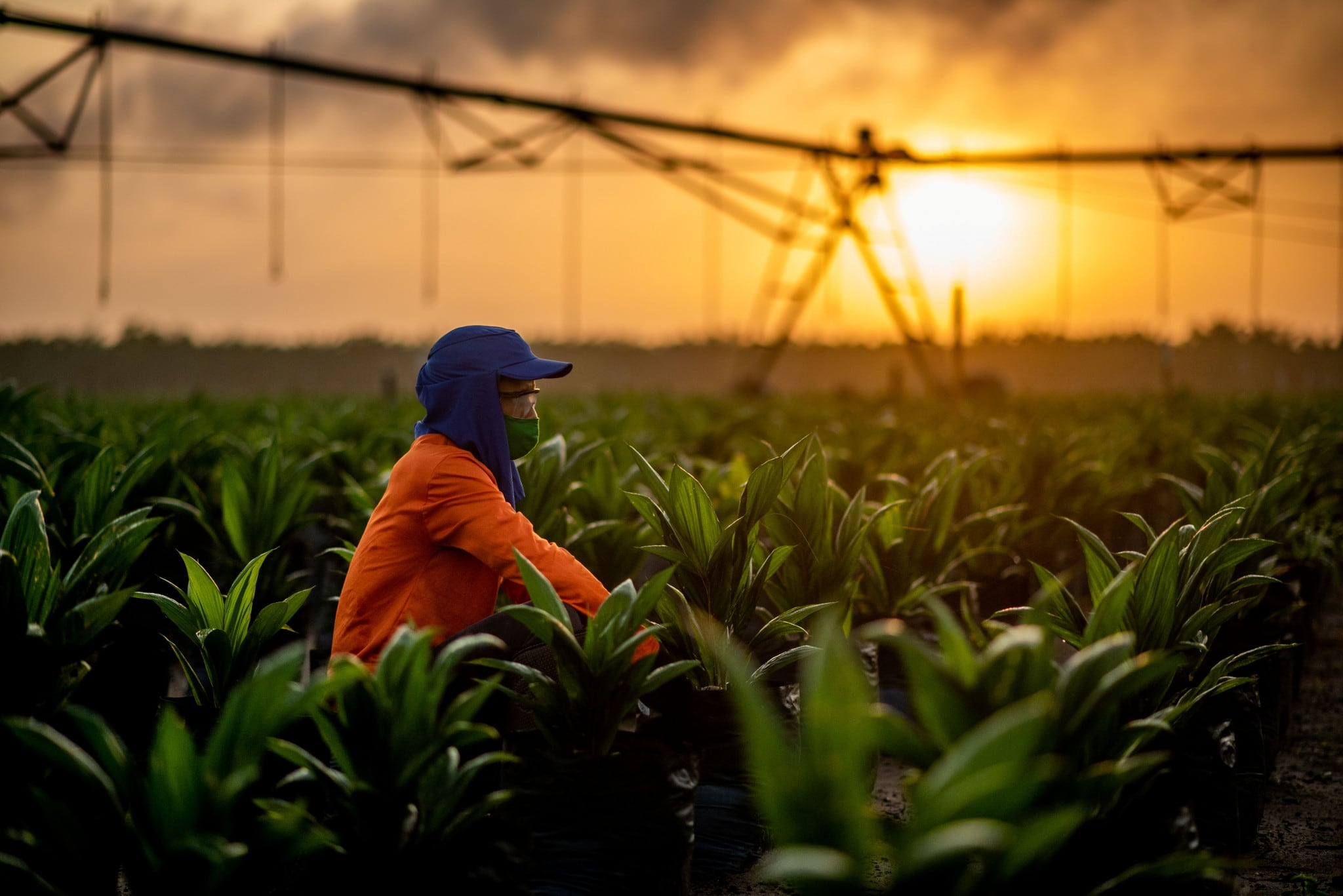
Daabon has acquired Agropalma assets to deepen traceable palm supply. The deal adds plantations, extraction plants, refinery capacity, and protected forest area in Brazil.
-
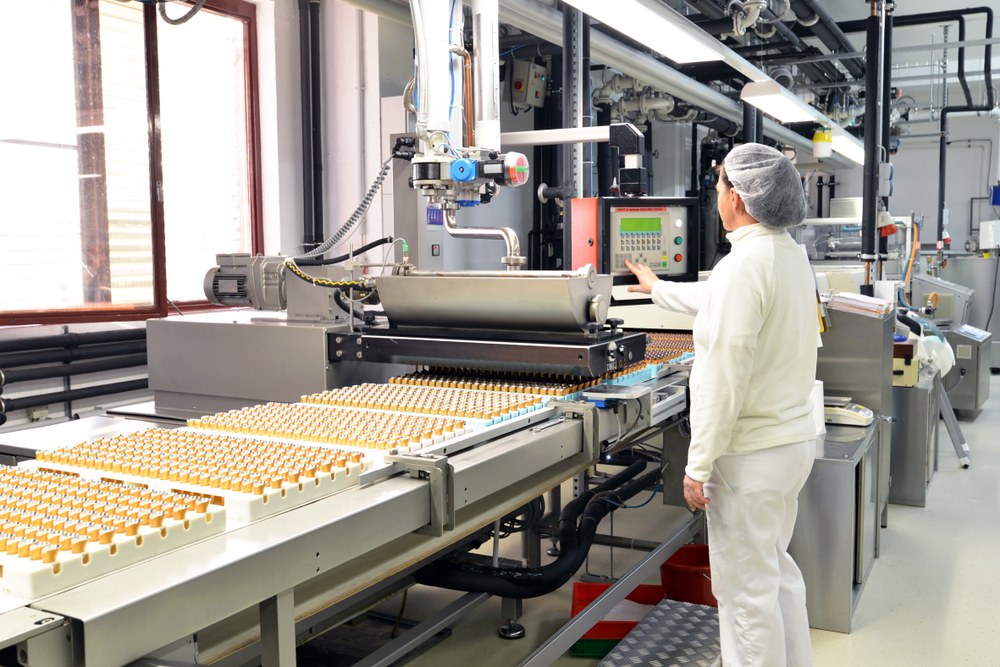
Planet A has launched a new no-added-sugar version of ChoViva. The cocoa-free ingredient targets confectionery and bakery manufacturers balancing sugar reduction with cocoa volatility.
-

UK deforestation rules will sharpen commodity traceability obligations for manufacturers. Cocoa, coffee, soy, palm oil, and rubber are covered.
-
Gelita is tackling texture in lower-sugar confectionery and protein bars. Soluform and Optibar support reformulation across gummies and bar formats.