
Category: Ingredients
-

Germany’s proposed sugar levy is shifting beverage reformulation calculations again. More than 300 drinks companies have opposed the plan, citing cost, administration, packaging, logistics, and consumer-price pressure.
-

EIT Food’s new accelerator cohort prioritises validation over food-tech visibility. The programme will support 65 start-ups across six European hubs covering biotech ingredients, autonomous farming, circularity, low-carbon supply chains, and climate-resilient agriculture.
-

EU sesame controls are tightening around Salmonella exposure in imports. The update increases scrutiny on tahini and halva from Syria, with manufacturers facing sharper documentation, supplier approval, and testing demands.
-
Nestlé’s colour reformulation programme now extends across its global portfolio. The work will test natural colour systems through processing, shelf-life validation, sourcing, packaging, and consumer acceptance.
-
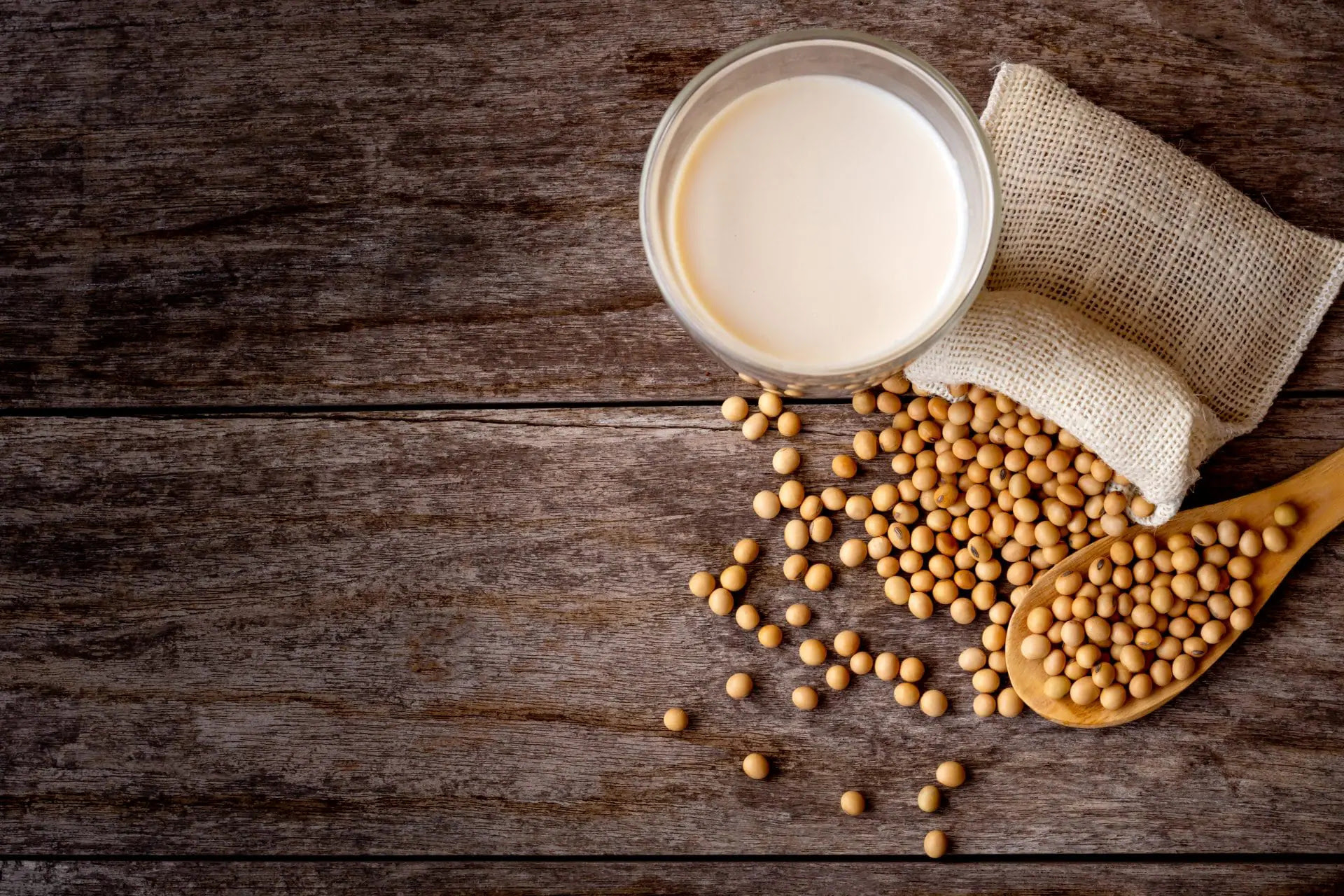
ACI Group says whey costs are changing protein formulation strategy. The distributor says sustained demand from nutrition, ageing, and GLP-1-linked markets is tightening supply and pushing manufacturers toward more flexible protein systems.
-
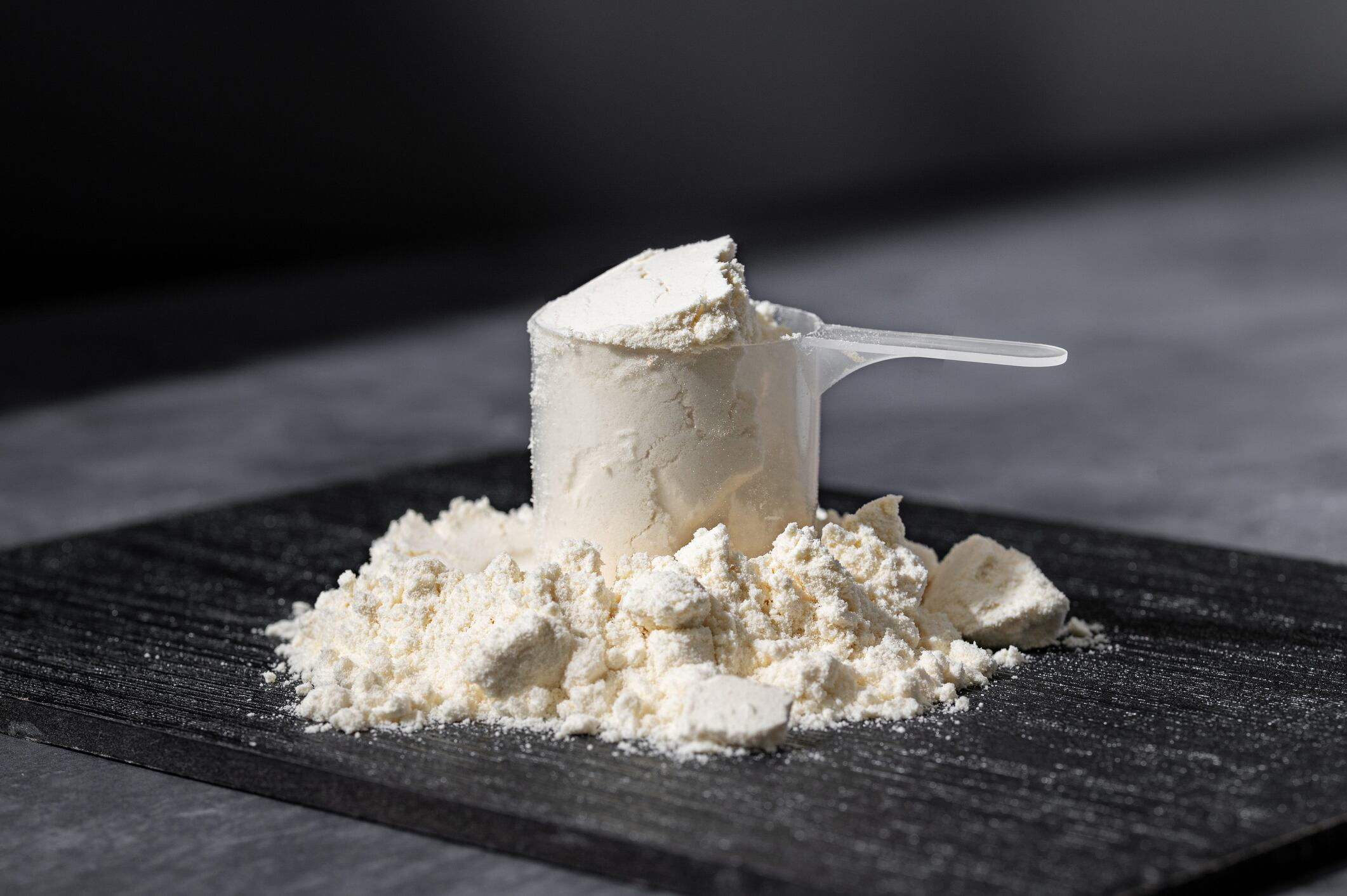
European dairy processors are expanding capacity for higher-value whey proteins. Demand from sports nutrition, functional foods, clear beverages, and weight-management formats is pushing whey further up the dairy value chain.
-

Oat Cult has secured backing for online breakfast growth plans. The £220k round will support subscriptions, Amazon sales, new flavours, and packaging improvements for its live-culture overnight oats.
-

Clear protein drinks are moving beyond traditional sports nutrition formats. Prinova will showcase clear pea protein formulation for RTD and RTM hydration, energy, and performance beverage platforms at IFT FIRST.
-

Irca is set for new ownership under CVC Capital Partners. The Italian ingredients manufacturer has grown into a €1.5bn global platform across pastry, bakery, chocolate, ice cream, and food manufacturing.
-
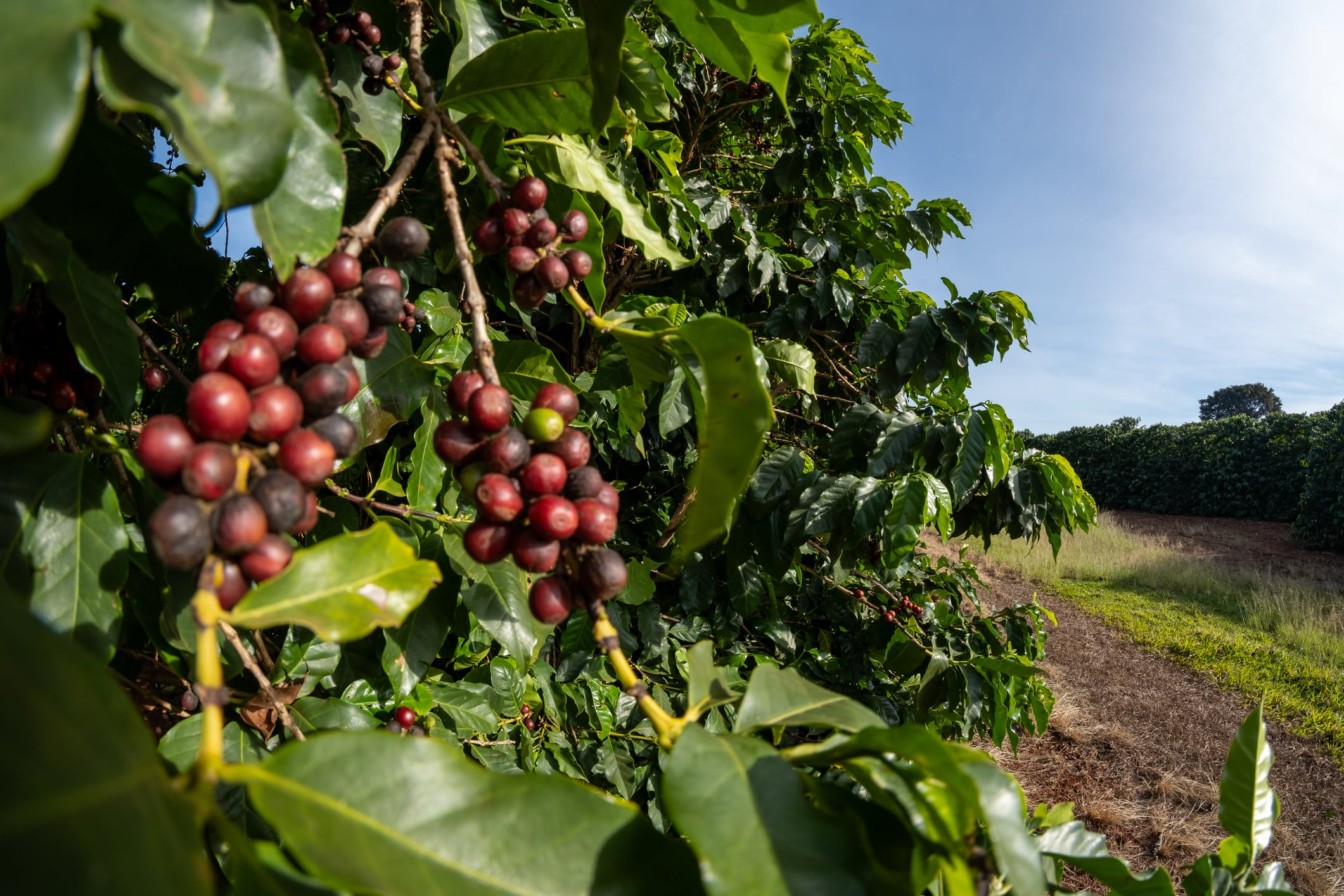
Nescafé has expanded regenerative coffee sourcing across global supply chains. The brand says 53% of green coffee came from farmers adopting regenerative practices in 2025, alongside lower green coffee emissions.