
Category: News
-

Aston researchers found mānuka antimicrobial activity exceeds sugar-MGO controls alone. Laboratory testing indicates methylglyoxal contributes to antibacterial performance but does not fully explain the activity measured in whole mānuka honey.
-

Government plans would double maximum closure orders to twelve months. The measure targets persistent rogue premises, with illegally imported, counterfeit, mislabelled, and non-compliant food among products found by enforcement teams.
-
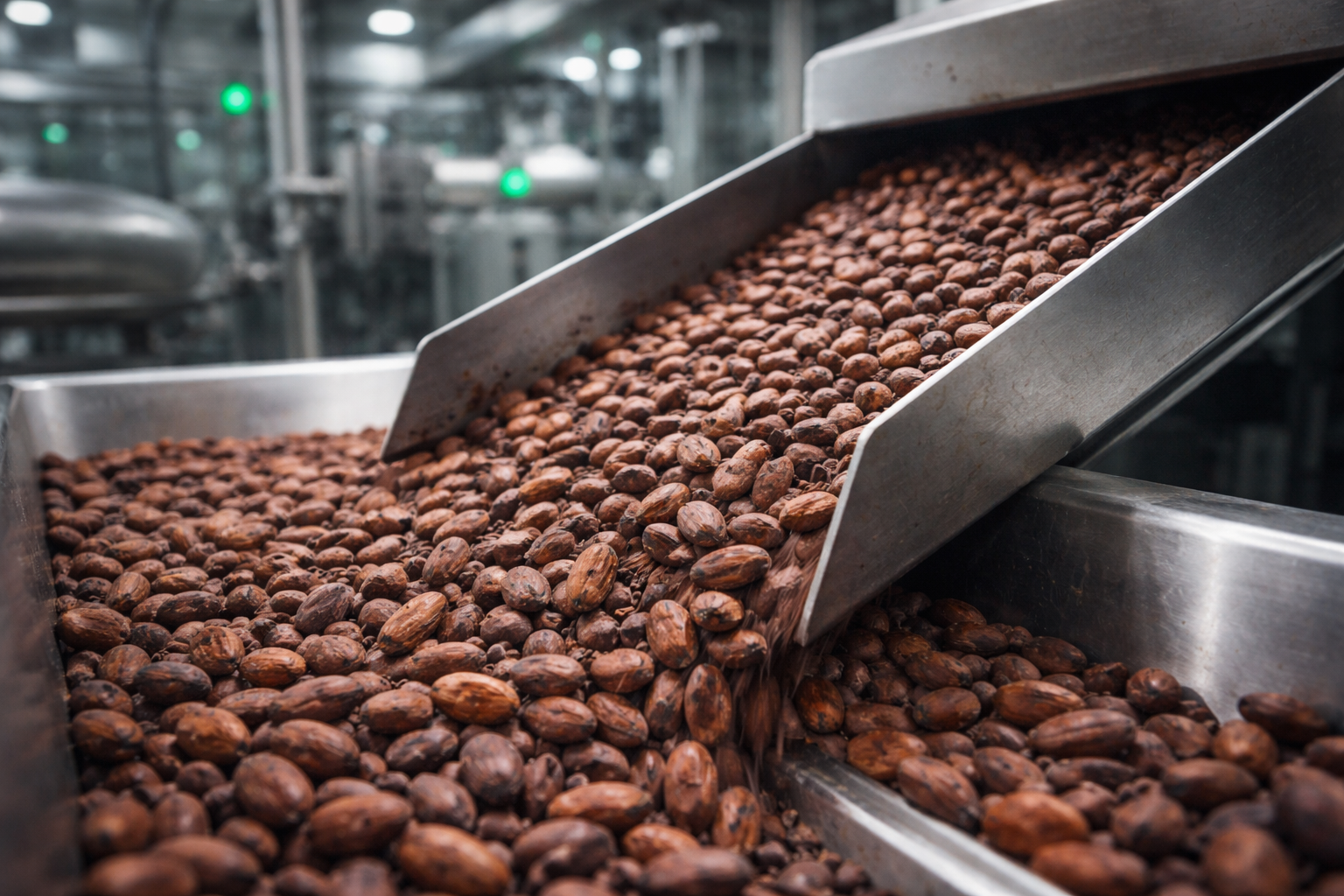
Reading researchers have produced chocolate using cocoa grown entirely locally. The university trial followed beans through fermentation, drying, roasting, grinding, formulation, and final chocolate production using its Berkshire cocoa collection.
-

Authorities have seized 33 tonnes of suspected illegal frozen food. Investigators are examining allegedly fraudulent labels and missing traceability records, while the Food Standards Agency says there is currently no indicated public health risk.
-
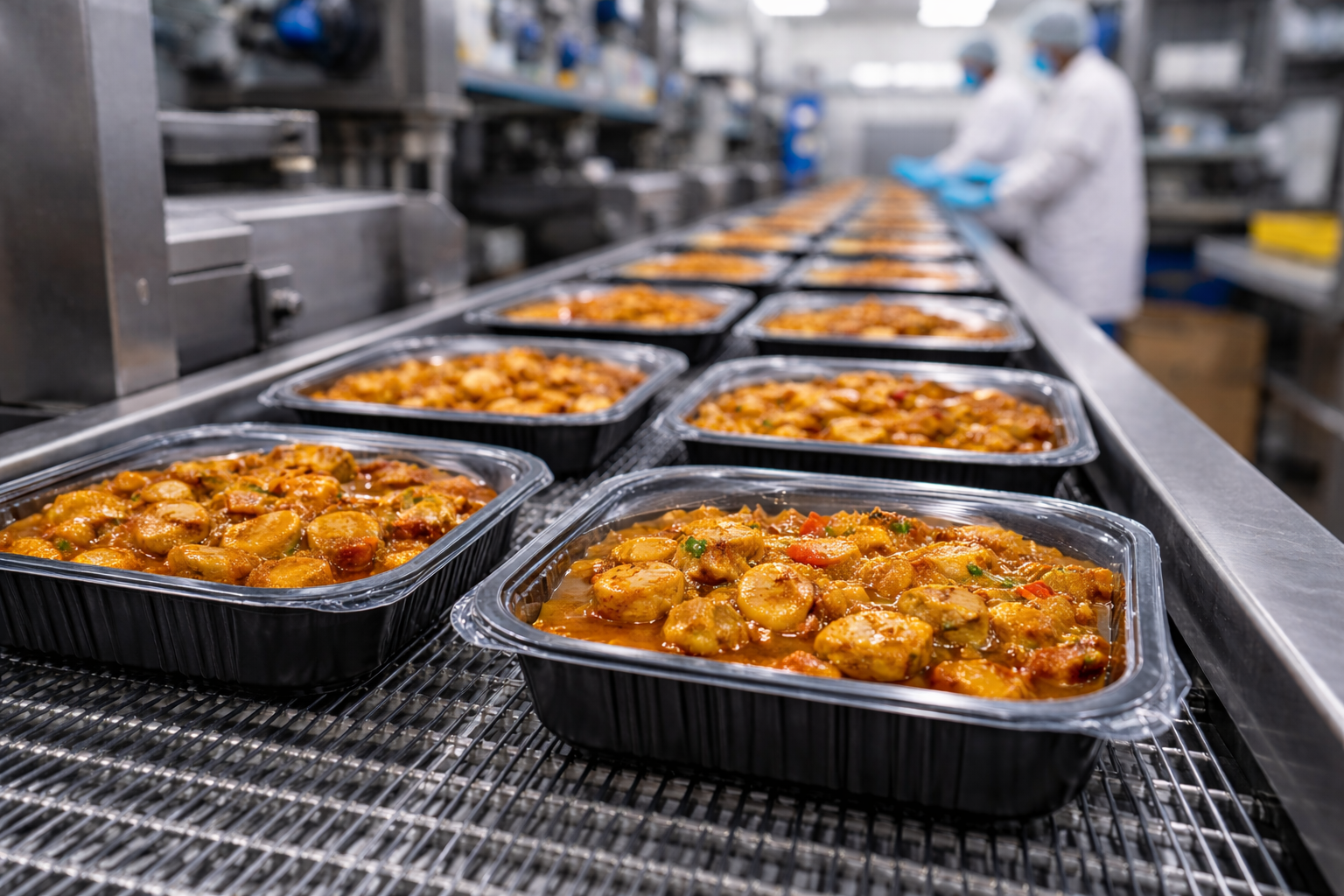
European food deal volumes rose sharply during 2026’s first half. MCF recorded 418 transactions as financial sponsors increased new platform investments and ingredients remained an active acquisition market.
-
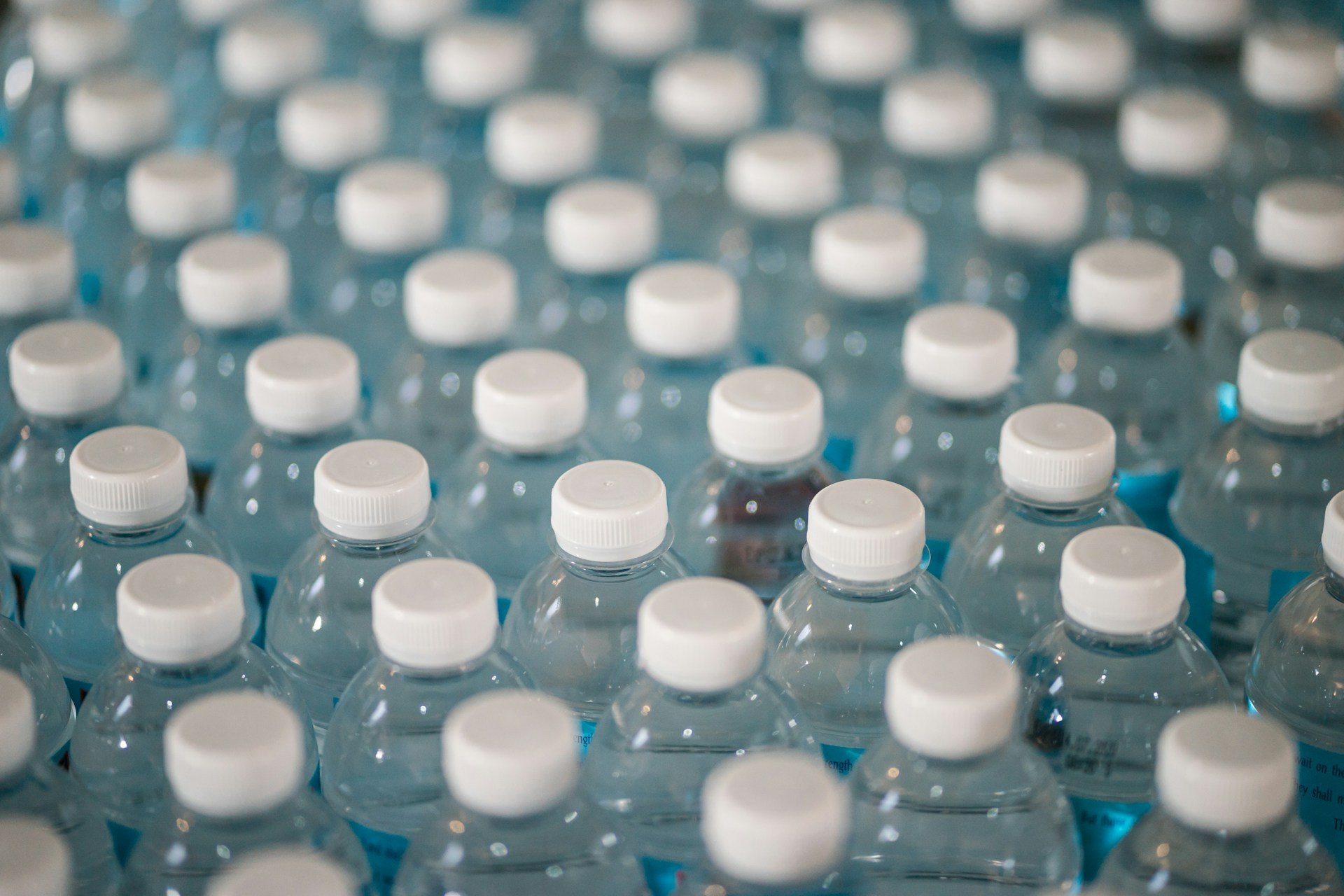
SIPA has validated lighter PET neck technology for hot-fill production. Commercial testing extends the GME 30.40 format into nitrogen hot-fill while reducing neck weight and allowing broader component standardisation.
-

CIRCOR adds clean-in-place capability to its C-9000 precision metering pump. The design combines hygienic in-place cleaning with repeatable, virtually pulse-free flow for demanding food and beverage processes.
-

Natural colour reformulation could substantially strain United States supply chains. New NCA-backed research identifies agricultural production, ingredient processing, sourcing, and validation capacity as key constraints.
-
IPL Schoeller adds recycled polypropylene to its food packaging range. SnapPack Square EVO contains 20% food-contact recycled material and is scheduled for commercial availability this autumn.
-
Bongards Creameries plans major expansion of Minnesota process cheese production. The $135 million project adds manufacturing space, automated warehousing, and 180 million pounds of annual capacity.