
Category: News
-
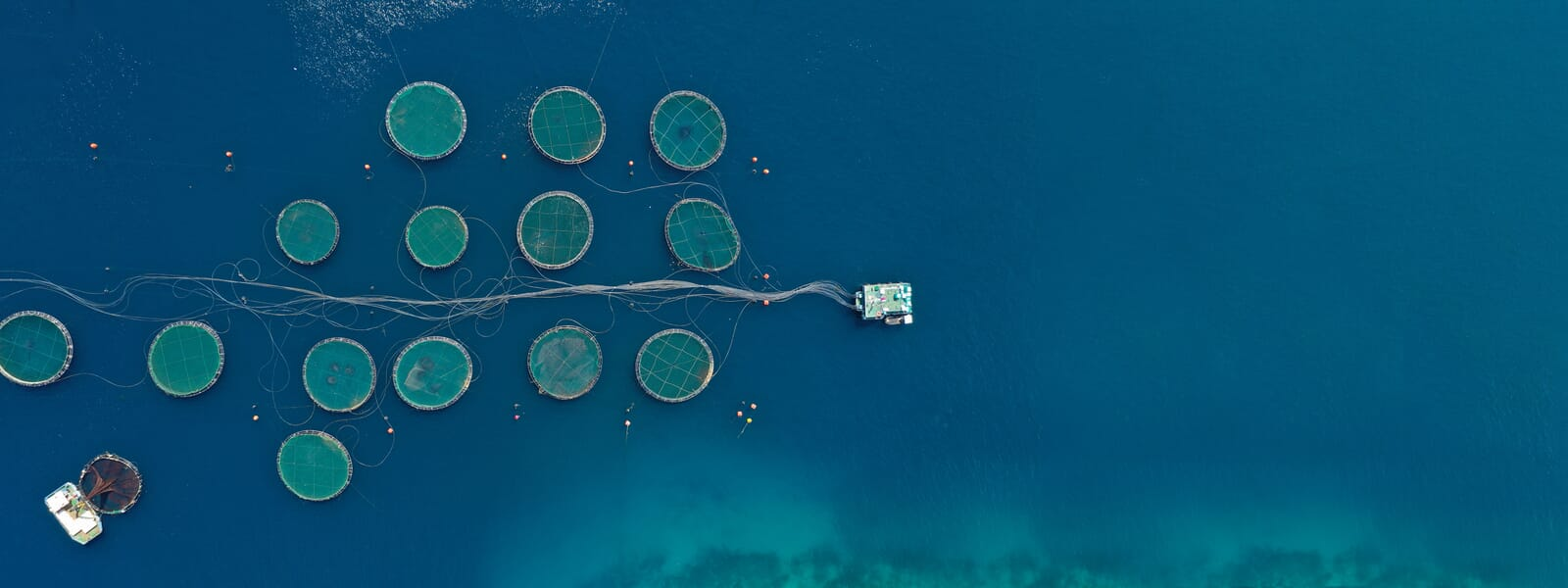
European seafood organisations want blue foods embedded within policy planning. Their proposal connects production, processing, trade, and protein resilience.
-
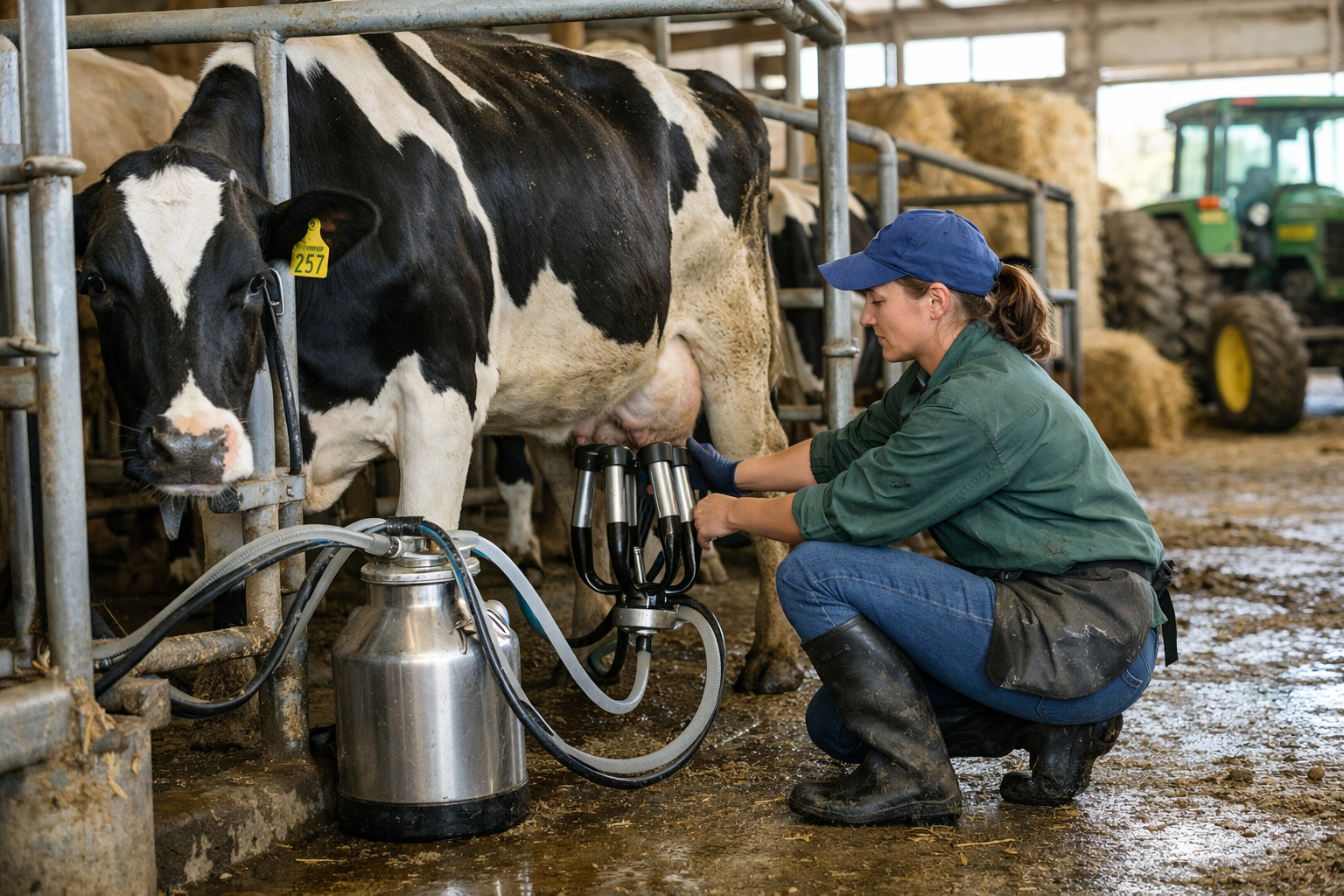
Irish milk intake fell again despite stronger component quality levels. Higher fat and protein partly supported dairy manufacturing value.
-

Nestlé returned to volume growth while major commodity pressures persisted. Cocoa, coffee, tariffs, recalls, and restructuring continued weighing on margins.
-

Nueva Pescanova has withdrawn its proposed Gran Canaria octopus farm. Regulatory, environmental, welfare, and commercial barriers remain unresolved.
-

Arla’s new Linköping line will expand European skyr production capacity. Operation is scheduled from early 2028 across several pack formats.
-
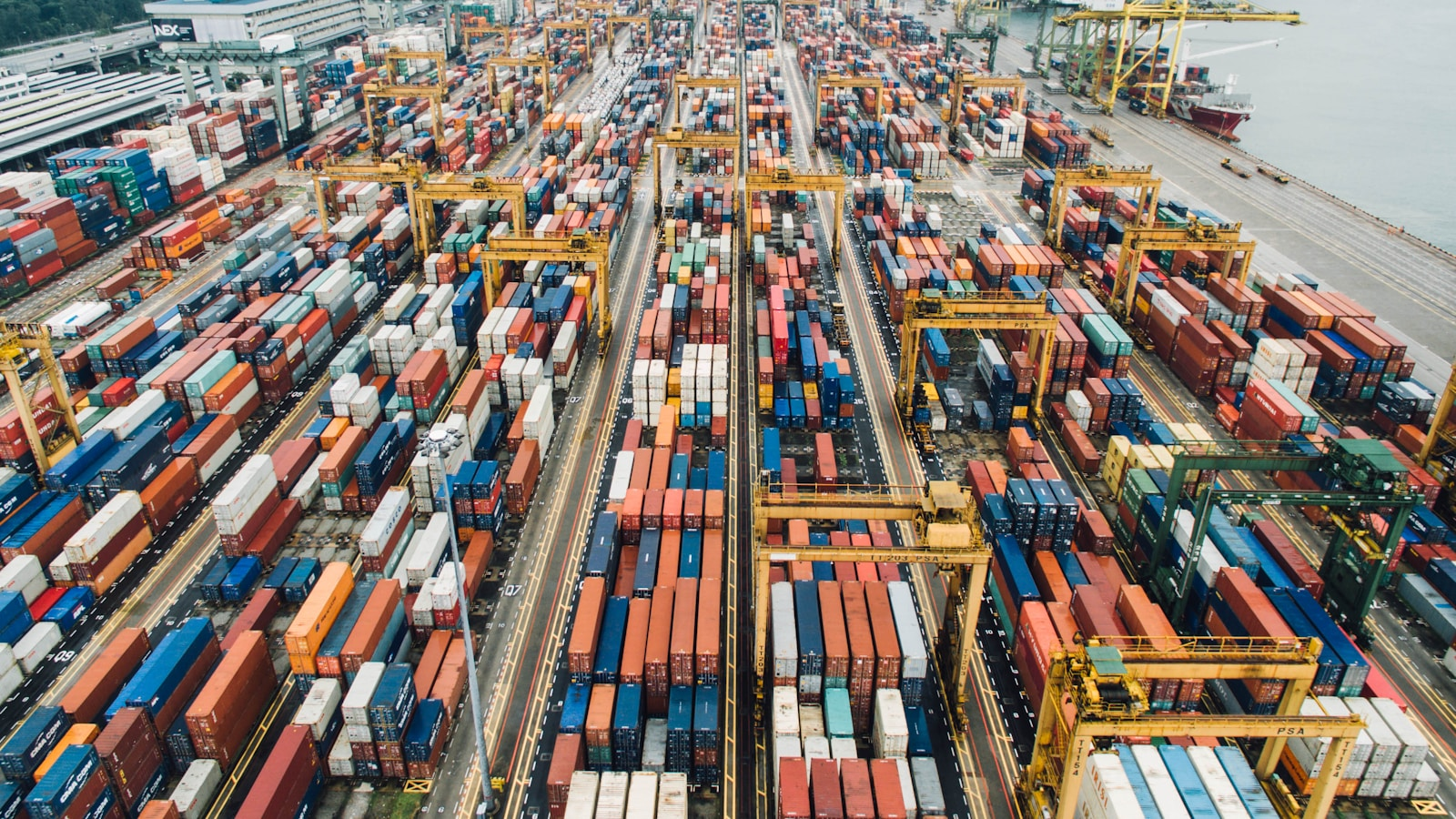
US forced labour tariffs are widening food trade compliance risks. The measures affect origin evidence, classifications, supplier controls, and landed costs.
-
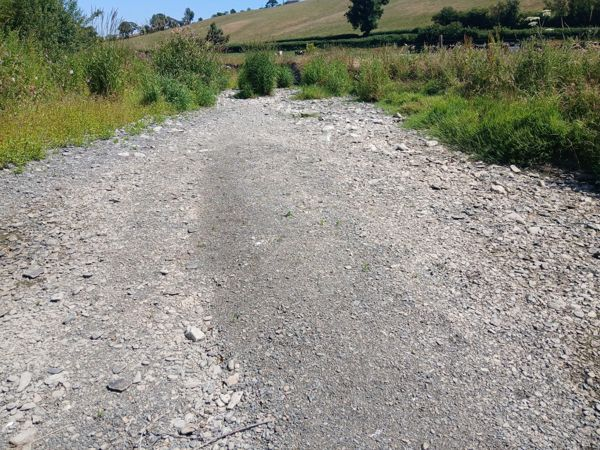
Drought has been declared across North Wales and Upper Severn. Exceptionally low rainfall and river flows are increasing pressure on agriculture, abstraction, and water-dependent production.
-
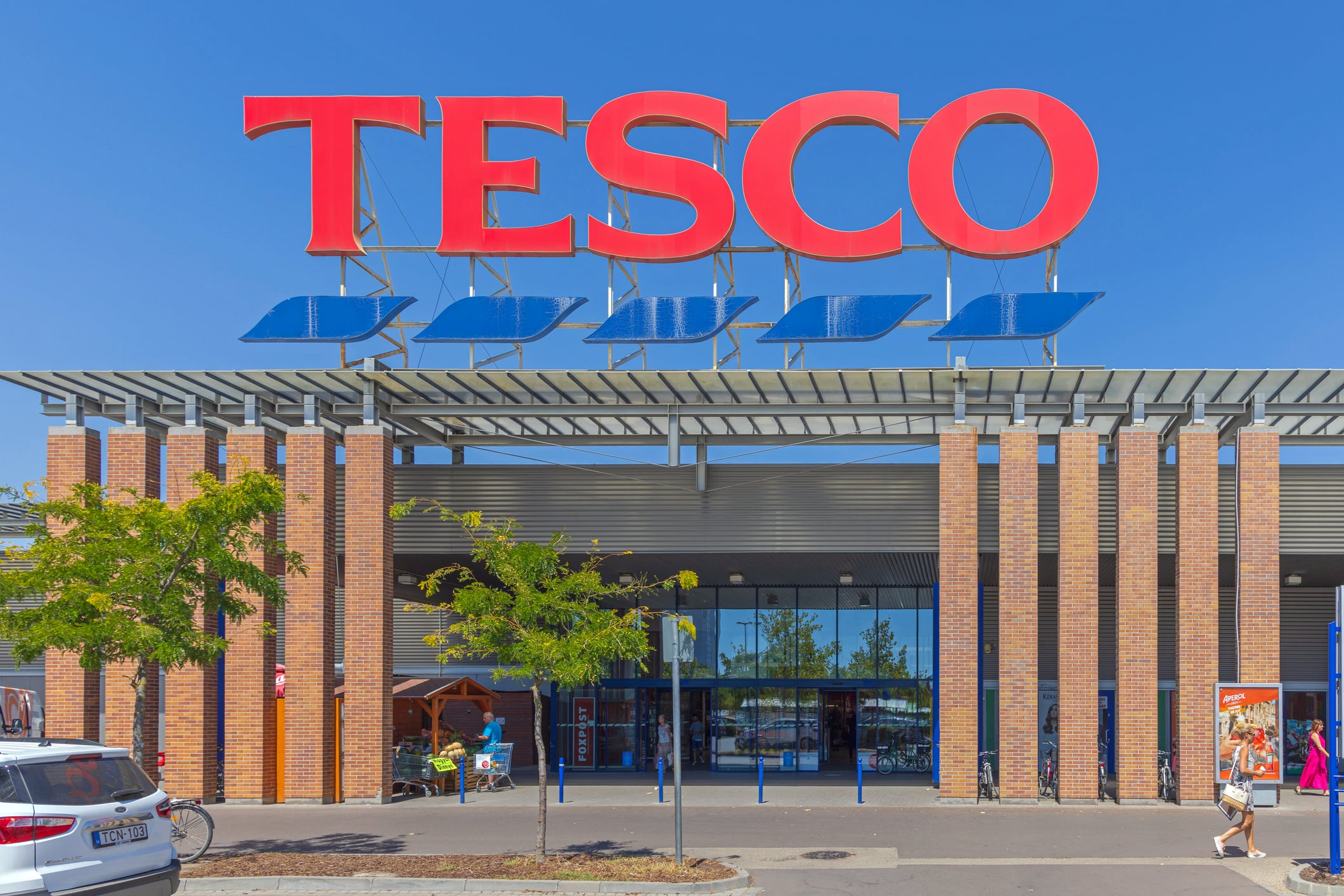
Tesco distribution workers have entered a nationwide industrial strike ballot. More than 3,000 warehouse employees and drivers are voting across Belfast, Didcot, Doncaster, and Thurrock.
-
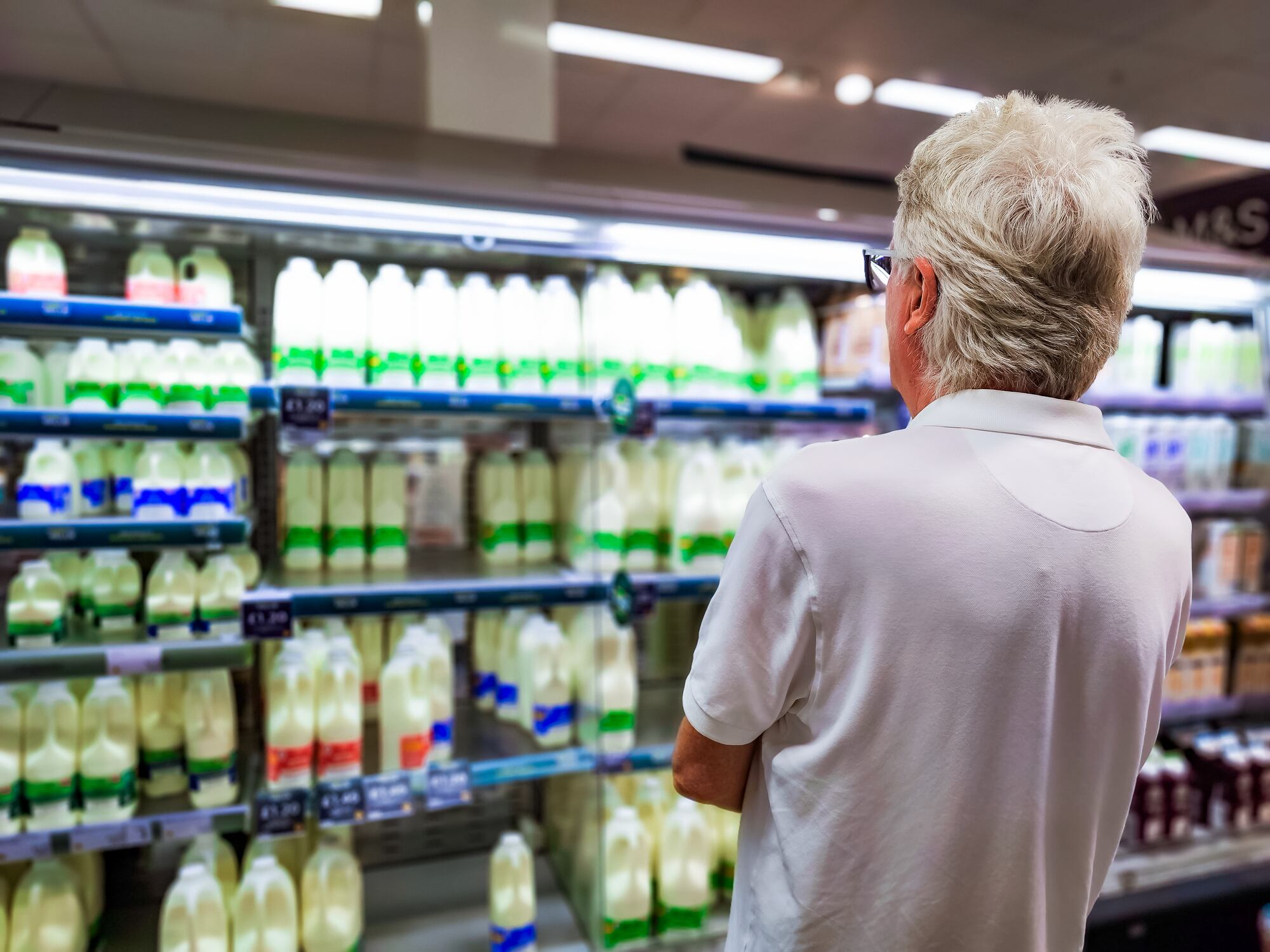
Graham’s has recalled milk over possible antibiotic residue contamination risks. Three semi-skimmed formats dated 31 July 2026 are affected, with particular risk to consumers allergic to penicillin.
-
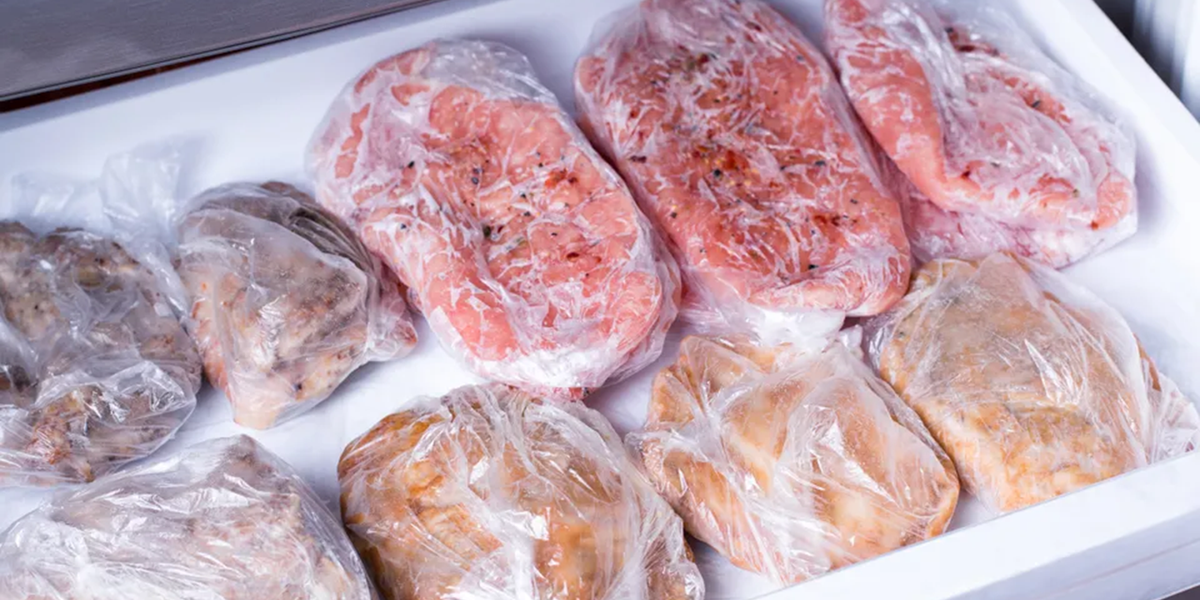
Dutch authorities found negligible microbial risk in meat from Esro. The finding does not alter concerns over material eligibility, documentation, accreditation, and suspected fraud.