
Category: Food safety
-

Albert Heijn is expanding shelf-life icons across own-label packaging to reduce food waste and clarify date marking. The move places packaging information more firmly inside shelf-life management, safety communication, and waste reduction.
-
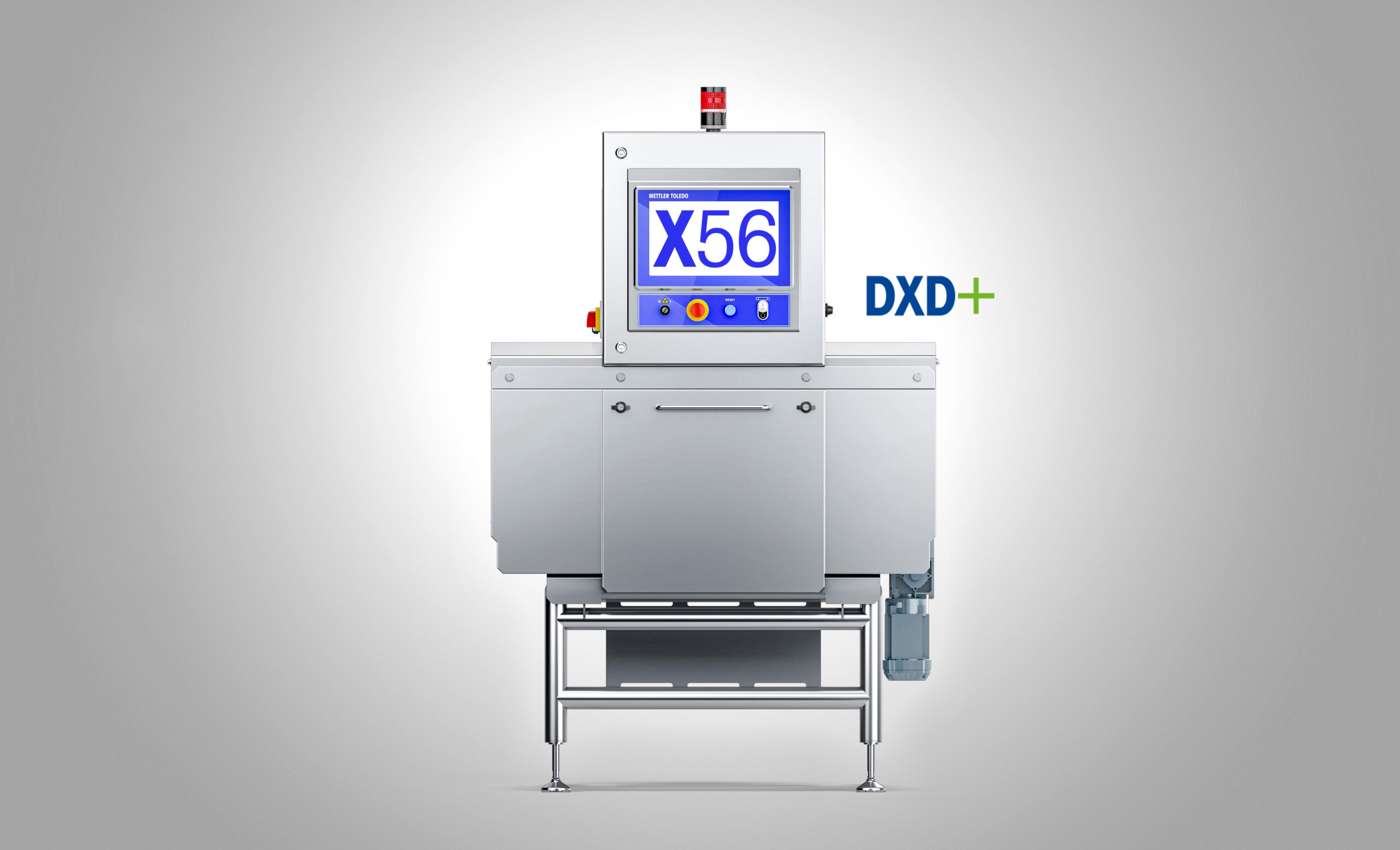
Mettler-Toledo has launched an AI-enabled X-ray inspection system. The X56 DXD+ targets low-density contaminants, complex packaged products, multi-lane formats, and audit-ready traceability.
-
Salmonella cases in England have reached a decade high. The latest UKHSA figures sharpen scrutiny on hygiene controls, supplier assurance, poultry, eggs, meat, chilled foods, and cross-contamination risk.
-
EU ministers have advanced simplification plans for food safety rules. The Omnibus X position covers pesticide use, farm animal records, official controls, and plastics used in food industry applications.
-
Issue 3 of IN Food is live now for readers. The May/June edition brings together practical insight on packaging, processing, traceability, assurance, and cleaner heat.
-
TraceGains has launched Formula AI, an AI-powered laboratory and workspace for food scientists and product developers. The platform combines formulation tools, supplier and ingredient intelligence, compliance data, and collaborative workflows in a single development environment.
-
The University of Lincoln’s RoboCrops exhibit has highlighted an AI and robotics system capable of detecting subtle plant stress, disease risk, and performance differences before they are visible to the human eye, supporting work on crop resilience and food security.
-
Researchers are demonstrating how modified QuEChERS methods can support faster testing for polycyclic aromatic hydrocarbons in foods, offering laboratories a route to cleaner sample preparation and more routine contaminant monitoring.
-
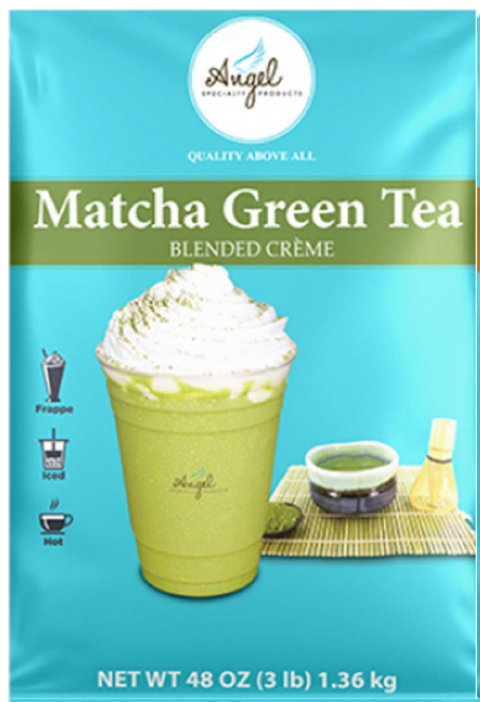
SKS Copack has recalled powdered beverage mixes over Salmonella risk. The US incident extends the California Dairies dry milk recall chain into cafés, restaurants, smoothie bases, and specialty drink systems.
-
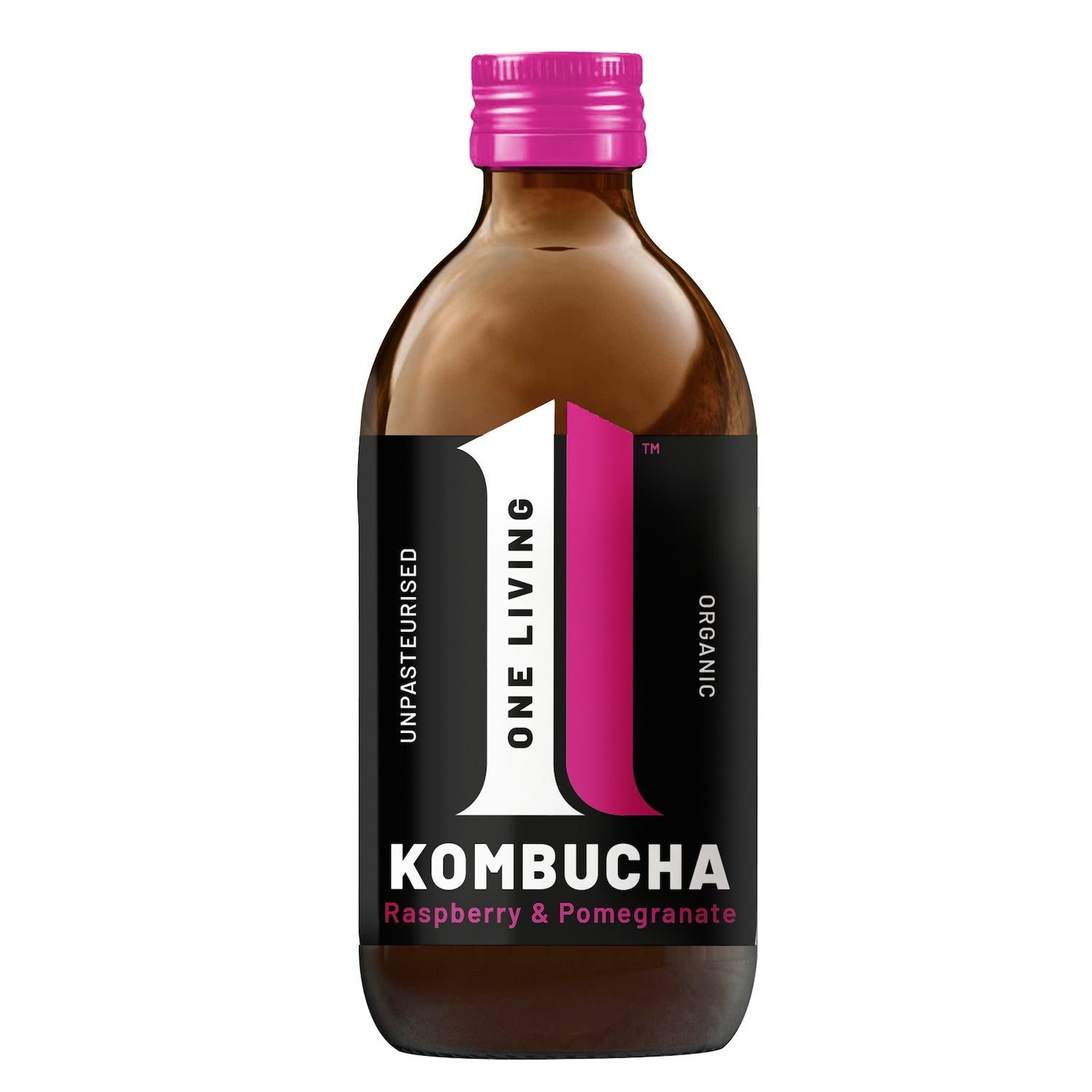
One Living has recalled raspberry and pomegranate kombucha over cap pressure. The incident highlights fermentation control, cold-chain discipline, glass packaging safety, and recall handling for live beverage formats.