
Category: Topics
-
Germany’s proposed sugar levy is shifting beverage reformulation calculations again. More than 300 drinks companies have opposed the plan, citing cost, administration, packaging, logistics, and consumer-price pressure.
-
EIT Food’s new accelerator cohort prioritises validation over food-tech visibility. The programme will support 65 start-ups across six European hubs covering biotech ingredients, autonomous farming, circularity, low-carbon supply chains, and climate-resilient agriculture.
-

EU sesame controls are tightening around Salmonella exposure in imports. The update increases scrutiny on tahini and halva from Syria, with manufacturers facing sharper documentation, supplier approval, and testing demands.
-
Nestlé’s colour reformulation programme now extends across its global portfolio. The work will test natural colour systems through processing, shelf-life validation, sourcing, packaging, and consumer acceptance.
-

Morrisons has recalled chilled pasta over undeclared milk allergen risk. Some packs may contain Florida Salad, exposing the operational link between product identity, packing accuracy, and allergen labelling.
-
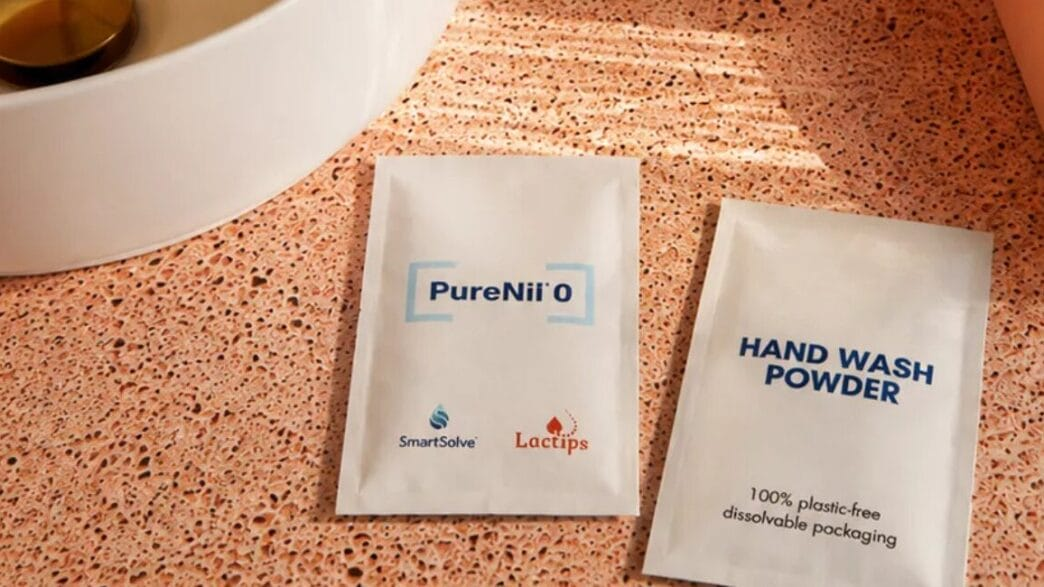
Lactips and SmartSolve are developing soluble, microplastic-free packaging materials together. The PureNil 0-based applications disperse in water and could inform future dry product, unit-dose, and controlled-use packaging formats.
-

Interzero has launched software for PPWR packaging compliance documentation workflows. Check for Recycling assesses recyclability, structures packaging data, and supports declarations of conformity as regulatory evidence requirements tighten.
-
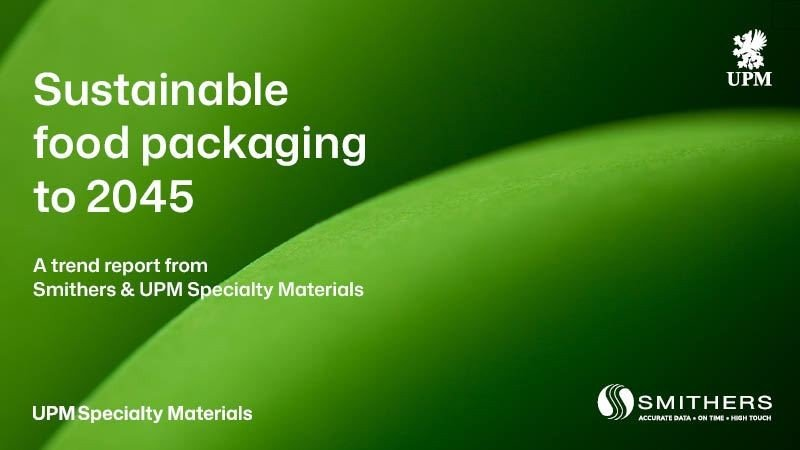
Fibre-based packaging forecasts are sharpening the food material transition agenda. UPM Specialty Materials and Smithers expect barrier innovation, regulation, and recycling infrastructure to influence packaging choices through 2045.
-
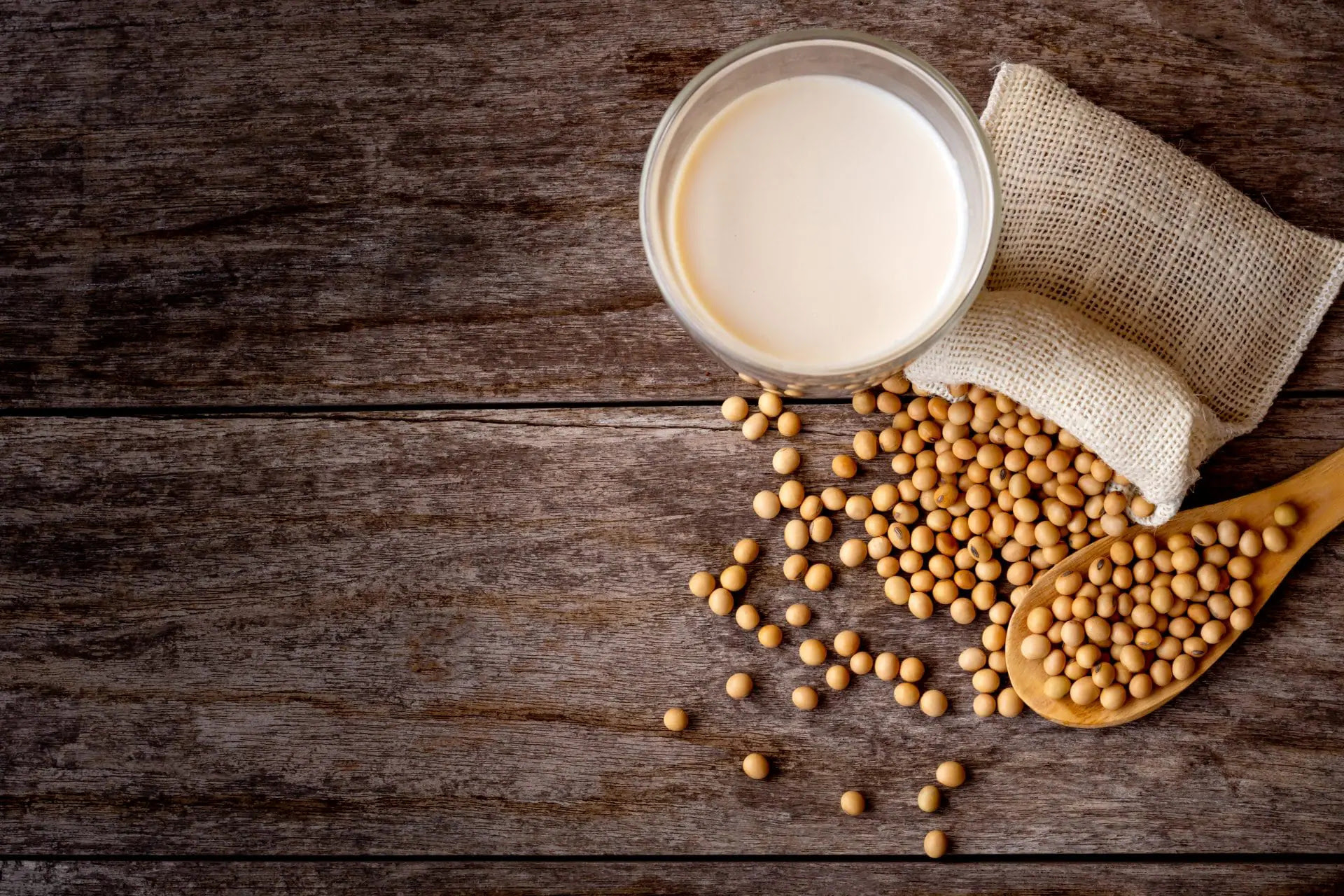
ACI Group says whey costs are changing protein formulation strategy. The distributor says sustained demand from nutrition, ageing, and GLP-1-linked markets is tightening supply and pushing manufacturers toward more flexible protein systems.
-
EFSA has assessed Bandera Twin for recycled food-contact PET applications. The opinion reinforces the technical evidence required before post-consumer plastics can be used safely in food packaging.