
Category: Processing
-
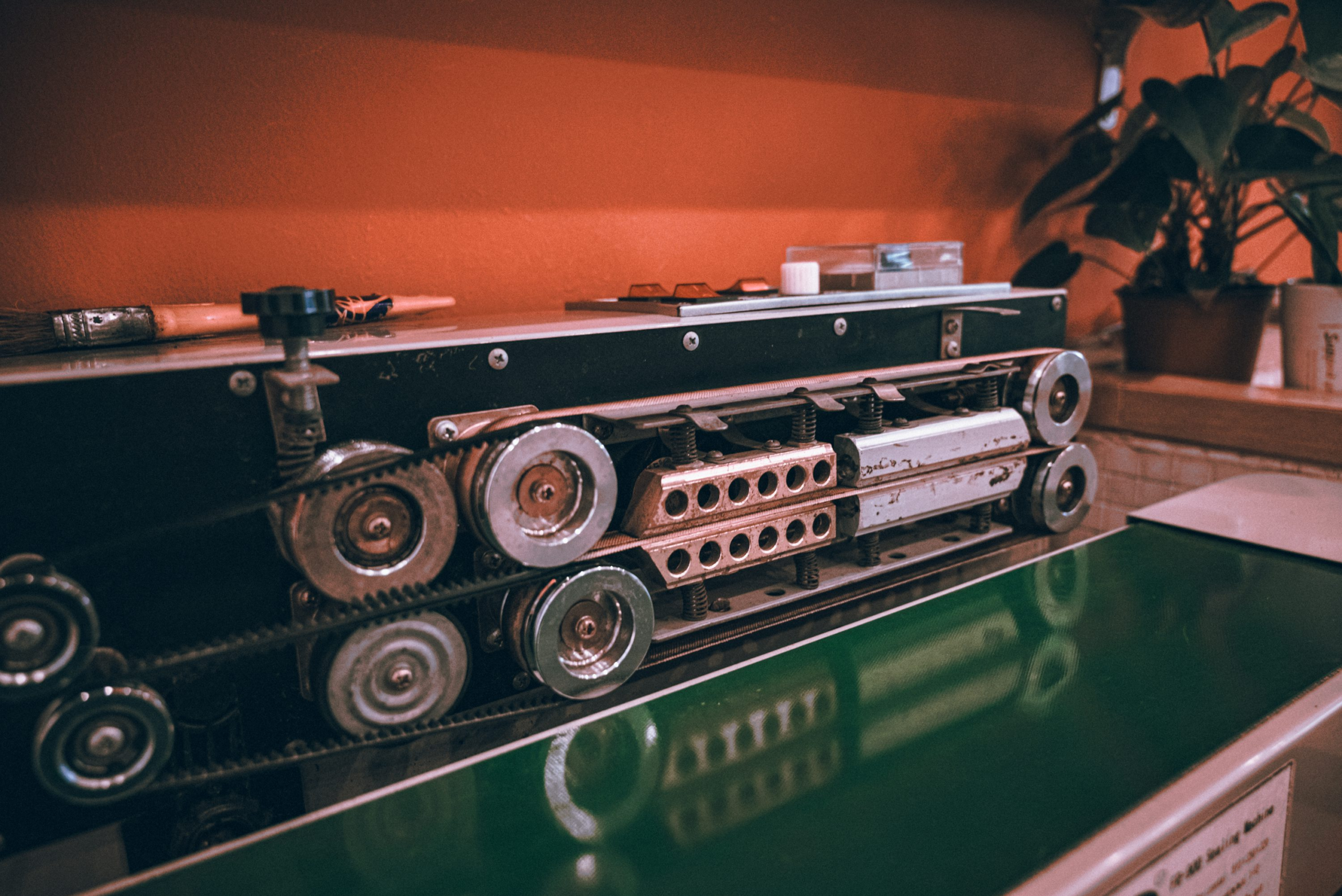
Wardat has installed high-speed machinery for processed cheese stick-packs production. The six-lane S600 is rated for up to 18,000 packs hourly, with a second machine already ordered for delivery during the first quarter of 2027.
-
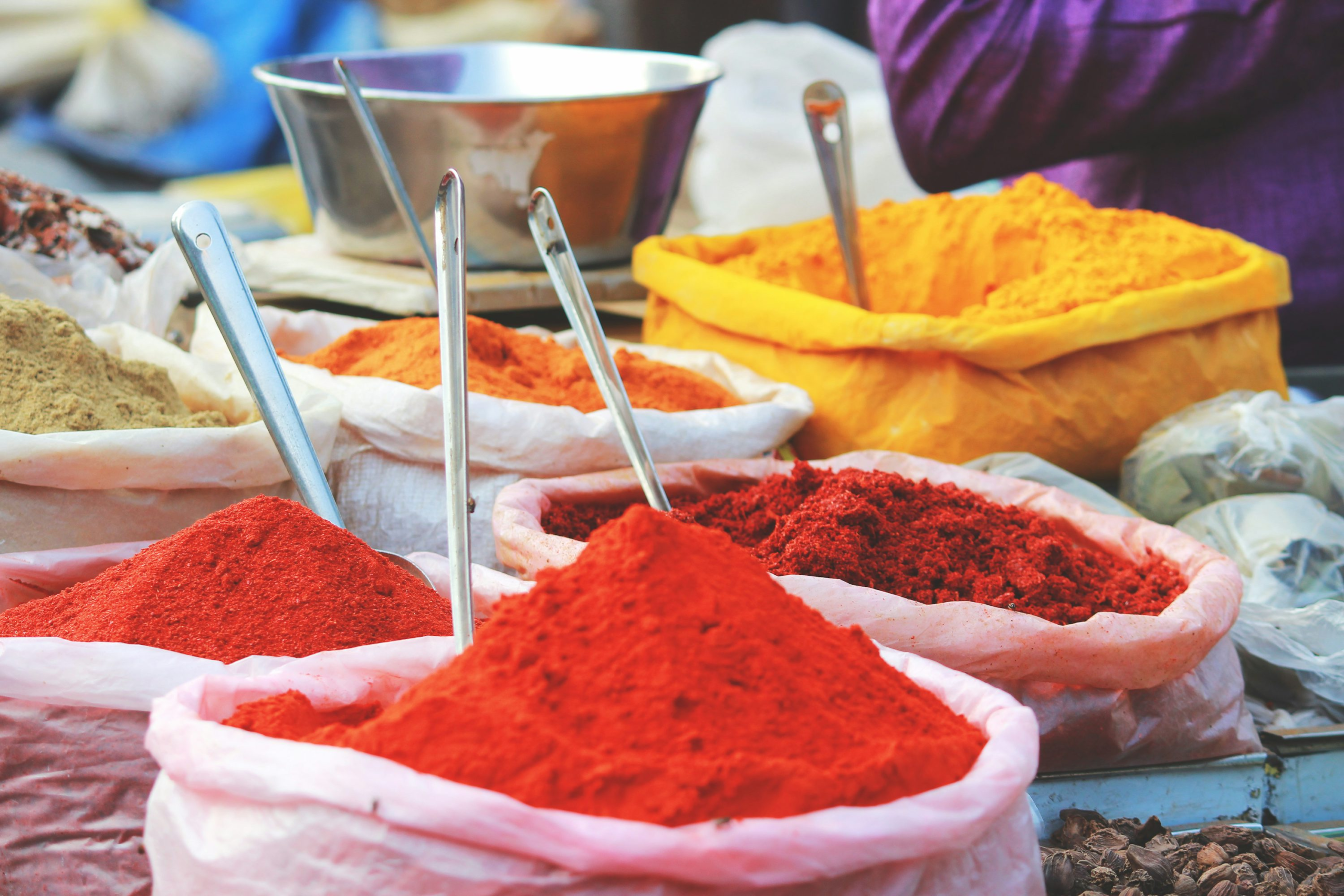
California Natural Color is tripling production capacity at Fresno operations. The expansion will increase output of natural colours and grape seed extract as manufacturers and retailers accelerate moves away from synthetic food dyes.
-
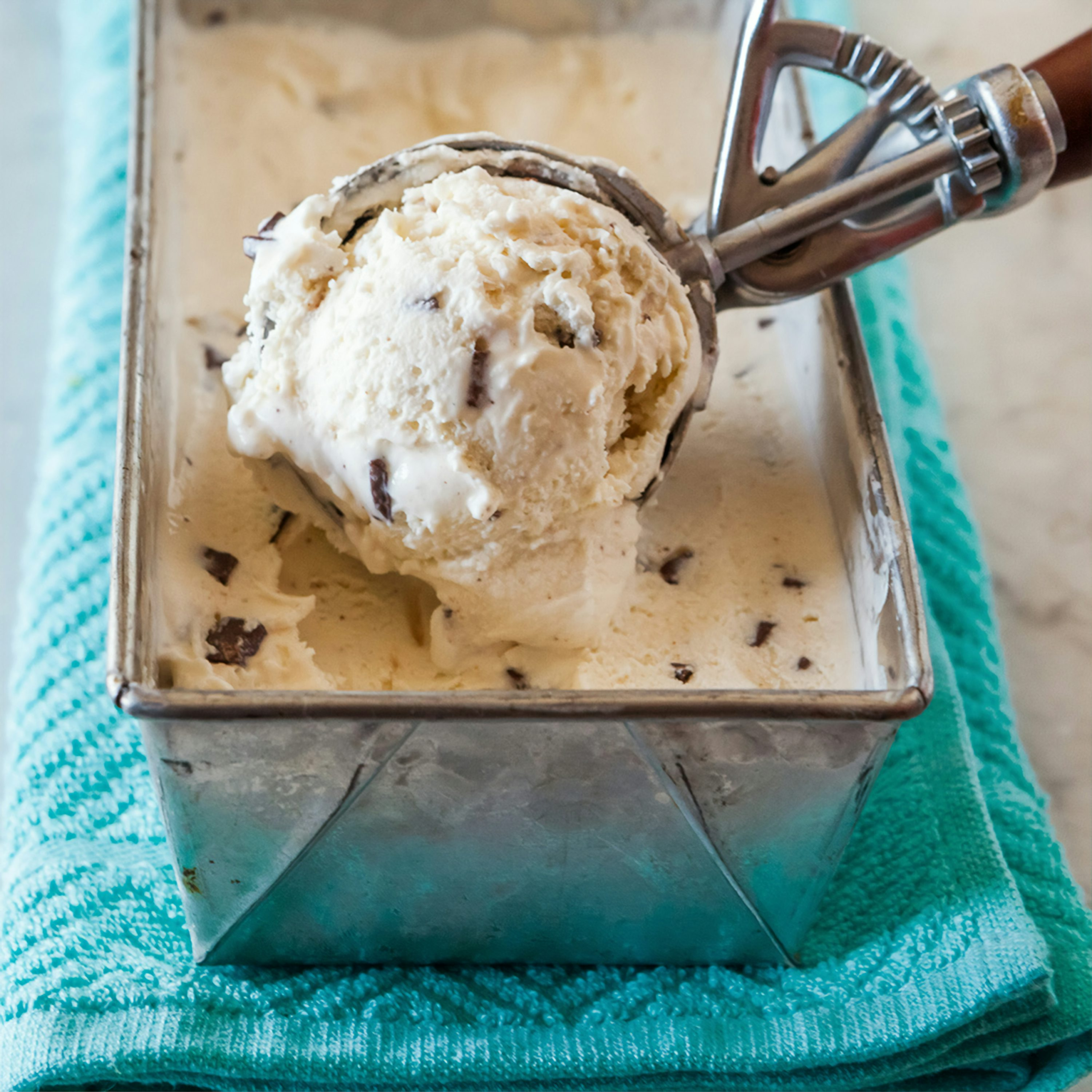
Wells has completed two phases of its Dunkirk factory expansion. The $425 million programme is now adding further production lines before raw-material processing capacity is expanded in the final phase.
-

General Mills has completed certified-colour removal across all US cereals. The programme moves major brands onto alternative colour systems while the remaining retail portfolio follows by the end of 2027.
-
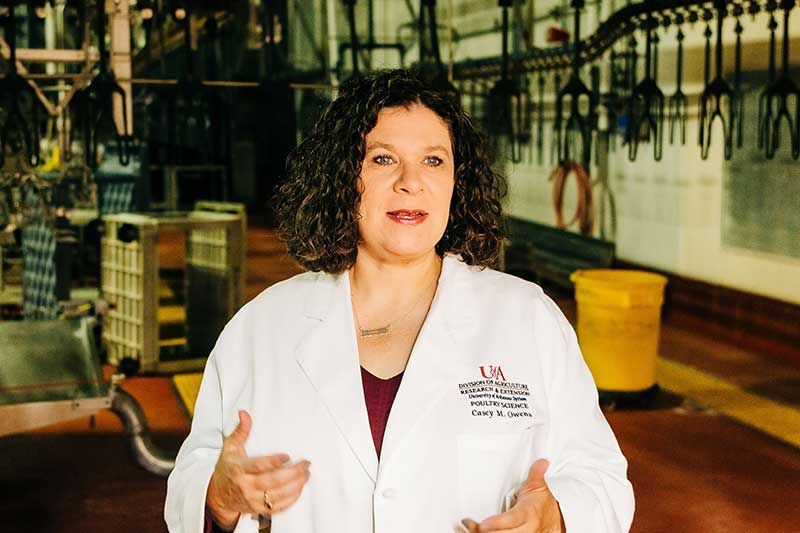
Researchers are testing electron-beam treatment for safer poultry processing operations. New work examines whether pathogen reduction can be achieved without unacceptable changes to meat flavour, colour, and other quality characteristics.
-
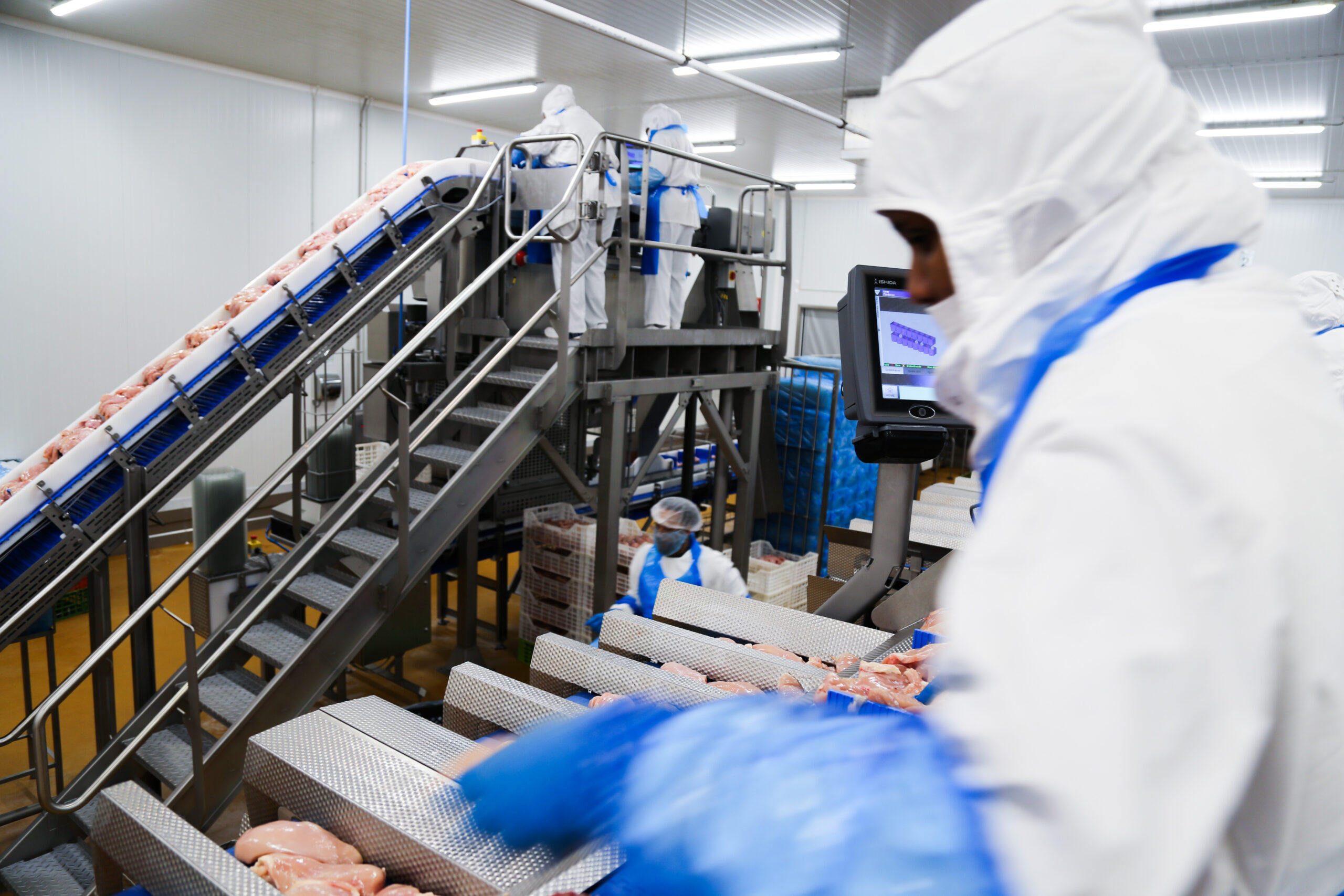
KILOM has automated poultry tray packing across three production lines. The Ishida installation lifts throughput, reduces labour, and tightens pack-weight control while retaining flexibility across fresh poultry formats.
-

GEA is standardising product changeovers through recipe-led digital operator guidance. Changeover Assist links SmartControl instructions, documentation, and cloud-managed knowledge across supported food-processing equipment.
-
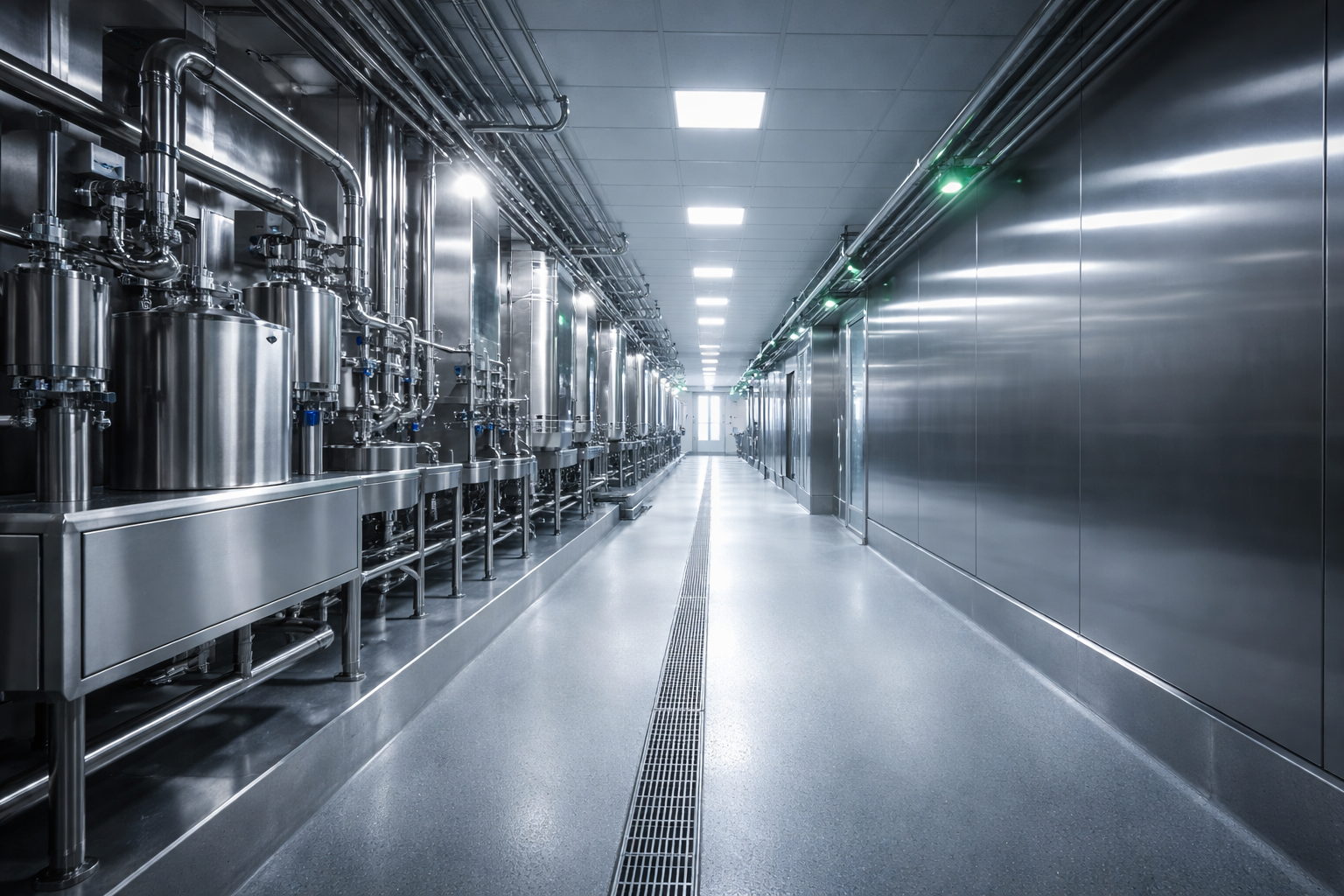
ADM plans a $55.5 million Clinton precision-fermentation facility conversion project. Separation, purification, drying, and packaging equipment will support larger-scale production of proteins, enzymes, and other high-value biobased products at the Iowa complex.
-
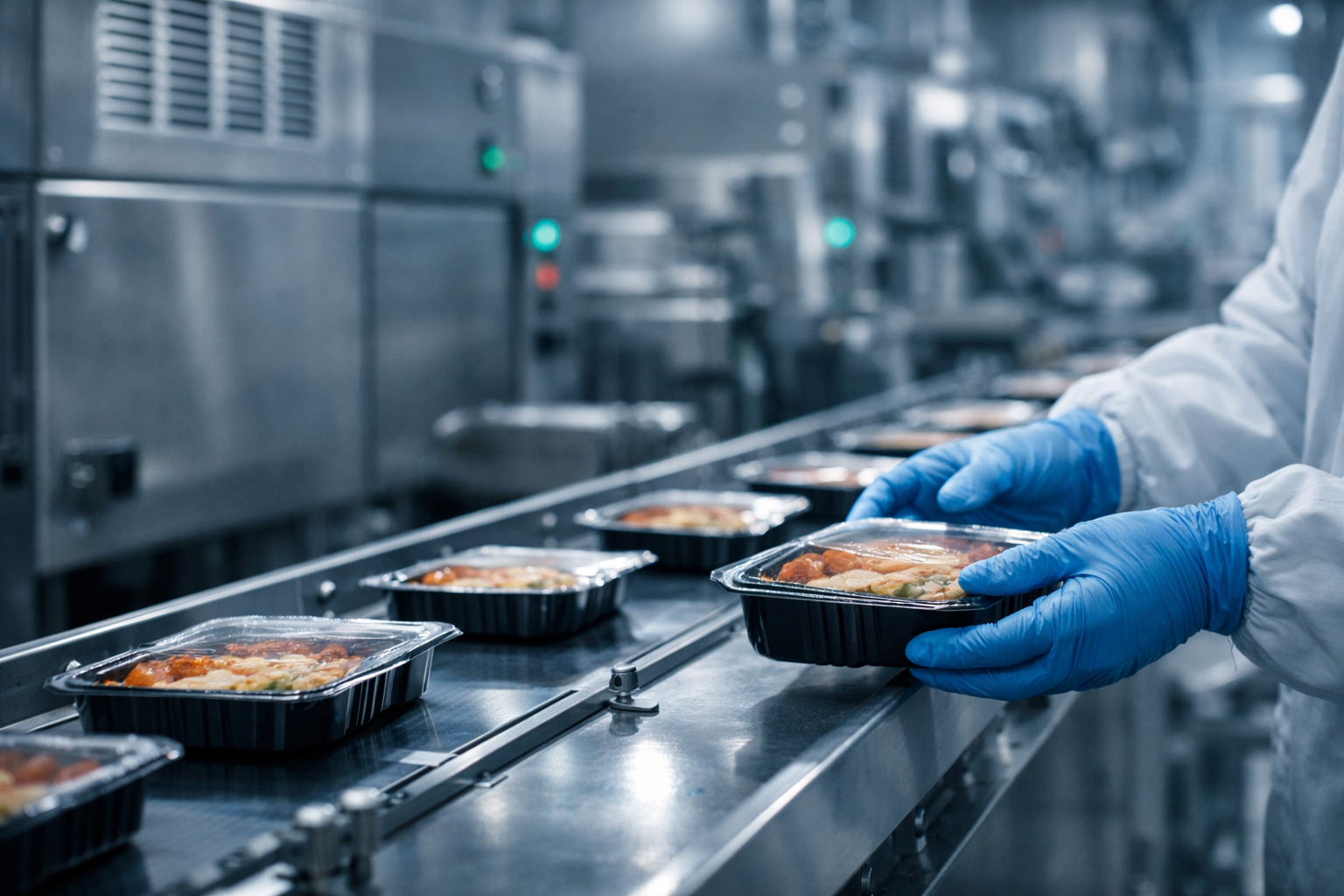
Rowan Glen is investing £1 million-plus in Palnure dairy upgrades. The programme adds new equipment and high-care filling capacity as the Scottish processor expands from yoghurt into cottage cheese and bulk cream.
-
ÄIO and TFTAK secured funding for automated microbial oil development. DigiFoundry 2.0 will integrate strain engineering, process control, automation, and data to lower microbial oil development and manufacturing costs.