
Category: News
-
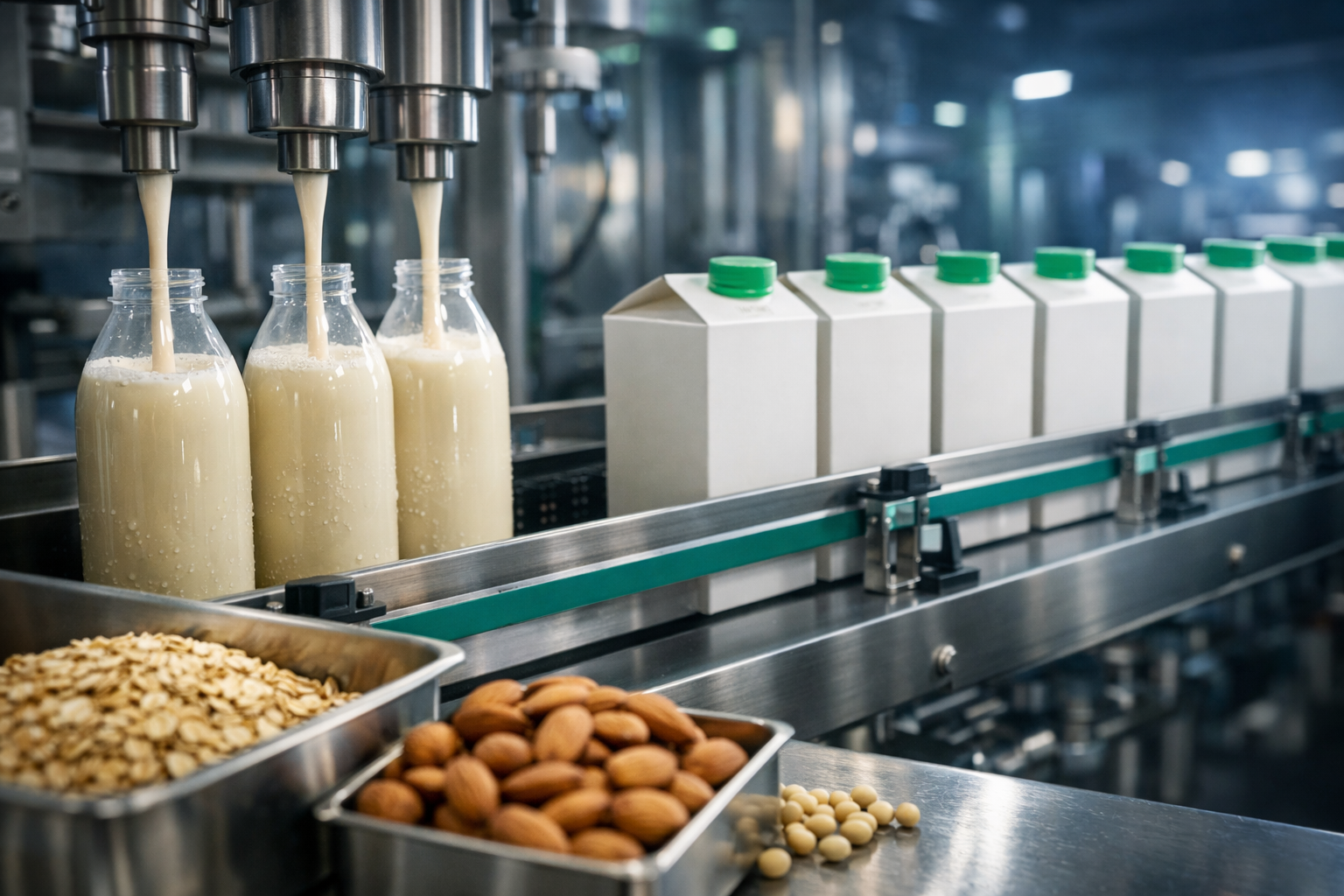
Edible Garden and Square Roots plan functional ready-to-drink beverages together. Their non-binding agreement links controlled-environment crop development with formulation work and a planned Iowa manufacturing platform exceeding 100 million units annually.
-

Fungal fermentation is improving the nutritional performance of pea flour. UMass Amherst researchers found Aspergillus oryzae removed 90.75% of substrate starch while increasing protein yield and reducing antinutritional compounds.
-
Researchers are converting plastic and crop waste into food ingredients. The SIU Carbondale process combines hydrothermal breakdown with engineered yeasts to produce protein-rich biomass and compounds including vanillin and beta-carotene.
-
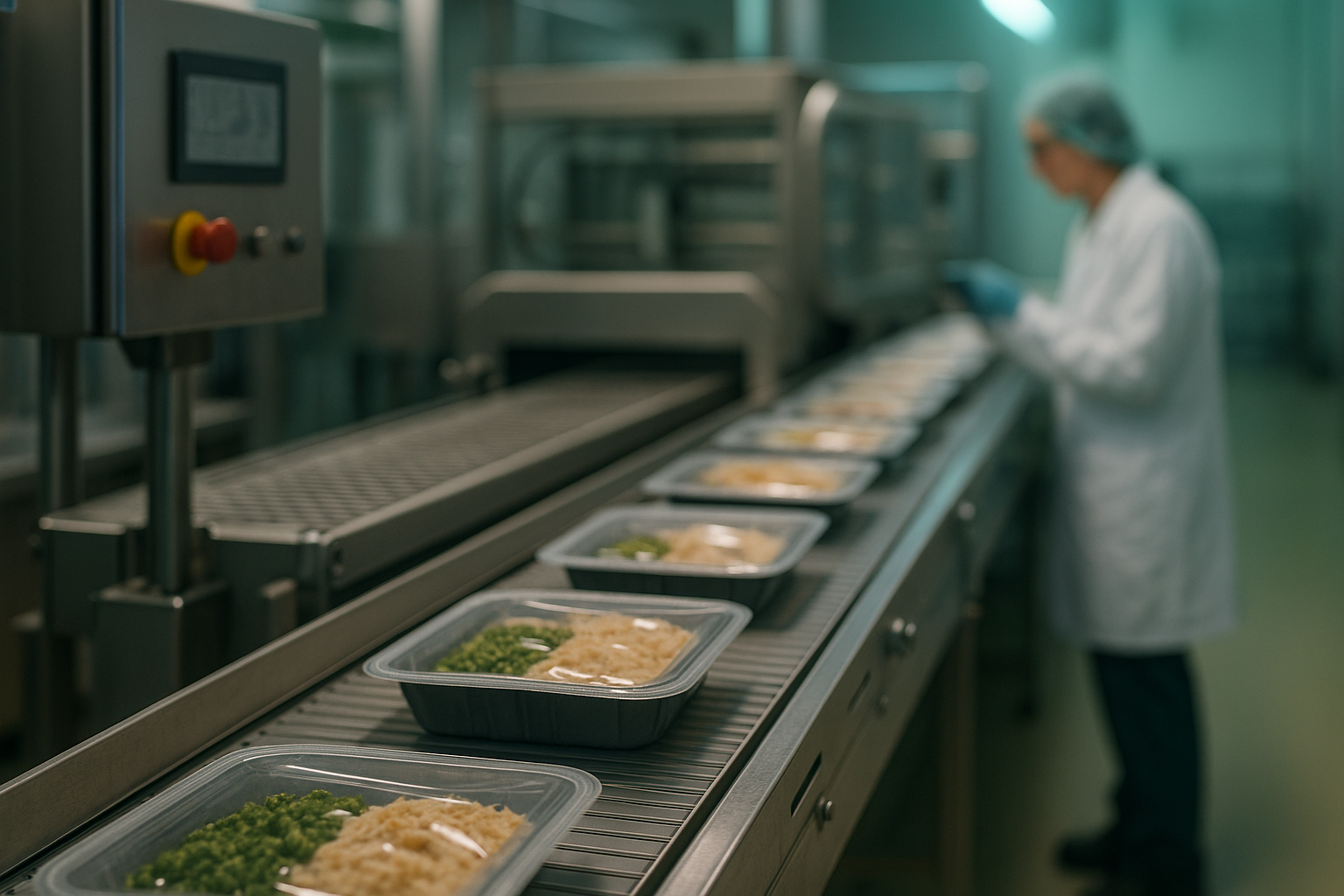
American Packaging has expanded tea-packaging conversion capabilities through new equipment. Electron-beam coating and precision slitting investments target aroma protection, surface performance, tighter roll tolerances, and more consistent operation on high-speed filling lines.
-

India is preparing to extend its micro food-processing support scheme. The proposal covers another five years and could revise subsidy limits after PMFME reached its target of 200,000 sanctioned enterprises.
-

India has launched two locally developed high-expansion popcorn maize hybrids. Krisna459 and Godari234 were bred for processor-grade popping performance and Indian growing conditions after a multi-year development programme.
-
Haldiram has secured approval for a new Odisha manufacturing plant. The ₹500 crore project will produce snacks and baked goods in the Khordha/Cuttack area, with around 800 jobs projected.
-
Indorama Ventures is bringing direct recycled-PET preform production to Thailand. Its partnership with Suntory and Iwatani will deploy Flake-to-Preform technology at commercial scale, with output equivalent to about 400 million bottles annually from 2028.
-

FoodArt UK has been fined after serious warehouse hygiene failures. Enfield Council prosecuted the wholesaler after inspectors found food and drink stored amid cat faeces, urine, and associated contamination risks at its Brimsdown premises.
-
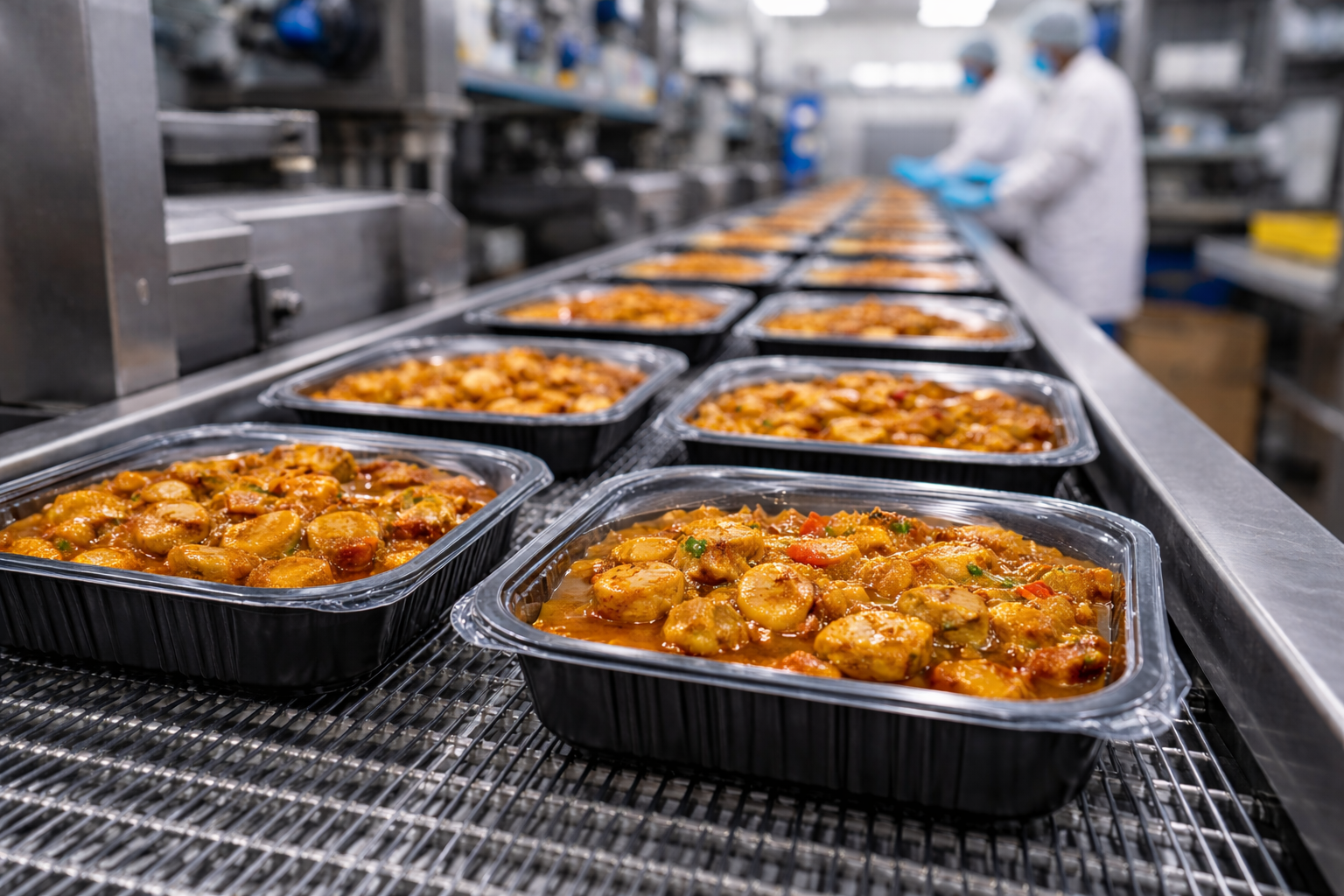
Gazebo Fine Foods has expanded outsourced cold-chain operations with Davidson. The arrangement moves container unloading, tempering, sleeving, and date coding outside its Wembley site as the manufacturer seeks additional capacity and flexibility.